REVIEW · PARIS
Paris: Musée Rodin A Private Tour – an artist’s insight
Book on GetYourGuide →Operated by Paris Museum Guide · Bookable on GetYourGuide
Rodin’s life has teeth, and the museum shows why. This 2-hour private English tour takes you through his home, studio, and the art he admired, with headphones so you can hear every detail without craning your neck. I especially like the way the guide connects sculpture to Rodin’s personality, and how you get more than just famous pieces.
One thing to keep in mind: museum tickets aren’t included, so you’ll pay an extra entry fee when you arrive or online. It’s still good value once you consider the private pace, the art context, and the audio setup.
In This Review
- Quick Highlights
- Musée Rodin in Slow Motion: What Makes This Tour Different
- Where You Start: Meeting at 77 Rue de Varenne
- Rodin’s Home and Studio: Seeing the Work’s Real Atmosphere
- Rodin the Revolutionary: How Sculpture Became More Human
- The Art He Collected: Understanding Rodin Through His Taste
- The Love-Life Thread: Rodin, Rose, and Camille
- Why Rodin Still Matters: From Then to Now
- Practical Value: Is the Price Fair for What You Get?
- Who This Tour Suits Best (and Who Might Want a Different Approach)
- Should You Book This Private Rodin Tour?
- FAQ
- Are museum tickets included in the tour price?
- How long is the private tour?
- What language is the tour in?
- Is this a private group tour?
- Where do we meet for the tour?
- What’s included besides the guide?
- Are cameras allowed?
- Is the museum tour wheelchair accessible?
- Do children get free entry?
Quick Highlights
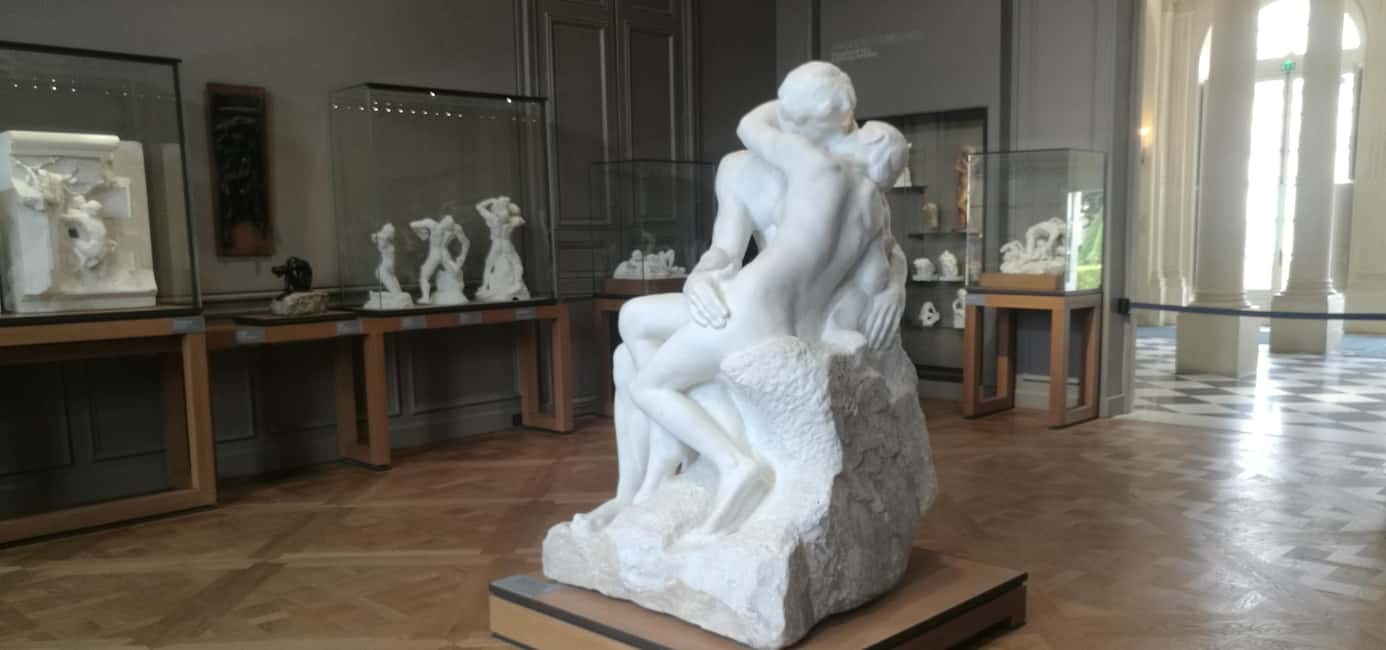
- Rodin’s home and studio: you see the setting behind the work, not just the work behind glass
- Headphones and audio receivers so the explanations stay clear even when you shift rooms
- English tour with an artist’s perspective on form, texture, and why his ideas changed sculpture
- Art Rodin collected gives context for what shaped his taste and methods
- The love-life thread (Rodin, Rose, and Camille) connects real emotion to real technique
Musée Rodin in Slow Motion: What Makes This Tour Different
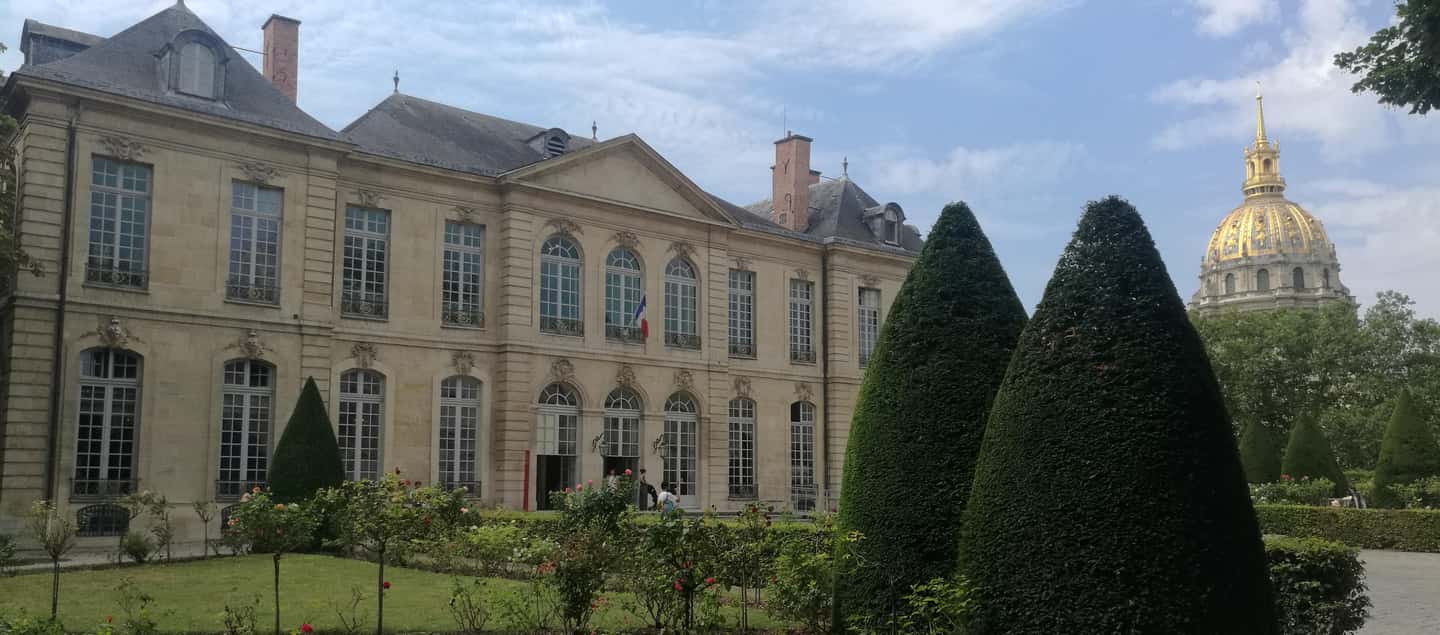
If you’ve ever felt a museum turns into a stamp-collection exercise, this tour is the antidote. The Musée Rodin is one of Paris’s calmer art stops, and this private setup keeps the focus on meaning instead of moving fast. You’ll meet at the entrance gate and then spend about two hours inside, with the guide guiding your eye like an artist would.
I like that the tour doesn’t treat Rodin as a statue you either love or ignore. It treats him like a working mind: creative, persuasive, messy in real life, and still relevant in how we look at bodies and emotion today. And you don’t have to fight for audio. The tour provides headphones and audio receivers, which makes a big difference when you’re standing near other groups or when the guide is a few steps ahead.
The other reason this tour feels worth it is the mix of topics. You’ll look at Rodin’s sculptures, yes. But you’ll also spend time on the art he collected and the way the museum preserves his environment. That combination helps you understand why his work landed when it did, and why it still holds attention now.
You can also read our reviews of more private tours in Paris



Where You Start: Meeting at 77 Rue de Varenne
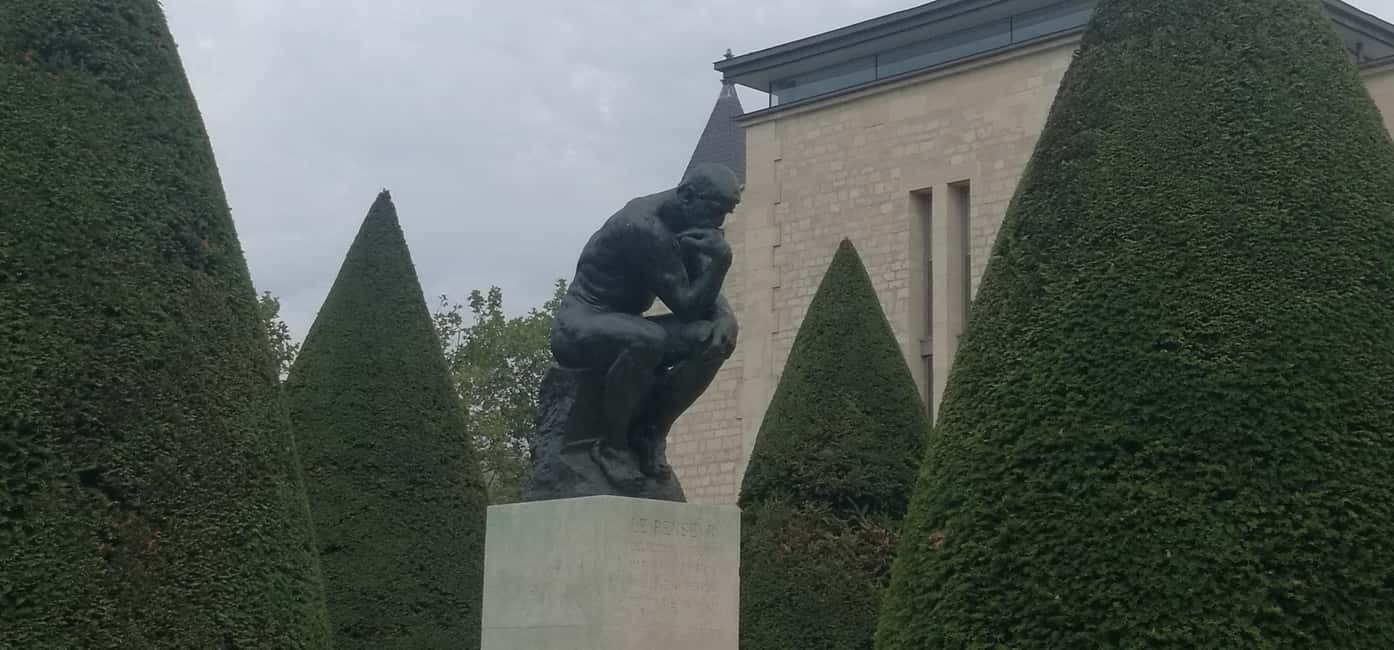
Your rendez-vous is outside the museum at the entrance gate, 77 rue de Varenne, 75007 Paris. Plan to arrive around 10 minutes early so you can find the guide badge and get settled before the tour starts.
This sounds small, but it matters. Rodin’s museum area is not where you want to be late and trying to locate someone while everyone else has already begun. Go early, get your bearings fast, and you’ll enjoy the first minutes instead of rushing them.
Also, bring comfortable shoes. The tour is short at two hours, but you’ll still be walking through multiple areas. And if you plan to photograph, do it thoughtfully. A camera is fine, but no flash photography and no selfie sticks are allowed.
Rodin’s Home and Studio: Seeing the Work’s Real Atmosphere
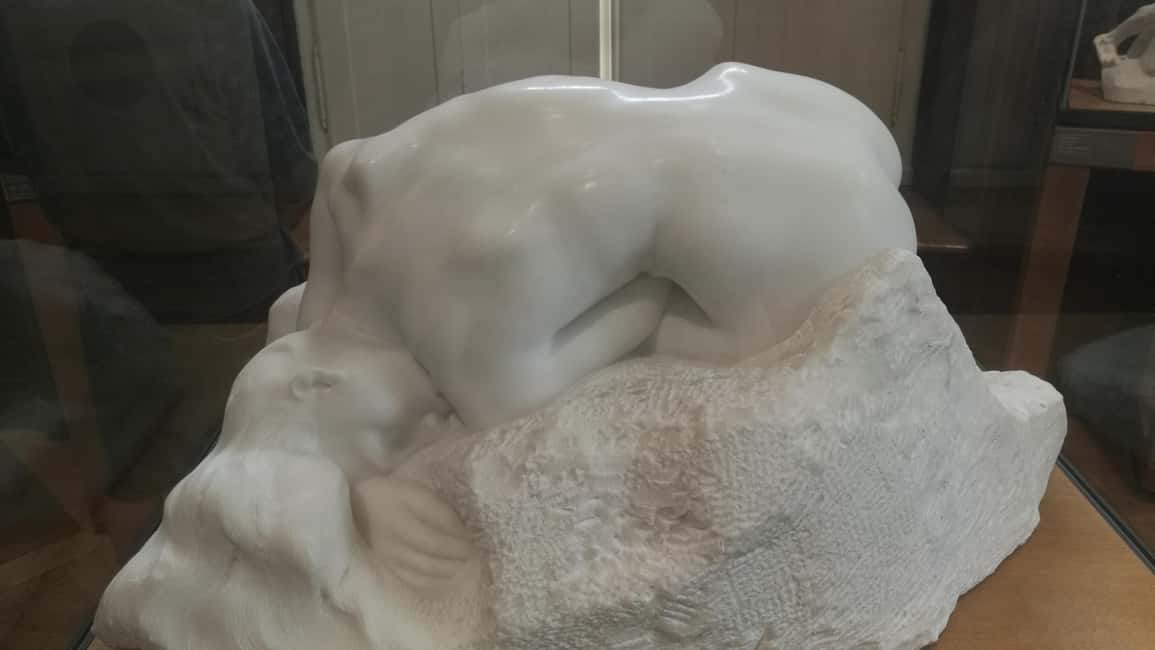
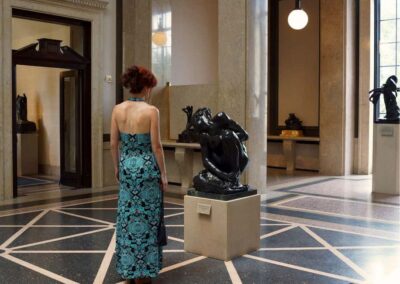
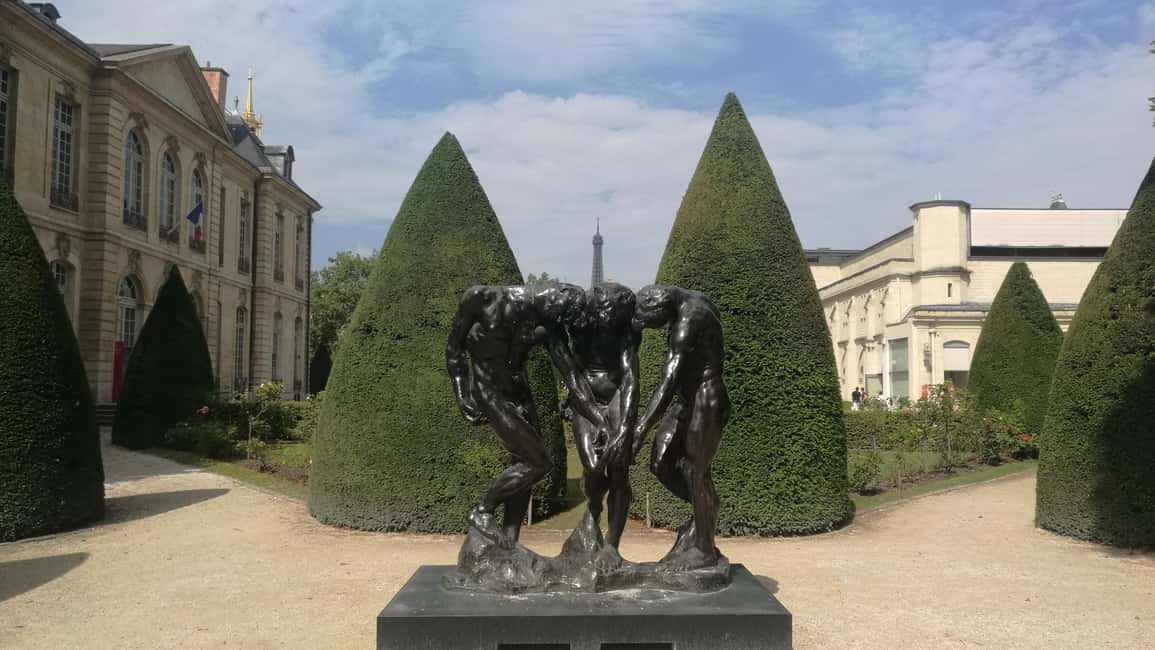
One of the best parts of the Musée Rodin experience is that you’re walking through a place that used to be the artist’s own space. This tour leans into that. You’ll explore Rodin’s home and studio areas, and the guide uses the setting to explain how the work developed.
Here’s why this matters for you: when you see sculpture in a neutral gallery, it can feel like a finished product, like art ended at the moment it was sold. But in Rodin’s home and studio, the story shifts. You start to notice how pieces relate to each other, how surfaces feel like they belong to a working environment, and how the museum preserves the idea of an ongoing process.
Even if you don’t know much about sculpture, the tour makes it readable. The guide focuses on what you can see: how Rodin handled movement, how form carries emotion, and how his working style helped him create an impact that’s still felt today.
And because the tour is private, you can ask practical questions as you go. This isn’t a lecture where you’re stuck waiting until the end. You get that artist-to-visitor conversation vibe, with the guide adjusting to your pace.
Rodin the Revolutionary: How Sculpture Became More Human
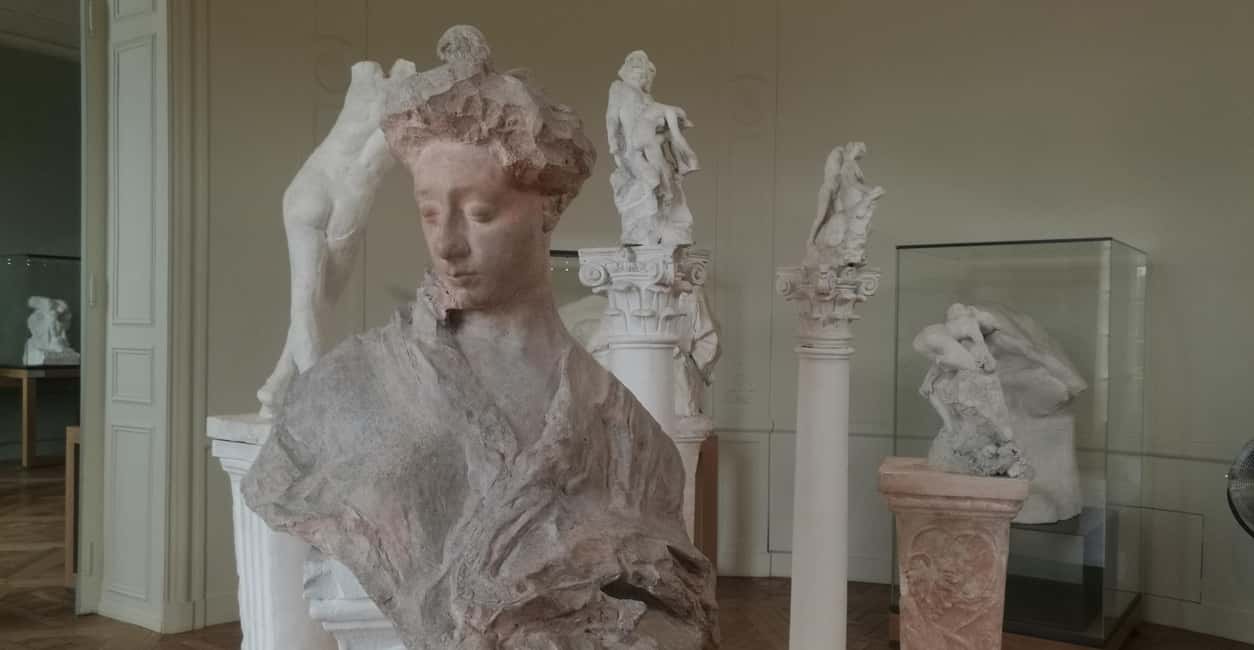
Rodin didn’t just make pretty statues. He created something closer to a new language for sculpture—one you can feel in how the body expresses tension, tenderness, and struggle. The tour explicitly frames him as a sculptural revolutionary, the same way painting was changing around Rodin’s era.
The guide makes the case by pointing out what’s different in Rodin’s approach. Instead of trying to make everything perfectly smooth and decorative, he pushes you to notice the near-human edges: the way a surface can suggest breath, the way a pose can look like it’s mid-thought rather than mid-posed.
If you’ve ever stood in front of a Rodin piece and thought, I can’t tell what I’m supposed to feel, this tour helps. It gives you tools to interpret the emotion without overcomplicating it. You’ll connect the visuals to the idea that Rodin was working on realism, but not the kind that locks people into stillness.
You’ll also get a sense of why his methods still register with modern eyes. The idea of motion in sculpture doesn’t stay stuck in history. It keeps showing up in how we design performances, stage bodies, and even film close-ups. Rodin’s work is relevant because it understands that the human figure is never fully still.
The Art He Collected: Understanding Rodin Through His Taste
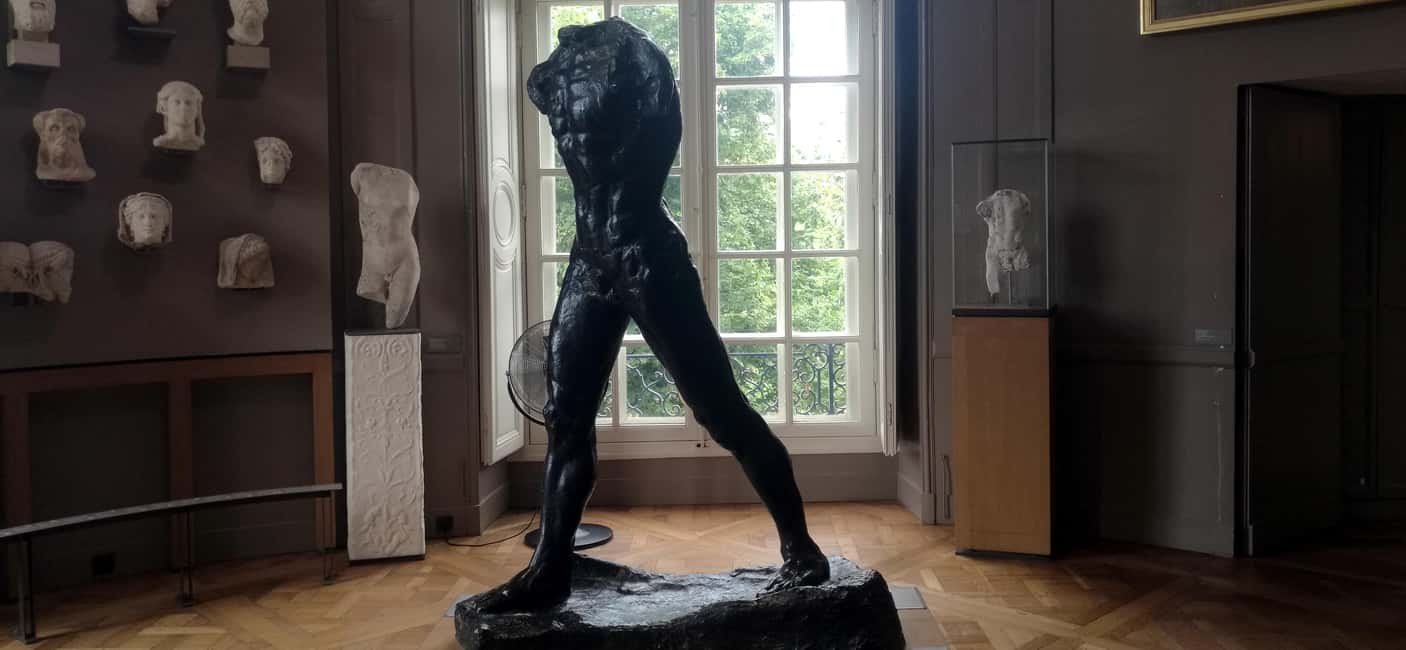
Another strong part of this tour is that it doesn’t isolate Rodin like he’s a lone genius in a vacuum. You’ll explore the art collected by Rodin—what he admired and what he chose to live with, at least in the museum sense.
This is valuable because it gives you a map. When you understand what an artist collected, you learn what they were listening to. You also get clues about how ideas travel. Art isn’t created in isolation; it’s shaped through looking, copying in a new way, studying, and choosing what to keep close.
So, as you move through the collection, keep an eye on how the selected works support the guide’s larger argument. The point isn’t that Rodin copied other artists. The point is that he worked in conversation with the art world around him, even when his own style pushed toward something new.
This is also where you can get more enjoyment if you’re not a hardcore sculpture specialist. You can think of it like seeing a playlist. Even if you don’t know every track, you understand the taste of the curator. In this case, Rodin is the curator of his own world.



The Love-Life Thread: Rodin, Rose, and Camille
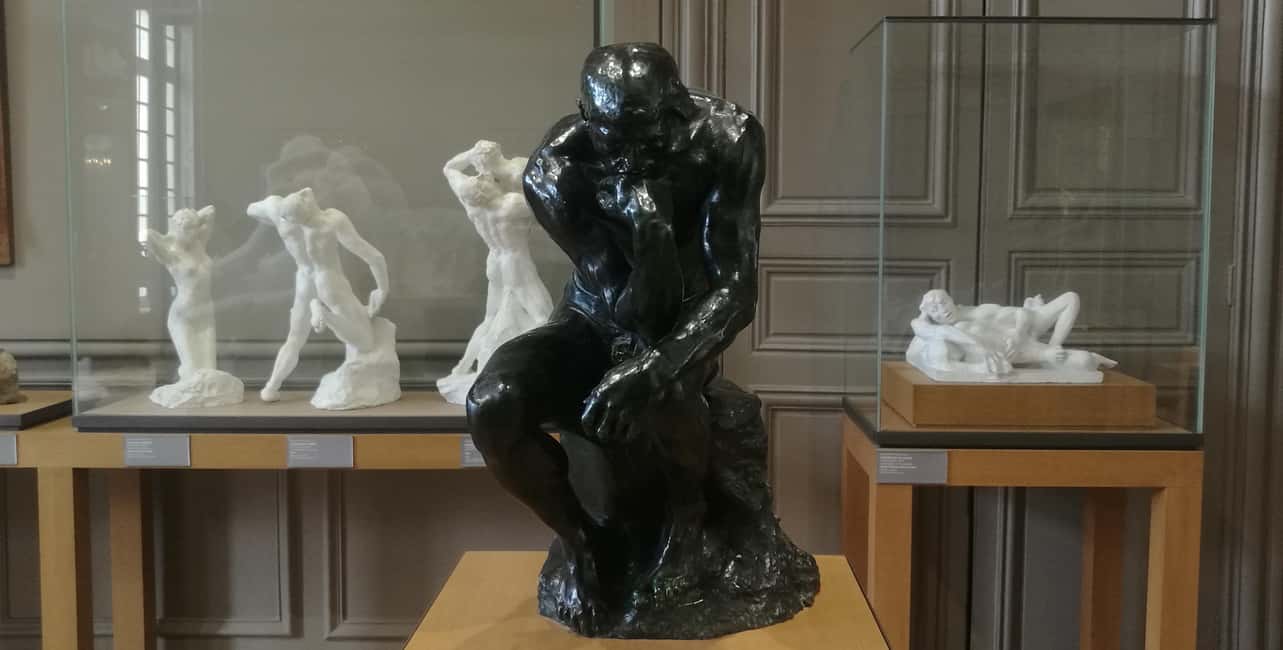
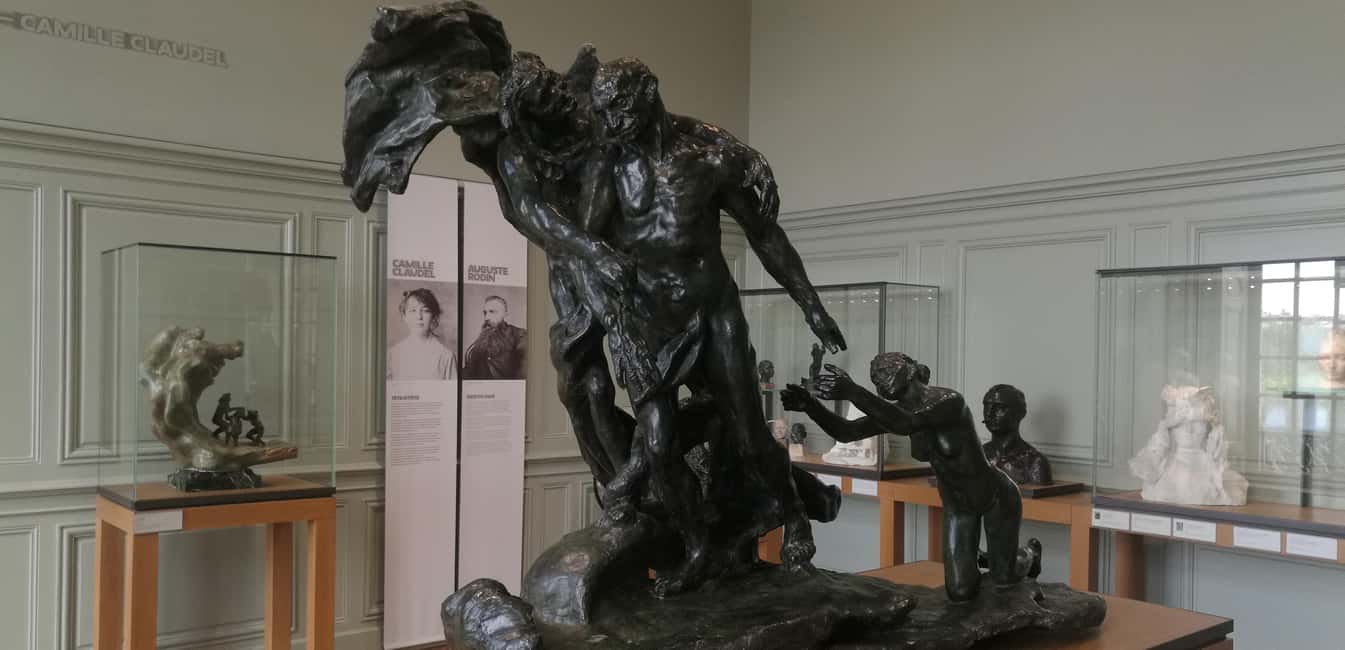
This tour doesn’t avoid Rodin’s complicated personal life. It explores how his work connects to his passion and his messy relationships, including the story often described as a ménage à trois involving Rodin, Rose, and Camille.
You should treat this part as interpretive. The guide is using the relationship thread to help you read the emotion in the art. You won’t be turning the museum into a tabloid. Instead, you’ll see how personal intensity can show up as creative intensity—especially when an artist is constantly returning to themes of attachment, desire, and vulnerability.
For me, this kind of framing makes sculpture feel less distant. When you learn that the artist’s life was tangled, the art doesn’t magically become a diary. But it does become easier to sense as lived experience rather than a purely formal exercise.
And since the tour is in English with audio support, you can follow the nuance. This matters, because the relationships and the artistic interpretations are likely to be the most concept-heavy moments of your two hours.
Why Rodin Still Matters: From Then to Now
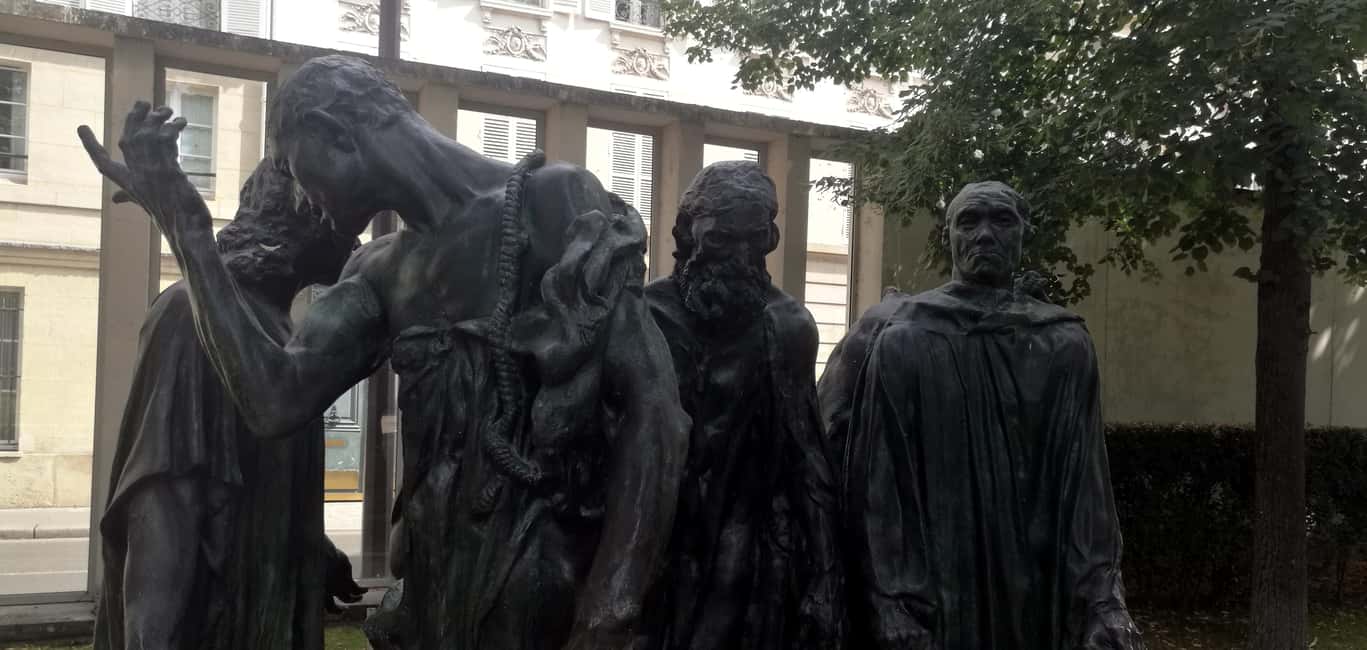
By the end, the tour ties everything back to relevance. You’ll hear why Rodin’s art still speaks to us today, not just as a museum relic but as an artwork that fits modern ways of looking.
The relevance comes in a few different ways:
- You’re looking at bodies that feel alive, not frozen
- You’re seeing surfaces and forms that communicate emotional weather
- You’re understanding that an artist can change a medium without abandoning humanity
This is also where headphones help. When the guide makes a point about a piece and its meaning today, you want to hear it clearly and absorb it while you’re still standing in front of the sculpture. The audio setup keeps you locked into that moment instead of trying to hear over background noise.
If you love art that makes you question your first reaction, Rodin is ideal. If you prefer art that stays purely formal, Rodin can still work because his technique is never just decoration. His choices have consequences for how you read a figure.
Practical Value: Is the Price Fair for What You Get?
At $141 per person for a two-hour private English tour, you’re paying for more than someone walking you through rooms. You’re paying for a guided explanation built around an artist’s insight, plus audio equipment, plus a slower pace that doesn’t rely on you being the fastest walker in the group.
Then add the practical reality: museum tickets are not included. Tickets can be obtained online or at the entrance hallway for 15€. Children under 18 get in free with ID, EU students under 25 also get free entry, and the Paris Museum Pass is valid for this museum.
So the true cost depends on your ticket situation. For most adults, it’s roughly $141 plus the entry fee on top. Even then, you may still find this worthwhile if you:
- want a more personal pace than a standard group tour
- care about context, not just photo stops
- appreciate hearing art interpretation in English with clear audio
The tour also includes direct contact with the guide on WhatsApp or text, which is useful if timing shifts or you need quick confirmation. That small option reduces stress, especially in Paris where plans sometimes collide with real life.
Who This Tour Suits Best (and Who Might Want a Different Approach)
This experience fits best if you want art with human stakes. You’ll probably enjoy it most if you like sculpture but want someone to help you read it, or if you’re curious about how life shapes art without needing a technical degree.
You should especially consider this tour if:
- you want a private group experience
- you like museum visits where the guide explains what you’re seeing, not just where to stand
- you prefer a museum that tends to feel calmer than some of Paris’s big-name crowd machines
- you’re planning to spend a short time at Rodin and want maximum meaning per minute
One note for pacing. It’s two hours, so it’s not a full museum marathon. You’ll see a focused slice rather than everything. If you want to wander at your own speed for a long time, you might combine this with some self-guided time after.
Should You Book This Private Rodin Tour?
Yes, I’d book it if you want a better Rodin experience than the usual quick pass through the galleries. The tour’s strongest advantages are the artist’s insight, the audio setup, and the way it connects art to collected influences and to Rodin’s complicated love life.
Book it now if your priority is understanding. You’ll leave with clearer ideas about why Rodin changed sculpture, why his work still matters, and how the museum context shapes what you see. The only real reason to pause is the extra ticket cost at entry. If you’re okay with that, this is a smart way to spend two hours in Paris.
FAQ
Are museum tickets included in the tour price?
No. Museum tickets are not included. You can get them online at rodin.fr or purchase them at the entrance hallway for 15€. The Paris Museum Pass is also valid for entry.
How long is the private tour?
The tour lasts about 2 hours.
What language is the tour in?
The tour is in English.
Is this a private group tour?
Yes, it’s a private group.
Where do we meet for the tour?
You meet at the entrance gate outside the museum at 77 rue de Varenne, 75007 Paris, about 10 minutes before the scheduled start time.
What’s included besides the guide?
You get a two-hour guided tour, headphones and audio receivers, exploration of Rodin’s home and studio, and time to see art Rodin collected and learn why his art is still relevant today.
Are cameras allowed?
Yes, you can bring a camera. Flash photography is not allowed, and selfie sticks are not allowed.
Is the museum tour wheelchair accessible?
Yes, the tour is listed as wheelchair accessible.
Do children get free entry?
All children under 18 get in free with ID. EU students under 25 also get free entry.