REVIEW · PARIS
Paris: French Revolution Tour Relive the 14th July 1789
Book on GetYourGuide →Operated by ParisVu · Bookable on GetYourGuide
July 14, 1789 gets real fast in Paris. This ParisVu tour uses small streets and lively storytelling from Robin to walk you hour by hour through what led to the storming of the Bastille and the political fallout that followed. I love how it keeps you in the neighborhoods where ordinary people lived, not just at monuments. I also love that you’re not treated like a passive spectator; the format encourages questions and back-and-forth.
You start near Pl. du Dr Antoine Béclère and end at Place de la Bastille, with stops that connect big events to specific corners, passages, and local landmarks. The route spends meaningful time in the Faubourg Saint Antoine area and threads in details like La Folie Titon and the passage de Lhomme, which helps you understand why July 14 wasn’t random—it was built from daily life, pressure, and anger.
One possible drawback: the story is focused on 14th July 1789 and what followed up through 1789. If you’re hoping for a longer sweep through later revolution eras or Napoleon’s rise in the same walk, you’ll likely want to pair this with another tour.
In This Review
- Key things to know before you go
- Where the story starts: 11e energy and the lead-up to July 14
- Meeting point and getting oriented in the first 15 minutes
- Le Faubourg Saint Antoine: why the neighborhood matters
- La Folie Titon: history in plain sight
- Le passage de Lhomme: the power of street-level specifics
- A viewpoint and photo stop: take a breath and stitch it together
- The long walk to Place de la Bastille
- Time, pace, and what “90 minutes” really buys you
- Who this tour is best for
- The one pairing thought: if you want beyond 1789
- Should you book this ParisVu French Revolution walking tour?
- FAQ
- Where does the tour start and where does it end?
- What is the meeting point?
- How long is the tour?
- Is the tour offered in multiple languages?
- How big are the groups?
- Is it free to cancel?
Key things to know before you go
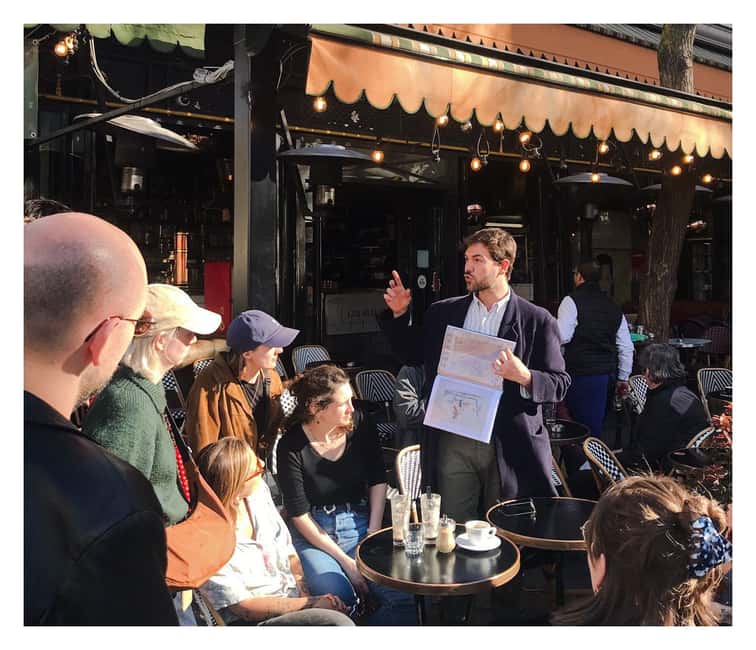
- Robin’s storytelling style makes the French Revolution feel human, not like a textbook.
- Small group size keeps the pace interactive, so you can ask questions as you walk.
- Route through Le Faubourg Saint Antoine connects social conditions to political action.
- Stops like La Folie Titon and passage de Lhomme help you spot how the city itself carried the story.
- You finish at Place de la Bastille, so you end with the big symbolic payoff.
- 90 minutes is tight, so it works best when you want a focused orientation to July 1789.
Where the story starts: 11e energy and the lead-up to July 14
If your France trip includes the usual postcard stops, good for you. But the French Revolution makes more sense when you also see how people actually lived in the run-up to July 14, 1789. This tour is built around that idea: the “day of” matters, but the reasons for it live in the neighborhoods.
You’re meeting in the area between Café les Blouses Blanches and Mon Café, then starting the walk from Pl. du Dr Antoine Béclère. From there, you move through parts of Paris that many visitors skate past on the way to bigger landmarks. That’s the main advantage: the guide ties the turning points of the Revolution to places you’d never notice on your own.
I also like that the tour doesn’t try to impress you with a million stops. Instead, it picks a handful of meaningful locations and explains how they connect to 18th-century life—work, scarcity, social tension, and why the crowd’s momentum could suddenly become unstoppable.
You can also read our reviews of more tours and experiences in Paris.


Meeting point and getting oriented in the first 15 minutes
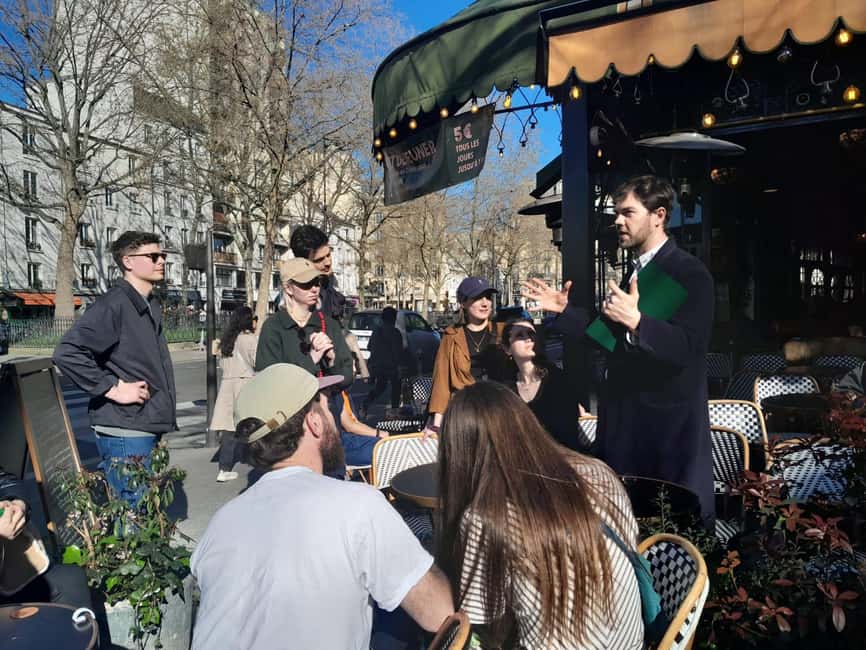
The first chunk of the walk is basically orientation. Your guide sets the scene for the day and helps you build a simple timeline so you don’t get lost when the conversation gets detailed. If you’ve visited other sites in Paris already, this is the moment where everything starts to “click,” because you’ll understand how the streets relate to the political story.
A practical tip: arrive a few minutes early. The tour begins right at the meeting area near the cafés listed, and once you’re moving, you’ll want your brain fully on—this is storytelling with direction, not a casual stroll where you can zone out.
Also, if you like to understand the “why,” pay attention early on. Several guides can summarize events; fewer can show the everyday pressures that make a crowd decide to act. Robin’s approach (fun, clear, and frequently question-friendly) is built for that.
Le Faubourg Saint Antoine: why the neighborhood matters
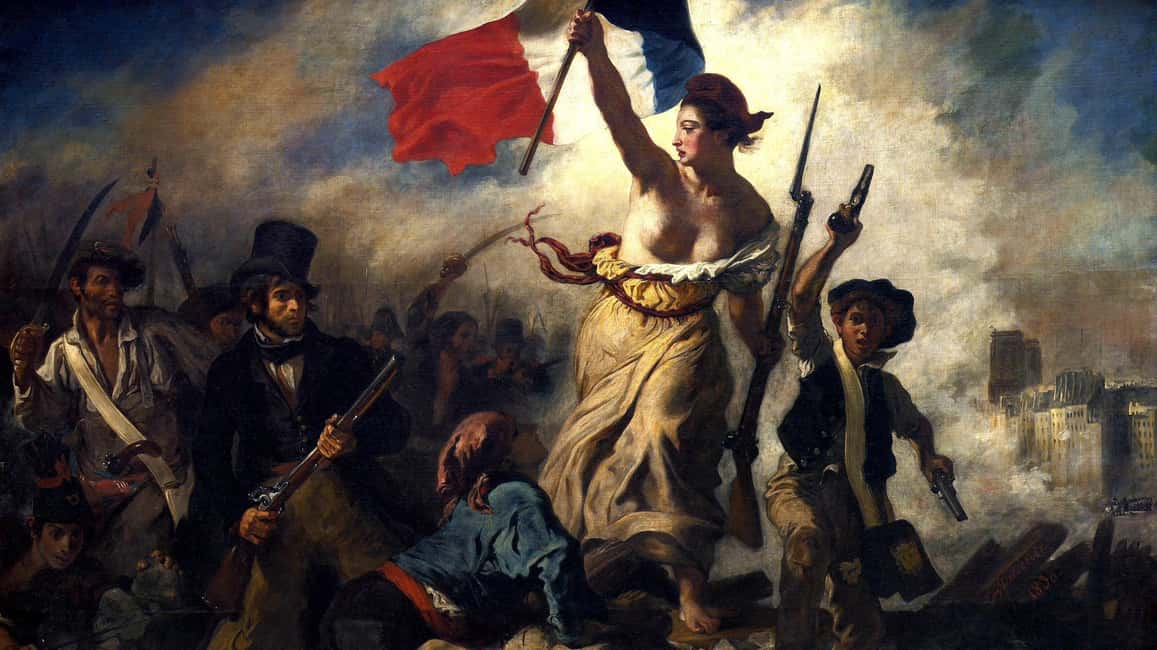
One of the highlights of the route is time in Le Faubourg Saint Antoine. This is one of those Paris districts that feels like it still has a working-class pulse. On the tour, it’s more than atmosphere. It becomes a map of causes.
Here’s what you’ll likely pick up as you walk: this area isn’t presented as scenery. It’s treated like an engine. Your guide connects social conditions to political anger—how people’s daily struggles and grievances set the stage for explosive action once the moment arrived.
You’ll also get a better sense of why people attacked symbols of power like the Bastille. The goal isn’t to turn it into a morality play. It’s to show how the Revolution grew from real people reacting to real pressures.
What I love about this part is how it changes the way you look at buildings. Reviews mention that the guide points out small details that you would normally walk by. That habit matters, because once you learn what to notice—street layout, building patterns, and the logic of movement—you start seeing “history” as something stored in the city.
La Folie Titon: history in plain sight
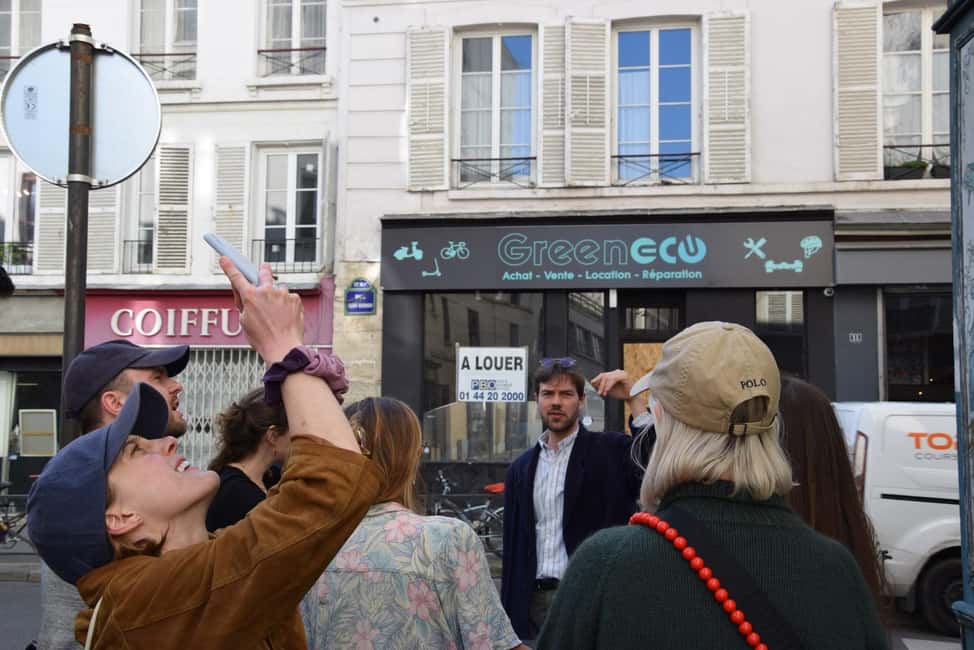
Another stop that stands out on the tour is La Folie Titon. The name sounds like a curiosity, and that’s part of the point. It’s a reminder that the Revolution wasn’t born only from grand palaces and dramatic assemblies. The city’s smaller, lesser-known corners also carry stories.
During your visit and walk, you’ll get context that helps you understand why sites like this weren’t just background. They fit into the social fabric of Paris—how different people lived, how spaces were used, and how those patterns connect to what happened later in 1789.
Even if you’re not a “history facts” person, this section tends to work well because it’s visual. You’ll get explanation tied to what you’re seeing around you, and your guide will help you interpret it. That’s a big deal for anyone who wants the Revolution to feel real instead of vague.
Le passage de Lhomme: the power of street-level specifics
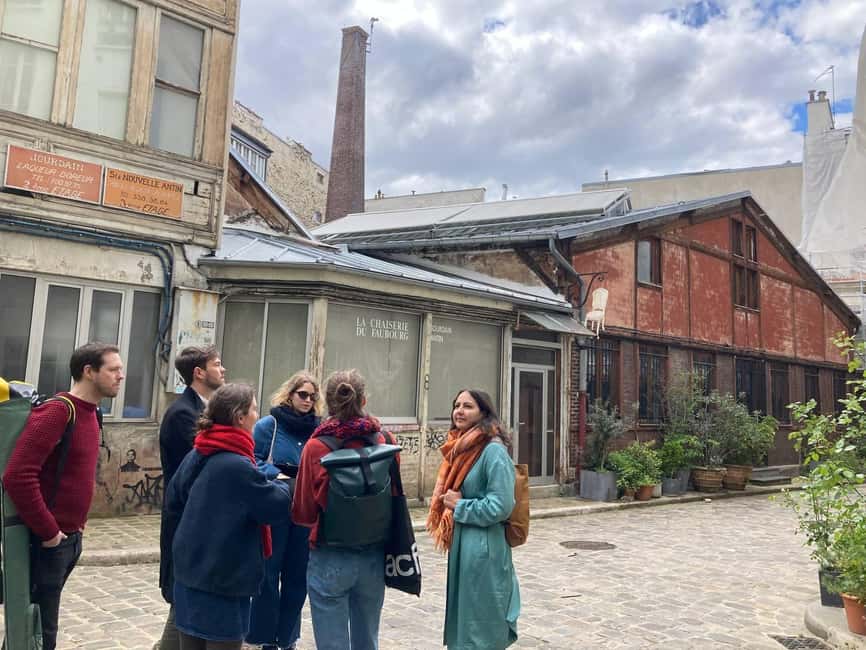
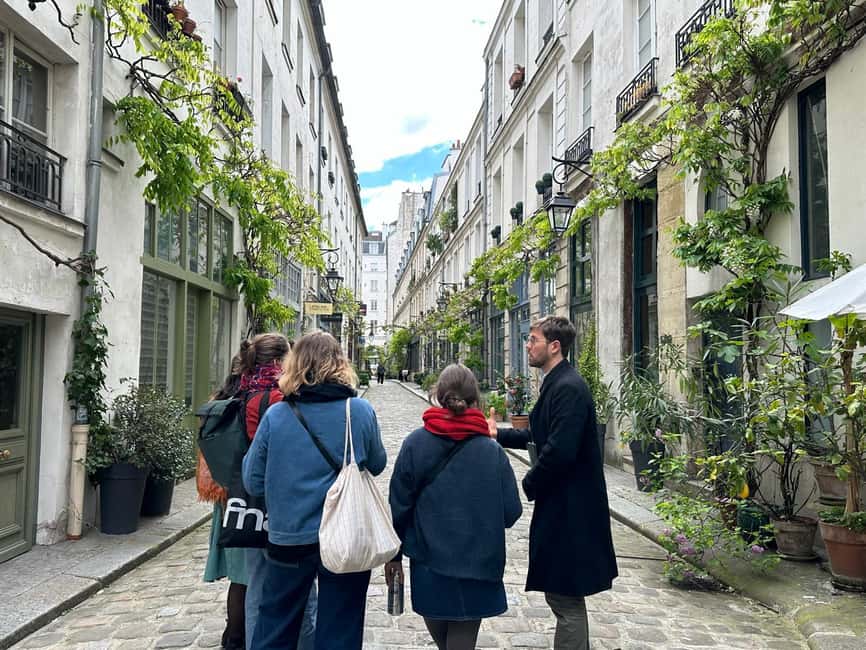
The tour also includes time connected to the passage de Lhomme. Passages in Paris are small, semi-secret links—like shortcuts between bigger streets. On a normal day, you might not give them a second thought. On this tour, they become part of the story of movement and crowd energy.
Why does that matter? Because revolutions aren’t just about ideas. They’re about people moving through spaces, gathering, and pushing forward faster than authorities can respond. When your guide ties a physical passage to the bigger narrative, you start to understand how quickly things could escalate.
I like how Robin’s storytelling style connects the political to the practical. Instead of only saying what happened, the guide helps you picture how the city’s layout and everyday routes shape what people can do when they decide to act.

A viewpoint and photo stop: take a breath and stitch it together
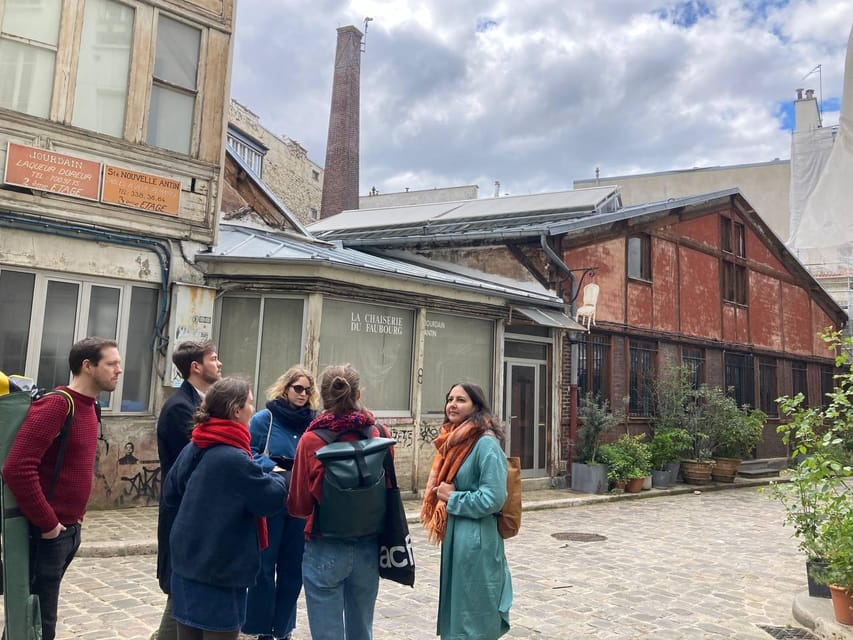
At one point you’ll pause at a viewpoint/photo stop. This isn’t just for photos. It’s there so your brain can stitch the timeline together. Up to that point, you’ve been walking street by street. The pause helps you step back and understand where you are relative to the key sites in the narrative.
If you enjoy mapping history onto real geography, this is a good moment to do it. Look around, then connect what you learned to what you’re seeing. It’s also the time to ask questions if anything is still fuzzy.
A small practical note: bring your camera/phone battery plan. It’s a 90-minute tour, so you’ll want to capture the main moments without rushing every step.
The long walk to Place de la Bastille
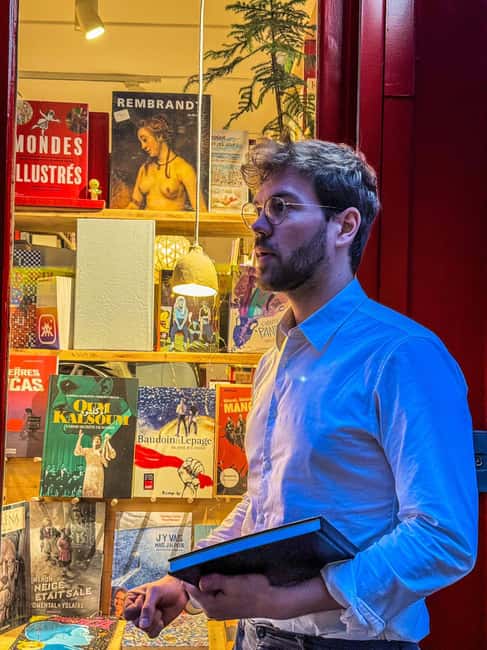
By the time you reach the end, you’re heading for Place de la Bastille. Finishing here is smart because it gives you a clear “anchor” symbolically. You’ve spent the previous part of the walk in residential streets and smaller sites; now you’re closing at the famous destination tied to July 14.
But the tour doesn’t treat Place de la Bastille like a random monument. It’s used as a payoff for everything you just learned about the lead-up. You should leave with a stronger sense of what the day meant, not just that it happened.
This is also where you benefit from the guide’s storytelling. Reviews highlight how Robin explains social conditions and answers questions rather than reciting a script. That matters most near the finish, because it’s where your understanding becomes a coherent story you can carry into the rest of your sightseeing.
Time, pace, and what “90 minutes” really buys you
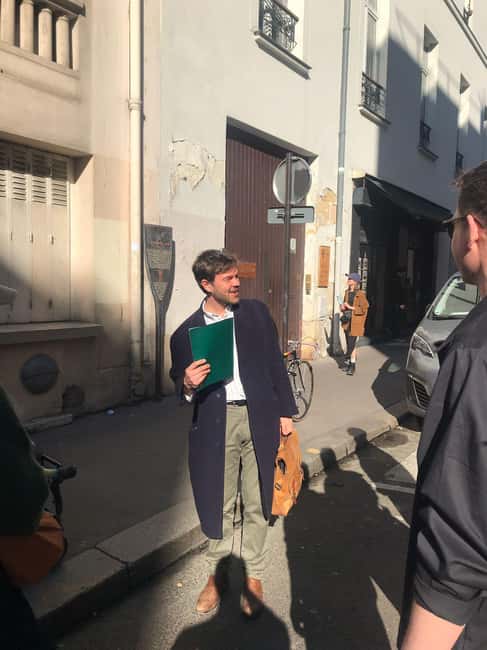
A 90-minute walking tour is short enough that you won’t feel dragged down by details. But it’s long enough for real explanation. That’s the balance here.
Price is listed at $37 per person, and the tour includes no additional fees. In value terms, you’re paying for a guided narrative plus time in places you’d likely miss without help—especially the neighborhood-level sites like La Folie Titon and passage de Lhomme, plus the structured walk that takes you from start to Place de la Bastille.
Also, group size stays small—maximum around 12 participants, and the tour is described as limited to 10 in some places to keep it interactive. That small size is not a luxury detail. It affects how often you can ask questions and how easily the guide can tailor explanations.
Who this tour is best for
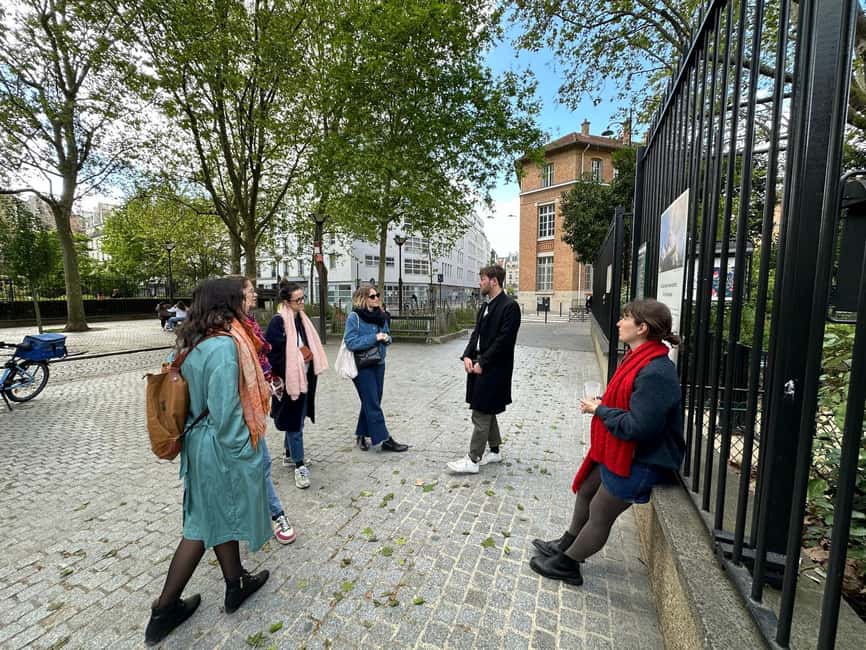
This is a great pick if you want the French Revolution to connect to everyday life in Paris. It’s especially well suited for:
- history lovers who enjoy context, not just dates
- people who have seen the major monuments and want the “how did we get here” part
- first-timers to Paris who want one practical, guided orientation to the Revolution’s street-level geography
- anyone who prefers walking tours with back-and-forth conversation
It may be less satisfying if you only want a quick hit of famous moments with minimal neighborhood context. This is a walk built around places and explanations, not a rapid museum-style summary.
The one pairing thought: if you want beyond 1789
A recurring theme from feedback is that the tour focuses on the events around July 14 and the Revolution through 1789. If your ideal plan includes the next phases—later revolution turmoil and the wider arc of French politics after that—then consider pairing this with a separate tour that covers the post-1789 period.
The good news: starting with this one still helps. When you understand the lead-up and the mechanics of the day itself, later events feel less like separate chapters and more like consequences.
Should you book this ParisVu French Revolution walking tour?
Book it if you want July 14, 1789 to feel grounded in the streets where ordinary people lived and moved. The small-group format, the guide’s storytelling energy (Robin is repeatedly singled out for humor and clear explanations), and the focus on the 11e/Le Faubourg Saint Antoine area make it a strong use of 90 minutes.
Skip it only if you’re mainly chasing a monument-hopping checklist or you specifically want a longer story that continues past 1789 in the same session. For the right goal—getting a coherent, human-scale understanding of the Revolution’s big day—this one is an easy yes.
FAQ
Where does the tour start and where does it end?
The tour starts at 1 Pl. du Dr Antoine Béclère and ends at 28 Pl. de la Bastille.
What is the meeting point?
You meet between Café les Blouses Blanches and Mon Café.
How long is the tour?
The tour lasts about 90 minutes.
Is the tour offered in multiple languages?
Yes. The live guide is available in English, French, and German.
How big are the groups?
The group is kept small, with limits around 10 participants and maximum group sizes described up to about 12–15 to keep it interactive.
Is it free to cancel?
Free cancellation is offered up to 24 hours in advance for a full refund.