REVIEW · PARIS
Paris: Louvre Masterpieces Tour with Pre-Reserved Tickets
Book on GetYourGuide →Operated by Walks In Europe · Bookable on GetYourGuide
Queue lines at the Louvre can feel endless. This tour is interesting because it’s built around pre-reserved priority entry plus an expert guide who keeps you moving through the museum’s essentials. I also like the small six-guest size, which makes it feel more like a close conversation than a cattle-call sprint. One consideration: the Louvre’s security and timed ticket rules are strict, so being late can spoil your entry window.
After the easy start at Café Le Nemours, you’ll get an efficient route through the museum’s big-ticket masterpieces. The guide focuses on major works across major periods, so you get context fast and then can decide what to linger on later. The drawback to keep in mind is that your timed ticket window is short, and tickets are single-use, so you don’t want to wander off at the wrong moment.
In This Review
- Key highlights to watch for
- Café Le Nemours to the Louvre Pyramid: starting fast, not stressed
- Priority entry: why this matters more than extra talking
- The 2-hour Louvre route: what you’ll see and how the guide keeps it sane
- Italian Renaissance power moves: Wedding Feast at Cana and Michelangelo’s Slaves
- French Romanticism in the Louvre: drama that hits even on a schedule
- Neoclassical sculpture and the Salon Carré: statues you’ll actually remember
- After your tour: use the leftover time wisely
- Price and value: is $152 per person a fair deal?
- Who should book this Louvre Masterpieces Tour
- Should you book? My straight call
- FAQ
- Where do we meet for the Louvre tour?
- What’s the nearest metro station to the meeting point?
- How long is the tour?
- Does the tour include pre-reserved tickets and priority entry?
- What group size is it?
- What languages are the guides?
- What do I need to bring?
- Are there rules about bags and what I can bring inside?
- Are the tickets timed?
- Can I stay in the Louvre after the tour ends?
Key highlights to watch for
- Six guests max for a more personalized pace and better questions
- Priority entry with separate entrance to skip the worst of the queue
- Licensed Louvre guide leading a focused route across key departments
- Big icons on one route including Mona Lisa, Venus de Milo, and Winged Victory
- 2-hour guided tour + free time afterward to explore at your own pace
- Passport/ID needed and strict rules on bags and umbrellas
Café Le Nemours to the Louvre Pyramid: starting fast, not stressed
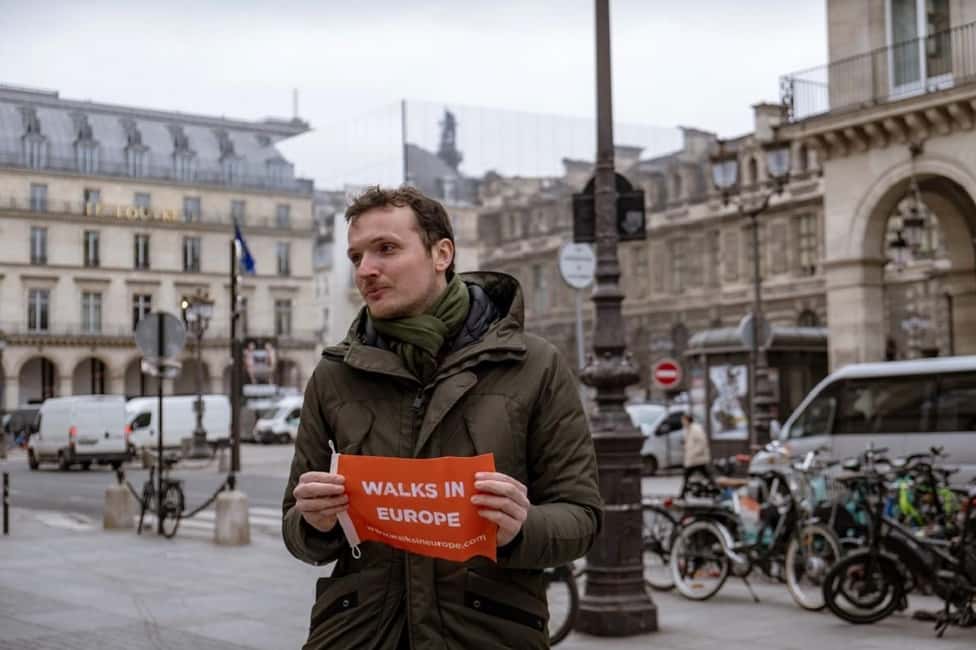
Meeting at Café Le Nemours is a smart move. It’s easy to spot, and your guide shows up holding a sign for Walks In Europe. The nearest metro station is Palais Royal (take exit 5, Place Colette), then turn around as you come out—Café le Nemours is right there. In a city where “meet in front of the big landmark” can become a scavenger hunt, this kind of clear start matters.
From the meeting point, you’ll pass the Louvre Pyramid area before heading into the museum. That quick visual cue helps you mentally switch on: you’re about to enter a building that feels like a whole city. And with only six people in the group, you don’t spend the first 20 minutes herding everyone toward the right wing and the right staircase.
The first practical tip: Paris traffic and crowds are real. If you arrive late, you can’t join after the tour has started. So I’d treat this like a “catch the train” situation, not a “see you when you see you” situation.
You can also read our reviews of more tours and experiences in Paris



Priority entry: why this matters more than extra talking
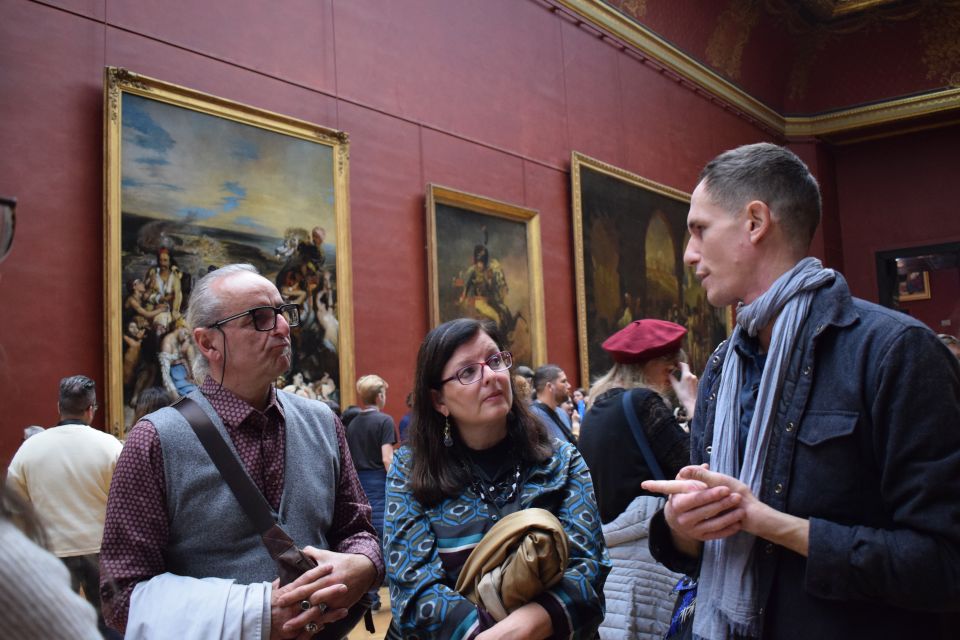
The big value here is the pre-reserved priority entry. The tour’s tickets are already lined up so you can use a separate entrance and move in faster than people depending on the general lines. That time gain is the difference between seeing highlights and spending your day standing in a queue.
But don’t ignore the fine print. Tickets are timed and expire within 5 to 10 minutes, and they’re only used once. That means you need to be at the entrance during your window and commit to the flow. Also, you won’t be able to get back in if you leave one of the museum wings, since re-entry isn’t supported once you’re out of the route.
There’s also security. Every visitor has to go through screening, and the line can be long in high season. Priority entry helps, but it doesn’t erase the fact that you’re entering one of the world’s biggest museums. If you want the Louvre day to feel calm instead of chaotic, this setup is worth it.
The 2-hour Louvre route: what you’ll see and how the guide keeps it sane
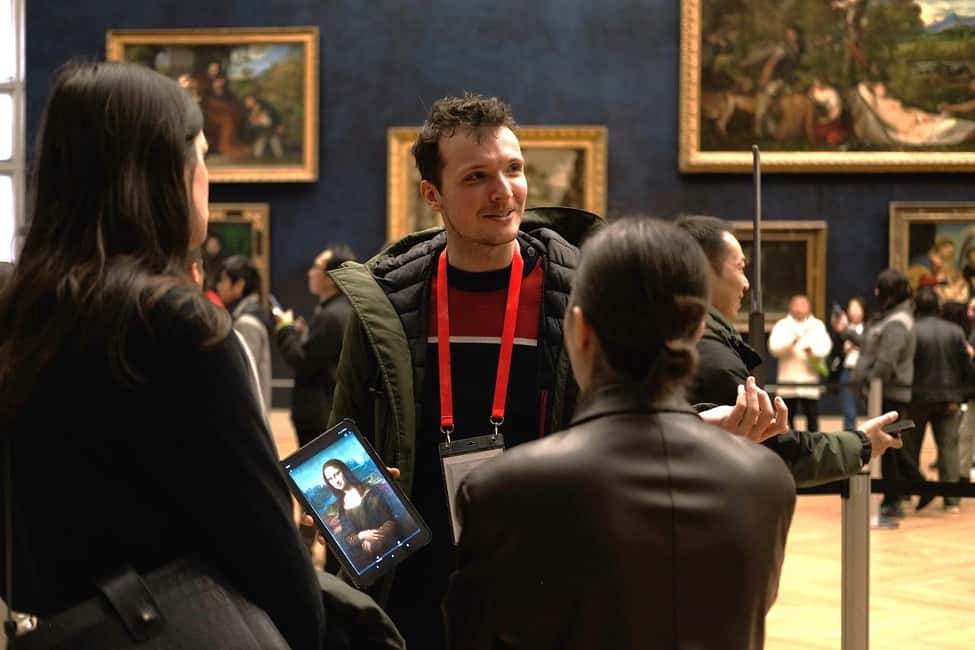
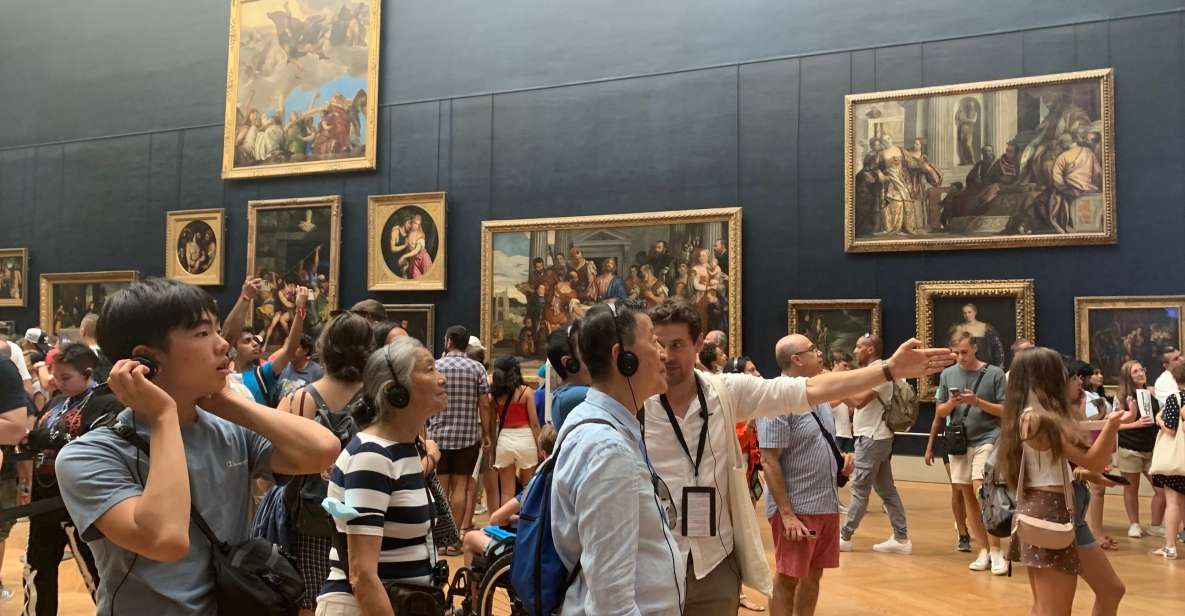
This is a 2-hour guided experience that’s built for people who don’t want to get lost. Your guide leads you through an elegant route across eight departments and around 35,000 artworks in the overall collection. The key is that you won’t try to see everything. You’ll see the works that anchor the museum’s story, with just enough context to make the famous pieces mean something.
The tour is designed around major icons. You’ll make time for Mona Lisa, Venus de Milo, and the Winged Victory of Samothrace—yes, the crowd magnets. The difference is that your guide’s route and pacing help you reach them without wasting hours bouncing between wings.
Along the way, you’ll also see major “period markers,” which is where the guide earns their fee. Instead of random wandering, the tour threads eras together: Italian Renaissance into French Romanticism into neoclassical works and into refined museum spaces like the Salon Carré.
From the feedback I’ve read, the best guides in this format do two things: they explain what you’re seeing in plain language and they keep you moving at a human pace. Guides like Jerome, Laura, Patrick, Matteo, and Ashkan are repeatedly praised for stories that make the art feel less like homework and more like a live conversation.
Italian Renaissance power moves: Wedding Feast at Cana and Michelangelo’s Slaves
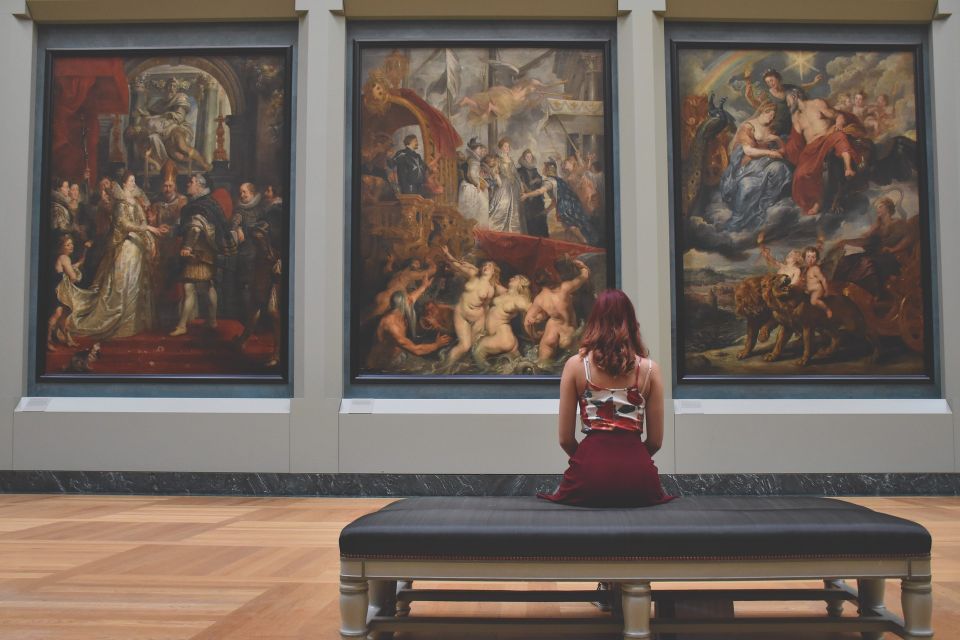
One of the smartest parts of the route is how it handles the Italian Renaissance. You don’t just get names—you get a feel for why these pieces became reference points for later artists.
On this tour, you’ll get to see The Wedding Feast at Cana, plus Michelangelo’s Slaves. These works aren’t just famous because they’re famous. They’re known because of how they show emotion, drama, and technique in ways that artists kept returning to. In a museum as huge as the Louvre, that “why it matters” context is what turns a snapshot into a real memory.
A practical advantage: the guide helps you focus on details that are easy to miss when you’re on your own. People often rush through with a phone in one hand and confusion in the other. In a group of six, you’re more likely to catch those small-but-important viewing angles and prompts like where to stand for composition or what to look for in the figures.
If Italian art is one of your interests—or if you just want the most famous paintings without turning it into a line-following exercise—this section is one of the strongest reasons to book.
French Romanticism in the Louvre: drama that hits even on a schedule
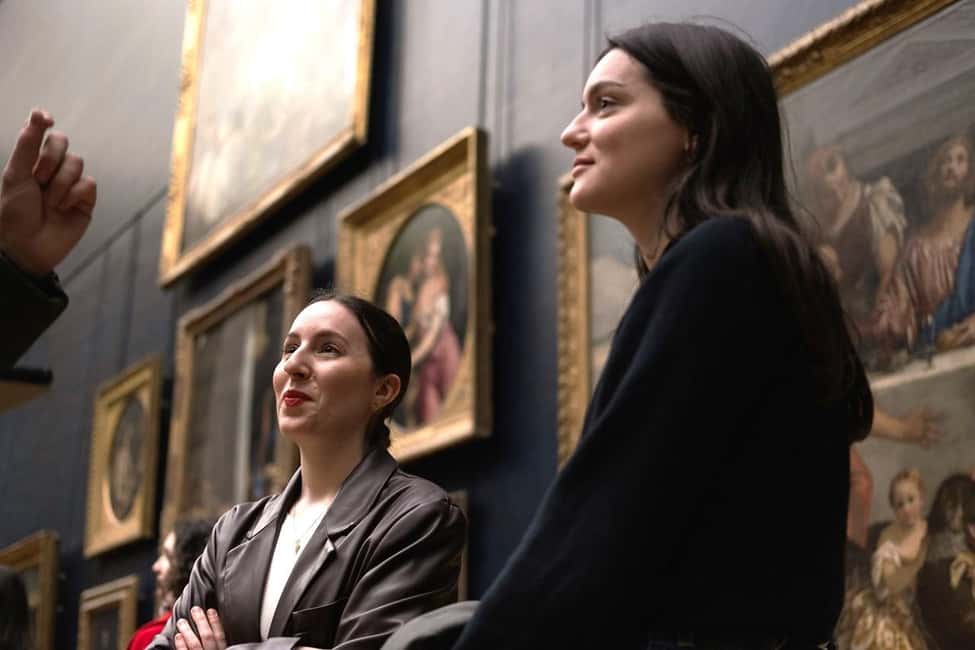
French Romanticism is where the Louvre gets loud. You’ll see a set of works that lean into emotion, political energy, and big moments.
On this route, expect highlights like The Raft of the Medusa, Liberty Leading the People, and The Coronation of Napoleon. This trio works well for a guided visit because they sit at a crossroads: art meets ideology, and paintings become arguments about what a society values.
What I appreciate about the way this tour frames Romanticism is that it’s not treated like a single style. The guide points out how each piece pushes a different kind of story—survival and tragedy in one, revolutionary identity in another, and imperial power in a third. That’s a fast way to learn without getting overwhelmed.
The practical takeaway for you: this is one of the best sections to ask questions. If you pause to ask why a scene looks the way it does or how the period ties into France’s history, you’re doing the right thing. This tour format keeps those questions from turning into a time sink.


Neoclassical sculpture and the Salon Carré: statues you’ll actually remember
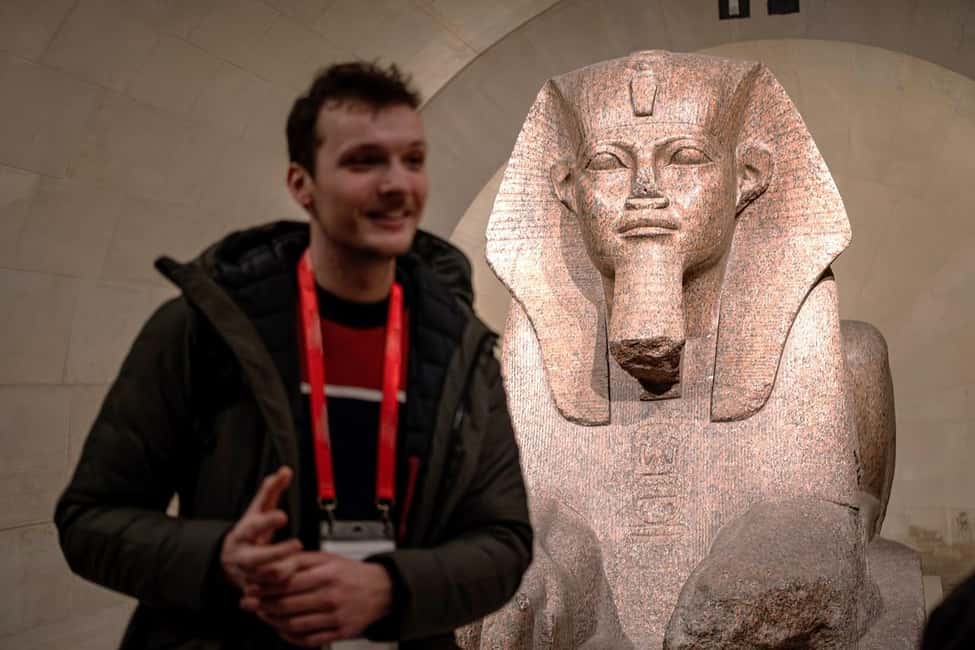
A lot of visitors come to the Louvre for paintings—and miss the impact of sculpture. This tour doesn’t let that happen. You’ll hit neoclassical highlights like Psyche Revived by Cupid’s Kiss, plus architectural sculptural moments such as The Caryatids.
You’ll also spend time in the Salon Carré, which is a refined setting that helps you “feel” the museum’s design and rhythm. It’s not just a hallway to pass through. It’s part of the Louvre experience, and it’s a good place to slow your eyes down for a bit.
If you’re the type who thinks statues are static and boring, give this section a fair shot. The names on the route are famous for a reason, but the viewing experience changes when you understand the movement, the intended emotion, and the way artists used form to tell a story.
From the guide praises, there’s a strong pattern: the best leads—like Laura, Valerie, Maryam, Celia, and Alban—are described as good at making the “what am I looking at?” question easy to answer in real time. That matters most with sculpture, since you can’t zoom in on history the way you can with captions.
After your tour: use the leftover time wisely
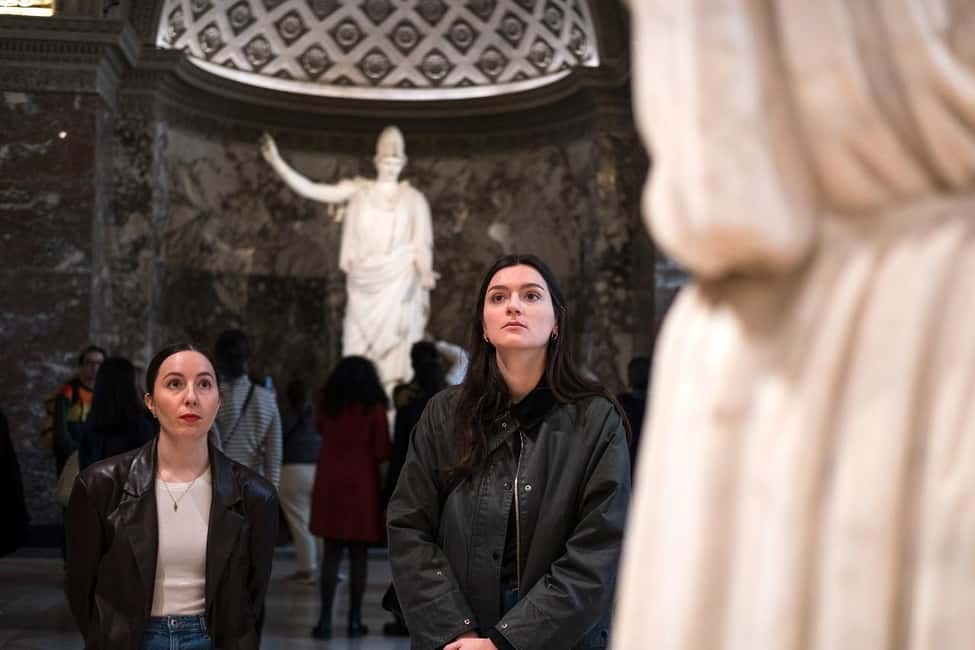
The tour ends after the 2-hour guided portion, but your pre-reserved tickets allow you to stay inside and explore on your own afterward. This is a big deal because the Louvre is too personal to be fully dictated by a guide.
Here’s the key advice: pick 1–2 “on your own” targets before you finish the tour. Then use your spare time to go back to whatever struck you most. That might mean revisiting Mona Lisa for the vibe (yes, even if it’s crowded), lingering with sculpture, or stepping into another department that the guide didn’t have time to cover.
Also plan around the ticket rules. Since your tickets are single-use and tied to timed entry, you don’t want to leave the wrong area and discover you can’t return to the wing you started in. Treat your post-tour wandering like a casual second round, not like a full reshuffle.
If you’re traveling with kids, this flexible second phase can be a lifesaver. Several comments mention guides keeping younger visitors engaged during the guided portion—like Mattéo with children ages 10 and 11—so the rest of the visit feels less like “stand and wait.”
Price and value: is $152 per person a fair deal?
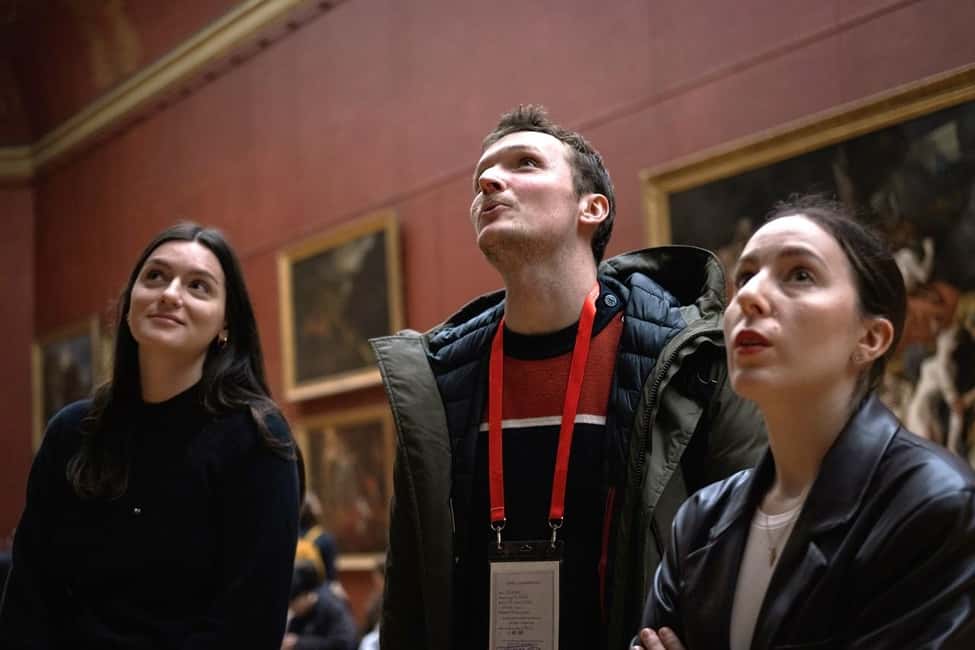
At $152 per person for a 2-hour, small-group tour with pre-reserved priority entry and a licensed Louvre guide, the pricing can feel steep at first glance. Here’s the value math that makes it easier to decide.
You’re paying for three things that are hard to DIY on a time crunch:
- Priority entry that saves you from the worst of the queue
- A focused route so you don’t lose hours figuring out where to go next
- A licensed guide who turns famous works into understandable stories
If you’re spending only one day at the Louvre—or you’re trying to see other Paris highlights too—time is your scarcest resource. In that situation, paying to save queue time and reduce decision fatigue is often worth it.
If you’re the type who loves wandering museums for hours with no plan, you might feel boxed in by a guided structure. But even then, the guide’s job is to set you up so that your wandering afterwards is smarter, not harder.
Who should book this Louvre Masterpieces Tour
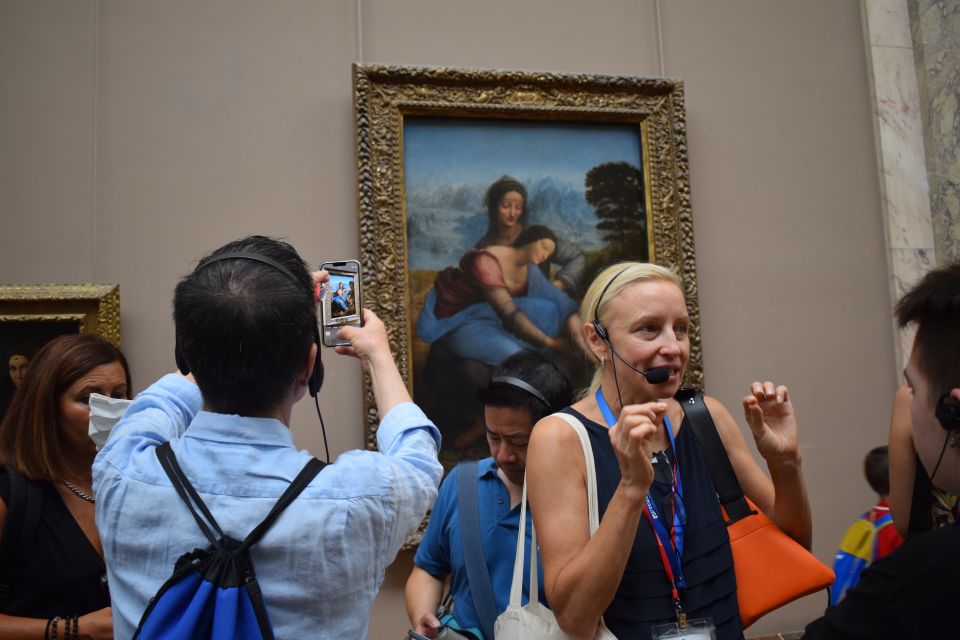
This tour is a strong fit if you:
- Want a small group experience up to six people
- Prefer to see the Louvre’s biggest icons without getting lost
- Like having context while you look, not just a pile of facts
- Value a smooth plan when you only have a limited window
It may be a tougher fit if you:
- Use a wheelchair (the tour is not suitable for wheelchair users)
- Have restrictions on mobility that make a lot of walking difficult
- Plan to bring large bags, luggage, umbrellas, or use a mobility scooter (those aren’t allowed)
One interesting nuance from the feedback: while it isn’t marketed for mobility impairments, at least one guide was described as helping someone with mobility issues use better viewing options near Mona Lisa while avoiding the thickest crowd. That’s encouraging, but don’t assume it will work for your situation. If mobility is a concern for you, I’d confirm details with the provider before you book.
If you’re traveling during high season, this tour is also a solid “sanity purchase.” The Louvre can overwhelm even calm planners, and a tight route with a good guide prevents the spiral.
Should you book? My straight call
Book this tour if you want a high-success Louvre day: priority entry, a licensed guide, and a smart route through the works that define the museum. The six-guest limit is a real quality upgrade, especially if you care about asking questions or getting help finding the right viewing moments.
I’d think twice if you’re hoping to bring lots of gear, move slowly, or if you don’t want timed-ticket pressure. The timed entry window and single-use ticket rules mean you need to be punctual and flexible.
If your goal is to see the masterpieces and still have energy left to roam afterward, this is one of the more practical ways to do the Louvre without getting swallowed by it.
FAQ
Where do we meet for the Louvre tour?
Please meet in front of Café Le Nemours. Your guide will be holding a sign with Walks In Europe written on it.
What’s the nearest metro station to the meeting point?
The nearest metro station is Palais Royal. Take exit 5, Place Colette, and turn around when you come out of the metro exit to find Café le Nemours.
How long is the tour?
The guided portion lasts 2 hours.
Does the tour include pre-reserved tickets and priority entry?
Yes. The tour includes pre-reserved tickets and priority entry, using a separate entrance to help you skip the main line.
What group size is it?
It’s a small-group experience limited to six people.
What languages are the guides?
Tours are offered with a live guide in English and German.
What do I need to bring?
Bring a passport or ID card.
Are there rules about bags and what I can bring inside?
Yes. Luggage or large bags, umbrellas, and mobility scooters are not allowed.
Are the tickets timed?
Yes. The tickets are timed and expire within 5 to 10 minutes, and they can only be used once.
Can I stay in the Louvre after the tour ends?
Yes. After the 2-hour guided tour, you may remain inside and continue exploring on your own with your pre-reserved tickets.