
REVIEW · PARIS
Paris: Best of the Louvre Guided Tour with Pre-booked Ticket
Book on GetYourGuide →Operated by CONNECTING FRANCE · Bookable on GetYourGuide
The Louvre can feel like a maze, fast. This small-group tour helps you get inside quickly and start seeing the museum in a way that actually makes sense. I like that you’re not just handed a ticket and sent into the crowd; you get a guide to point out what matters and why.
What really makes this one work is the mix of famous highlights plus historical context, with guides such as Maxim, Clara, Flo, and Victor shaping the route and the stories. You’ll hit major works like Venus de Milo and the Mona Lisa, plus sculpture and court-era scenes like Napoleon’s coronation and the Winged Victory orbit. The main drawback is timing: as of Jan 2026 the Louvre won’t let you re-enter after your tour ends, so plan your extra wandering carefully.
In This Review
- Key Points Before You Go
- Place Colette Meeting: Start Where Paris Feels Real
- Louvre Pyramid Entry: How Fast-Track Really Helps
- Venus de Milo as a Smart First Anchor
- Two Hours Inside: Mona Lisa, Nike, Napoleon, and the Palace Timeline
- What this “best of” route accomplishes
- What you may notice as the group moves
- A practical caution: you don’t get a free reset
- The Guide Factor: Why This Costs More Than a Ticket
- Timing, Price, and What You Should Do After
- Is $130 for 2 hours good value?
- Plan your post-tour move
- Who This Tour Fits Best
- Should You Book This Best of the Louvre Tour?
Key Points Before You Go
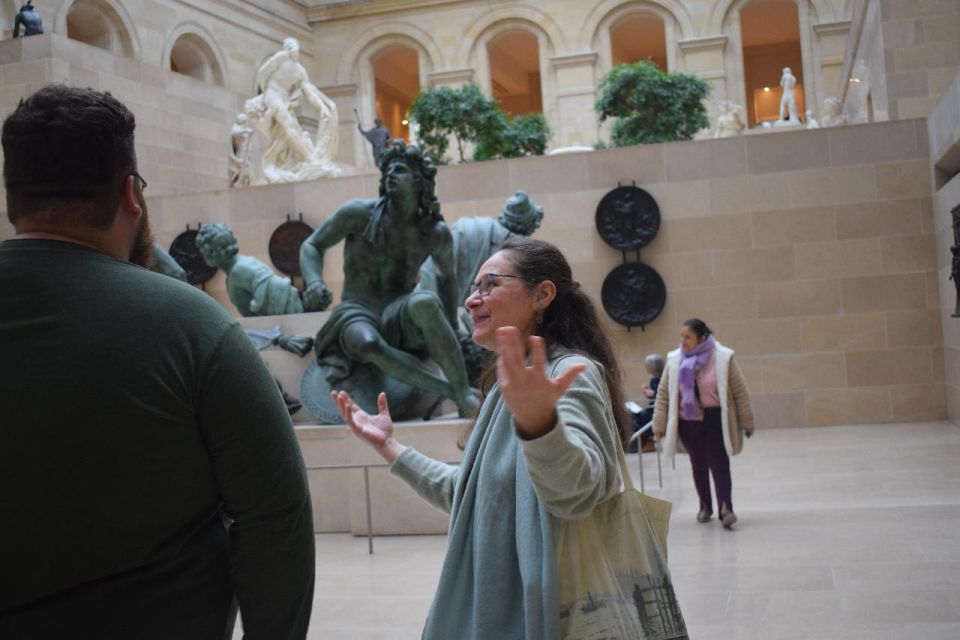
- Small groups (max 6) keep the pace human and make questions possible without shouting.
- Skip-the-line with a timed ticket means you spend more time looking and less time shuffling.
- A guided “best of” route helps you see the Louvre’s biggest hits without getting lost in it.
- Art plus palace history connects what you’re seeing to the Louvre’s 800-year transformation.
- Stops include sculpture and painting anchors, from Venus de Milo to the Mona Lisa and the Nike lineup.
- No re-entry after the tour (Jan 2026 rule) affects what you can do right after the 2 hours.
Place Colette Meeting: Start Where Paris Feels Real
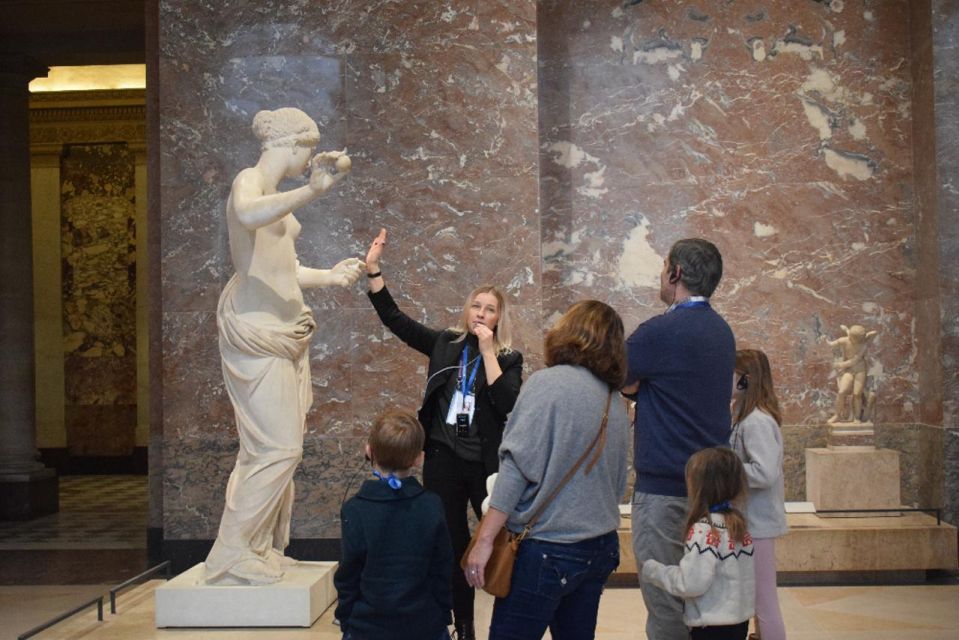
The experience begins at Place Colette, between Le Kiosque des noctambules and the building called Comédie-Française. The landmark you’ll spot right away is the colorful glass-balls sculpture at Le Kiosque des noctambules, so you’re not trying to guess which doorway is correct. Your guide meets you with a sign that says Connecting France, which cuts down that awkward first-round of confusion.
This matters more than you’d think. The Louvre area is packed with people and signage, and arriving a few minutes late can turn into extra stress. With a clear meeting point, you can focus on the fun part: getting your bearings before the museum swallows you.
Also, wear comfortable shoes. This is a walking-centered tour, and it’s paced for seeing a lot in a short window.
You can also read our reviews of more tours and experiences in Paris



Louvre Pyramid Entry: How Fast-Track Really Helps

Once you find your group, you’ll pass the Louvre Pyramid. From there, the “best of” concept kicks in: you get routed through security and enter with skip-the-line access tied to your timed ticket. That timed entry is the difference between enjoying your visit and watching the clock melt away while you queue.
A quick reality check: the Louvre is huge, and even with fast entry, the galleries can still be crowded. What the tour gives you is control. Instead of trying to plan the museum on the fly, you’re guided to a high-impact path so you see signature works early and don’t waste your energy wandering in the wrong direction.
You’ll also get a sense of the building’s story right away: the Louvre started as a medieval fortress, became a Renaissance royal residence, later served partly as a museum, and grew into the world-famous institution it is today. That context turns the museum from “rooms of stuff” into “a place that changed with every era.”
Venus de Milo as a Smart First Anchor
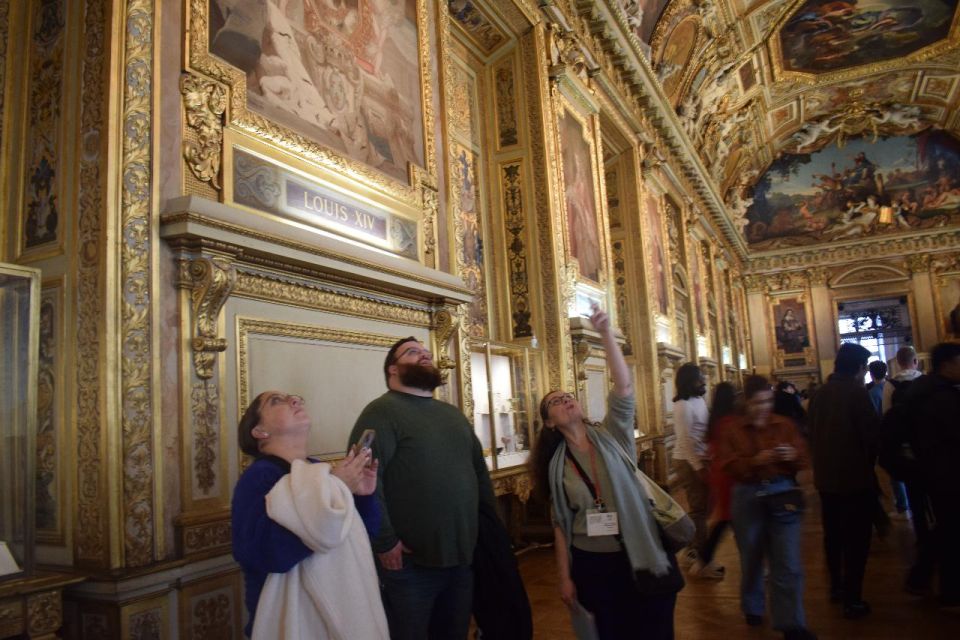
One of the standout stops is Venus de Milo. It’s a perfect anchor piece because it’s instantly recognizable and visually strong even if you don’t consider yourself an art person. Sitting in your mind afterward, it gives you a reference point for everything else you’ll see.
But the real value is what the guide does around it. You’re not just looking at a statue; you’re learning how the Louvre’s collection brought together different cultures and time periods under one roof. That helps a lot because the Louvre jumps from Greek sculpture to Renaissance painting to dramatic later works without warning if you’re on your own.
You’ll also appreciate the tour’s rhythm. The pace is structured for a 2-hour visit, so you get a “greatest hits” hit list rather than a scattered sampling. Venus de Milo is one of the best choices for that approach.
Two Hours Inside: Mona Lisa, Nike, Napoleon, and the Palace Timeline
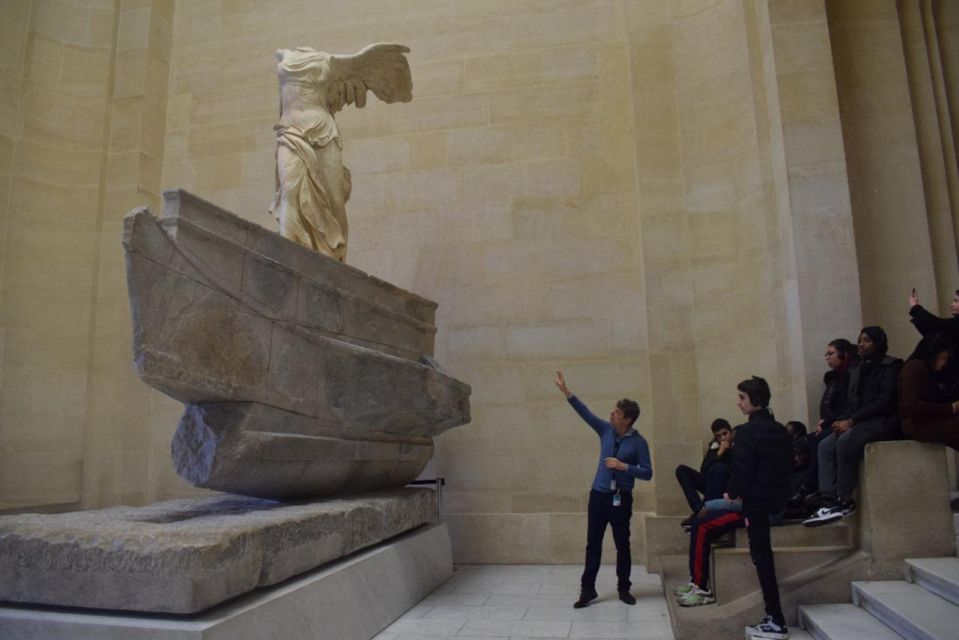
The core of the tour is a 2-hour guided walk through the Louvre’s rooms and galleries, with live commentary. Expect to see a mix of paintings and sculptures, including the works named in the highlights: the Mona Lisa, Venus de Milo, the Winged Victory of Samothrace, Nike (often grouped among the so-called three ladies of the Louvre), and scenes connected to Napoleon such as Napoleon’s coronation and the Napoleon apartments.
What this “best of” route accomplishes
If you’ve ever tried to do the Louvre solo, you already know the problem: it’s not just big, it’s disorienting. You can stand in front of a masterpiece and still miss the point of why it belongs there.
This tour tries to solve that with two things:
- A curated sequence that points you toward the most recognizable works first.
- Context that links the art to the Louvre’s evolution across centuries.
That’s why the guide’s job is more than storytelling. It helps you “read” what you’re seeing. For example, the tour calls out big-name artists and eras you can look for afterward—da Vinci, Caravaggio, Botticelli, and Géricault—so when you come across related works, your brain already has a framework.
You can also read our reviews of more guided tours in Paris





What you may notice as the group moves
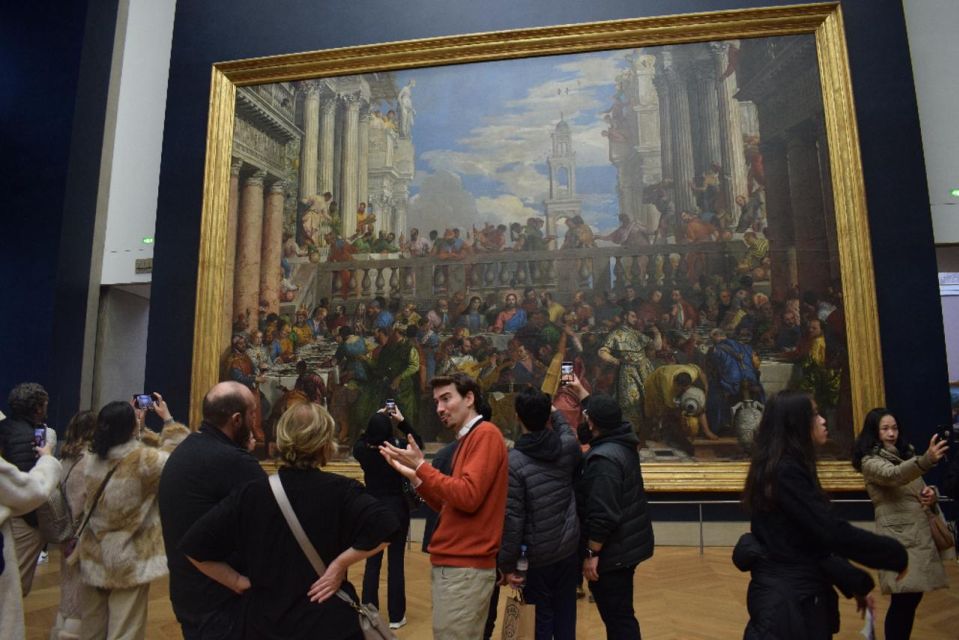
Because the group is limited (up to 6), you’re not constantly fighting for sight lines. You still need to be ready for crowding, especially around the very famous pieces. But with a guide managing the flow, you’re more likely to see the highlights without the dead time of trying to figure out which corridor leads where.
From the experience details, you can also expect the tour to touch on more than just the headline art. Some guests mention seeing things like tapestries, jewelry, and courtyard sculptures, plus the Napoleon areas. Even if you don’t linger on those extra details on this tight schedule, the guide points you toward what’s worth returning to later.
A practical caution: you don’t get a free reset
Here’s the biggest “plan around it” point: as of Jan 2026, the Louvre’s ticketing rule means customers are no longer allowed to re-enter after their tour finishes. One guest even ran into confusion about re-entry after a coffee break, and staff didn’t allow it.
So if you want time for a café stop, shopping, or extra galleries, build that into your personal plan before you book. In other words: don’t assume you’ll be able to exit and stroll back in whenever you feel like it.
The Guide Factor: Why This Costs More Than a Ticket
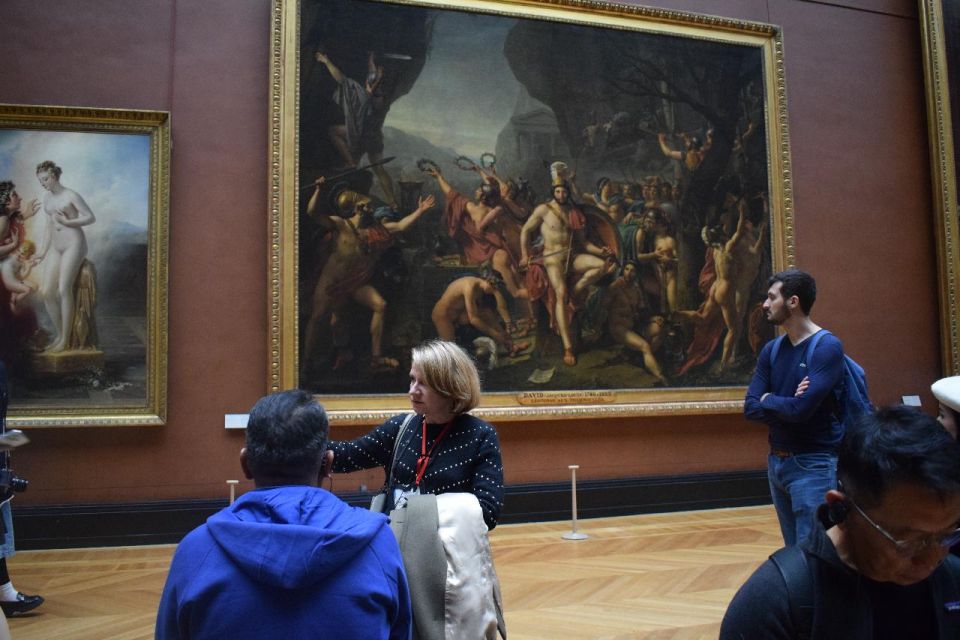
Yes, this costs more than buying your own Louvre admission. I think it’s worth it for one reason: you’re paying to remove the guesswork.
A self-guided visit can work if you’ve planned your route and you’re comfortable making tradeoffs. But for first-timers—or anyone with limited time—the cost is buying three practical wins:
- Navigation help through a museum designed to overwhelm.
- Context that makes familiar art feel specific instead of generic.
- A realistic pace for seeing key works in 2 hours.
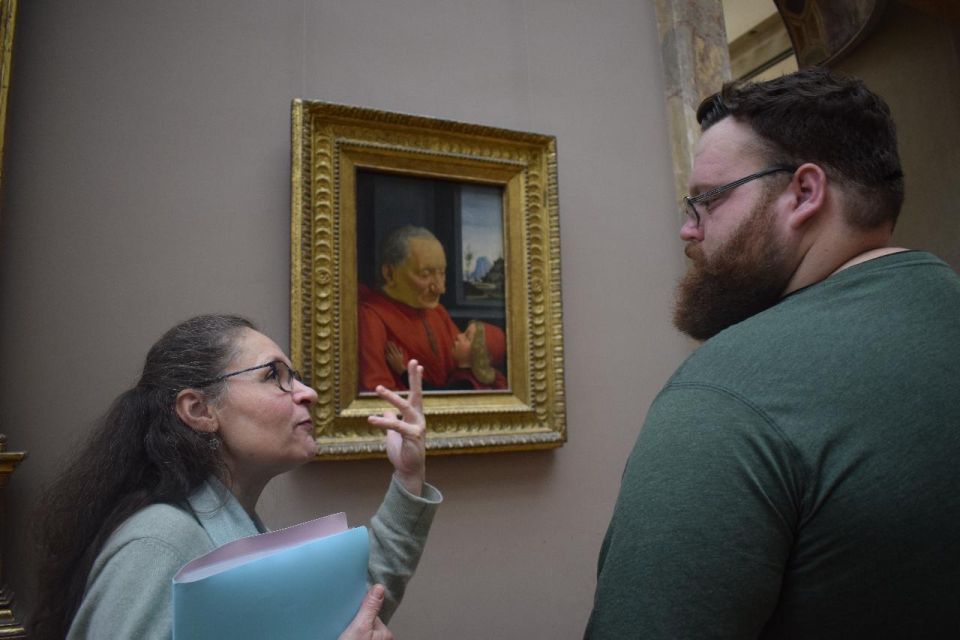
The reviews back this up with repeated praise for guides like Akiko, Akiko, Matteo, Jerome, John, and Flo, plus their ability to keep groups moving efficiently while still answering questions. People also highlight that the tour feels personal even with multiple languages involved, and that’s mostly because the group size stays small.
One nice bonus: audio support is referenced in the tour experience, so you’re less likely to miss the commentary if you’re standing a bit off to the side.
Timing, Price, and What You Should Do After
Is $130 for 2 hours good value?
At $130 per person for a 2-hour small-group tour, it’s not cheap. Here’s the value math I use:
- You’re getting skip-the-line and a timed ticket, so your time cost is reduced.
- You get a live guide for the full 2 hours (max 6 people).
- You get a curated route aimed at the Louvre’s signature works, not just random gallery access.
If you’re visiting only once and you care about seeing the biggest “I can’t believe I’m here” pieces—Mona Lisa, Venus de Milo, and the sculpture anchors—this price can feel reasonable because it saves you from spending hours trying to choose the right rooms.
If you’re the type who loves wandering with no plan and you’re happy picking your own highlights, then a regular ticket might be the better deal. The tour’s value comes from direction.
Plan your post-tour move
Because re-entry is restricted after your tour window (as of Jan 2026), I recommend you treat this as your guided “Louvre sprint.” After the tour ends, decide what you want most:
- Do you want a quick photo sweep of anything you already saw?
- Do you want to head for a nearby break outside?
- Are you planning a second Louvre day with a separate plan?
Having that decision ready keeps you from feeling rushed or frustrated when you’re staring at a rule you didn’t expect.
Who This Tour Fits Best
This is a strong match if:
- You’re short on time in Paris.
- You want the Louvre’s biggest works with a guide-led context layer.
- You like small groups where you can hear the guide without strain.
It’s less suitable if:
- You have mobility impairments or use a wheelchair, since the tour isn’t set up for that based on the provided details.
For families: there are multiple positive notes from people with kids, including a 14-year-old who had a great time. The tour is structured and fast, which can work well for teens who get restless in long museums.
Should You Book This Best of the Louvre Tour?
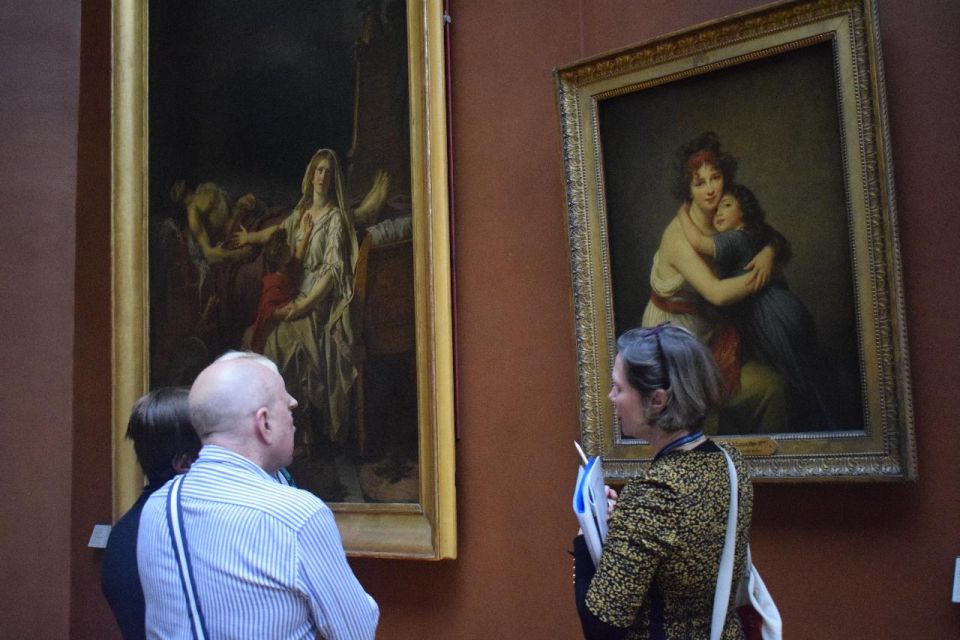
If this is your first Louvre visit, and you want the classics with helpful context, I’d book it. The combination of small group size, skip-the-line timed entry, and a guide-led route makes the difference between seeing highlights and truly understanding why they matter.
My only “think twice” moment is the Jan 2026 rule about no re-entry after the tour. If you need long breaks inside the museum or you plan to drift for hours after the guided portion, you’ll want to rethink your schedule.
If you want to experience the Louvre like a smart itinerary rather than a random walk, this is one of the more practical ways to do it.