REVIEW · PARIS
Louvre Guided Tour with Mona Lisa & Masterpieces
Book on GetYourGuide →Operated by City Wonders Ltd. · Bookable on GetYourGuide
Mona Lisa time, minus the stress. This Louvre guided tour gives you reserved afternoon access plus an expert English guide, so you can focus on the works instead of searching hallways and fighting crowds. I love that you get skip-the-ticket-line entry with a headset, which makes the whole museum feel more controlled. The one drawback to keep in mind is that it’s a lot of walking, and it’s not suitable for wheelchair users.
What really sells this tour is the plan: you’re not just orbiting the obvious rooms. You’ll see major hits like Da Vinci’s Mona Lisa, plus major Renaissance and classical sculpture highlights like Michelangelo and the Greek statues most people only hear about later. If you’re short on time and want the Louvre to make sense fast, this is a strong way to do it.
In This Review
- Key highlights worth showing up for
- Meeting at Arc de Triomphe du Carrousel and getting in smoothly
- Reserved afternoon entry: how it changes your Louvre experience
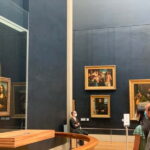
- First wow factor: Da Vinci’s Mona Lisa, seen with context
- Renaissance masterpieces and why the guide route matters
- Classical icons: Venus de Milo and Winged Victory of Samothrace
- Apollo Gallery, Napoleon Apartments: the Louvre as palace, not just museum
- Sculptures that add drama: Michelangelo and Canova
- How the guide, headsets, and group flow affect your time
- Price and value: is $80 worth it for a 3-hour Louvre?
- Practical gotchas before you go: security, bags, and walking
- Who this tour is best for (and who should consider another option)
- Should you book this Louvre guided tour?
- FAQ
- Where is the meeting point?
- How long is the tour?
- Does this tour skip the ticket line?
- What’s included in the price?
- Are hotel pick-up or drop-off included?
- Is the tour wheelchair accessible?
- Are there limits on bags and items?
- What’s the tour cancellation and payment flexibility?
Key highlights worth showing up for
- Reserved afternoon access that aims to cut crowd pressure compared with peak times
- Headset + expert English guide so you can hear every key detail as you move
- Mona Lisa and Renaissance stops tied together with clear art-and-context explanations
- Classical collection icons including Venus de Milo and Winged Victory of Samothrace
- Sculpture and palace rooms that connect art to the Louvre’s former royal role
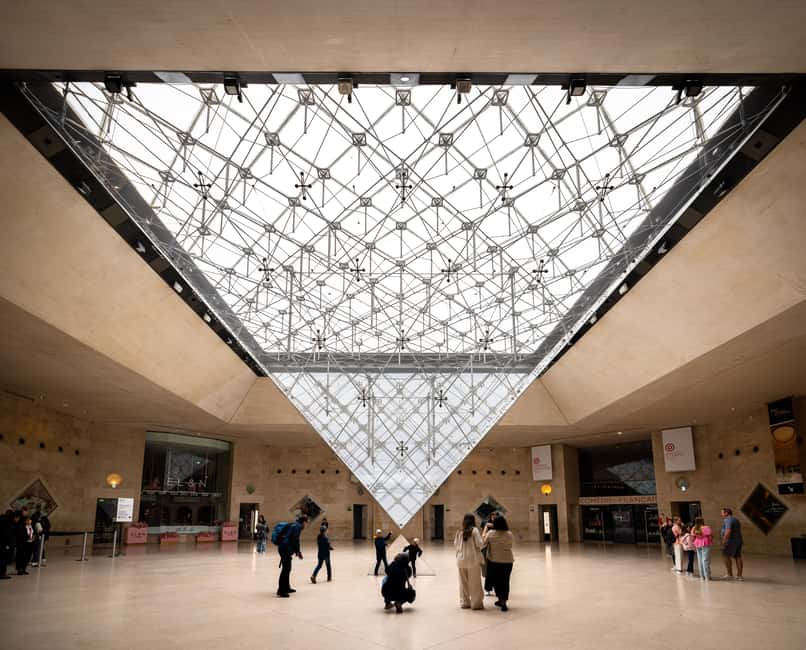
- Finish at the Louvre Pyramid for an easy exit point after your route
Meeting at Arc de Triomphe du Carrousel and getting in smoothly
Your tour begins at the Arc de Triomphe du Carrousel, not at the Louvre entrance. Stand with your back to the Louvre Pyramid and look across the road toward the Tuileries Garden entrance area to spot the arc and its horse-drawn chariot on top. Coordinators in blue attire stand to the left of the Arc along the wall railing.
This sounds tiny, but it matters. The Louvre can be confusing at first glance, and meeting outside means you’re not starting your visit already stressed about where lines begin. Also, there’s no hotel pickup or drop-off, so treat this as a plan you walk or connect to using your own transport.
You can also read our reviews of more guided tours in Paris


Reserved afternoon entry: how it changes your Louvre experience
You’re promised reserved afternoon access, specifically when the Louvre tends to feel less jammed. That matters because the Louvre is one of those places where crowds aren’t just annoying—they distort your view of art. When you’re packed in, you spend energy avoiding elbows instead of noticing brushwork, posture, materials, and the way artists shaped emotion.
This tour also includes entrance ticket and reservation fee, plus access that helps you bypass the main ticket line. You’ll still go through security before entering the museum, because that’s required for everyone. But once you’re inside with your group and headset, you can start moving with purpose.
The route keeps the pace practical for a 3-hour visit. You won’t see everything the Louvre owns—that’s impossible in any single tour—but you’ll hit major works and understand what connects them.
First wow factor: Da Vinci’s Mona Lisa, seen with context
The centerpiece is Da Vinci’s Mona Lisa. Even if you think you already know the painting, the real value here is how a guide helps you look longer and smarter than you would on your own.
In a crowded museum, the Mona Lisa often becomes a quick photo moment. With a guided route and headset, you’re more likely to catch the details people miss when they’re trying to squeeze past other sightlines. The guide approach is built for recognition: not just saying what it is, but helping you understand why it’s famous and how Renaissance thinking shows up in the work.
Practical tip for getting more from this stop: don’t treat it like a sprint. Even a minute or two of careful looking changes how you experience it, especially when the guide is pointing out themes and technique as you’re standing there.
Renaissance masterpieces and why the guide route matters
After Mona Lisa, you’ll move through other Renaissance highlights, including works connected to Michelangelo and Renaissance master painters like Raphael. The tour also references stunning sculptures by major artists such as Michelangelo’s Dying Slave and Canova’s Psyche Revived.
Here’s what I like about this format: it turns the Louvre into a timeline you can actually follow. Instead of bouncing room to room, you’re walking through ideas—Renaissance art, its human focus, and the way later artists revived classical themes.
This is also where a guide really earns their fee. The Louvre is huge, and without a plan you often end up doing the museum equivalent of channel-surfing. The guide keeps you oriented and helps you understand why each stop belongs on the route, not just because it’s famous.
One small but meaningful comfort: the headset means you don’t need to keep turning your head to catch instructions. That reduces the “lost tourist” feeling and lets you focus on the art.
Classical icons: Venus de Milo and Winged Victory of Samothrace
Then you hit the classical world. The tour includes Venus de Milo and Winged Victory of Samothrace, two sculptures that tend to feel almost unreal in person because they’re both physically imposing and emotionally expressive.
These statues work best when you know what to look for: proportions, the way drapery or movement is carved, and how the artists conveyed presence and power. That’s exactly the kind of thing you’ll get more quickly with an expert than by reading a label alone.
Also, this tour doesn’t just list Greek and Roman art. It’s set up to help you notice details and pick up the lesser-known stories that usually get missed when you go straight for the most photographed pieces.





Apollo Gallery, Napoleon Apartments: the Louvre as palace, not just museum
A big part of the tour is walking through the Louvre’s regal spaces too. You’ll get to see areas like the Apollo Gallery and the Napoleon Apartments, which helps explain why this museum feels different from many other art museums.
If you’ve only ever thought of the Louvre as a collection, this kind of stop brings you back to the building’s earlier identity. The palace layout affects how the art was displayed and how people experienced power and prestige. Even when you’re just passing through, those rooms change the tone of the visit.
This is one of those practical benefits that can surprise you: understanding the setting makes the art feel less random and more intentional.
Sculptures that add drama: Michelangelo and Canova
Sculpture is a special strength of the Louvre, and this tour leans into that with major pieces like Michelangelo’s Dying Slave and Canova’s Psyche Revived.
Why this is worth your time: sculpture isn’t just about looking forward. It’s about how form changes as you move, and how emotion shows through anatomy, texture, and posture. When a guide helps you think about those features, you’re more likely to have a real reaction instead of a polite nod.
Also, seeing these works in the flow of the tour means you’re comparing styles and goals—classical ideals, Renaissance emotion, and later interpretations—rather than treating each object as a separate checkbox.
How the guide, headsets, and group flow affect your time
This tour is built around the idea that you’ll spend your limited time with the right information. You get an English-speaking expert guide plus headset access, so hearing details isn’t a problem even when groups cluster.
Your route is also structured: start at the Arc de Triomphe du Carrousel, tour the Louvre for about 3 hours, and finish near the Louvre Pyramid. That exit point is practical if you plan to keep exploring after the tour, because it’s an easy landmark for regrouping and moving on.
One logistical detail to remember: if your party is 7 or more people, you may be split into different groups at the meeting point. That’s fairly common for museum tours, and it doesn’t mean the experience is worse—it just means expect slightly different group dynamics while the route stays focused on the same key areas.
Price and value: is $80 worth it for a 3-hour Louvre?
At $80 per person for a 3-hour guided experience, you’re paying for three things: reserved access, expert guidance, and a smoother path through a complicated museum visit.
On value, here’s the honest math of it:
- The tour includes the Louvre entrance ticket plus a reservation fee (the museum ticket portion is listed as 22€ and the reservation fee as 70€ per group).
- You get skip-the-ticket-line benefits and reserved entry, which saves time and stress.
- You get a guide who helps you see what matters—especially important at the Louvre, where self-guided visits can become fragmented quickly.
If you’re the type of traveler who loves reading museum labels and roaming freely, a self-guided Louvre day might feel cheaper. But if you want the Louvre to make sense in a short window, a guided, reserved afternoon format is usually the better value. You’re not paying for hype—you’re paying to avoid wasted time and to get your eyes trained faster.
Practical gotchas before you go: security, bags, and walking
A few rules and realities can affect your comfort level:
- The tour involves a fair amount of walking in the museum.
- Baby strollers are not allowed.
- Luggage or large bags aren’t allowed, and anything exceeding 55 x 35 x 20 cm is not permitted.
- All visitors must pass security before entering the museum.
- It’s not suitable for wheelchair users.
- Entry can be cheaper in special cases: museum entry is free for EU visitors age 18 to 26 (based on the tour info).
None of these are surprising for the Louvre, but it’s better to plan around them now than at the security line. If you’re traveling light, great. If you’re bringing anything bulky, expect to adjust your packing.
Also, the meeting point is outside and not at the museum entrance. Build a little buffer time so you don’t show up sprinting after navigating the area.
Who this tour is best for (and who should consider another option)
This is a good fit if:
- You’re visiting the Louvre for the first time and want the big names without losing half your day.
- You care about art history but don’t want to do heavy research before walking into the museum.
- You like guided structure, especially with a headset that keeps you connected to the guide.
You might want a different option if:
- You dislike group pacing and prefer total freedom.
- You need low-walking or accessibility support that the tour is not designed for.
- You want to focus on only one niche area for hours, like a single wing or one artist, with no route.
For most first-timers with limited time, this kind of focused Louvre experience is one of the most time-efficient ways to get a real sense of what you’re looking at.
Should you book this Louvre guided tour?
I’d book it if you want a 3-hour Louvre visit that prioritizes major works—Mona Lisa, Venus de Milo, Winged Victory of Samothrace, plus key Renaissance and sculpture highlights—while taking the pressure off navigation and crowds. The combination of reserved afternoon access, skip-the-ticket-line, and an expert guide with headsets is exactly what makes the experience feel “museum-smart” instead of chaotic.
If you’re only loosely interested in art and just want photos, you might find it slightly guided-heavy. But if you want to walk out saying I finally understand what I saw, this is a strong choice.
FAQ
Where is the meeting point?
You meet beside the Arc de Triomphe du Carrousel. Coordinators in blue attire are on the left of the arc along the wall railing, across the road from the Louvre Pyramid area.
How long is the tour?
The tour runs for 3 hours.
Does this tour skip the ticket line?
Yes. It includes skip-the-ticket-line entry benefits.
What’s included in the price?
Included are reserved access to the Louvre, an expert English-speaking guide, headset so you can hear the guide, and the entrance ticket plus reservation fee.
Are hotel pick-up or drop-off included?
No. There is no hotel pick-up or drop-off.
Is the tour wheelchair accessible?
No. It is not suitable for wheelchair users.
Are there limits on bags and items?
Yes. Baby strollers are not allowed, and items larger than 55 x 35 x 20 cm are not permitted in the museum. Large luggage is not allowed.
What’s the tour cancellation and payment flexibility?
You can cancel up to 24 hours in advance for a full refund, and you can reserve now and pay later.