REVIEW · PARIS
Behind the Scenes of the Grand Rex: 50-Minute Studio Tour
Book on GetYourGuide →Operated by Le Grand Rex - Rex Studios · Bookable on GetYourGuide
Movies get physical at the Grand Rex. This 50-minute Rex Studios tour turns a classic Art Deco cinema into a hands-on movie set, using an audio guide to guide you from scene to scene. I love the mix of film-making education with playful participation, and you’ll get the feeling of being part of a production, not just watching one.
Two things I really like: the way the tour walks you through how a movie is made, step by step, and the chance to try roles like director, projectionist, and actor as you move through the sets. One drawback to plan around: it’s not a live, person-led tour, and the experience isn’t a good fit if you have claustrophobia or certain medical conditions.
In This Review
- Key moments worth your time
- Le Grand Rex is the star before the lights even go on
- The audio-guided format: how to plan for your 50 minutes
- Your backstage route: following a film through sets
- Director, projectionist, actor: the roles that make it click
- The “finished film” moment and what you might be able to take home
- Where this works best (and who should skip it)
- Price and value: what $14 buys you in real terms
- Timing, starting points, and how to avoid a day-of hassle
- What you’ll learn that actually sticks after you leave
- Should you book the Rex Studios studio tour?
- FAQ
- Do I need a live guide for this tour?
- How long is the Behind the Scenes of the Grand Rex studio tour?
- What languages are available on the audio guide?
- Is the tour suitable for children?
- Is the venue wheelchair accessible?
- What is included in the ticket price?
Key moments worth your time
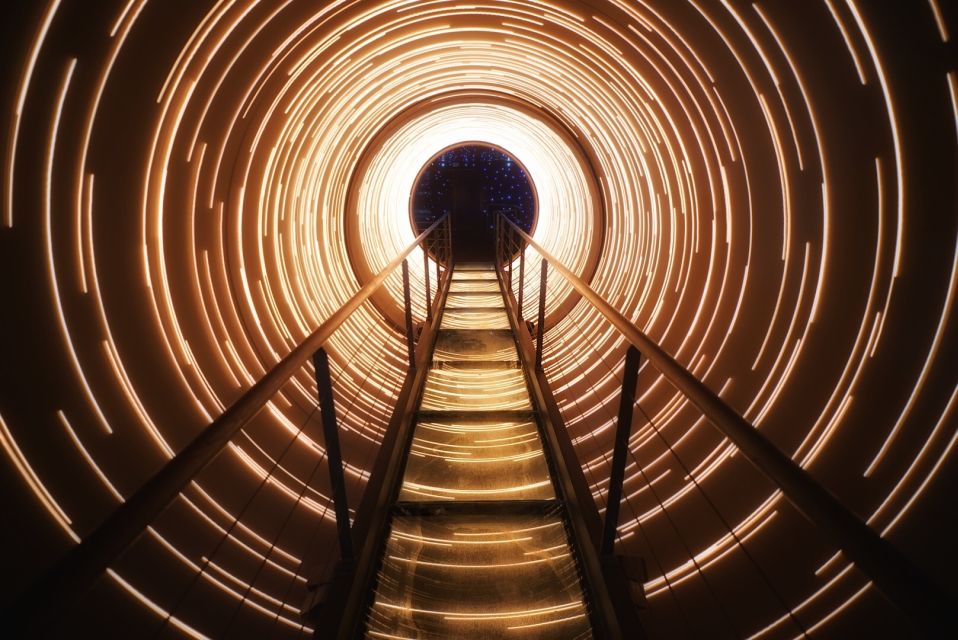
- Behind-the-screen storytelling using sets that take you through a film’s creation, not a slideshow
- Actor and crew roles that help you understand film-making as a team sport
- A fun, interactive feel that works for families and film nerds alike
- A strong emphasis on production steps, from tools to technique
- You may be offered your finished film at the end, depending on what you choose to purchase
Le Grand Rex is the star before the lights even go on
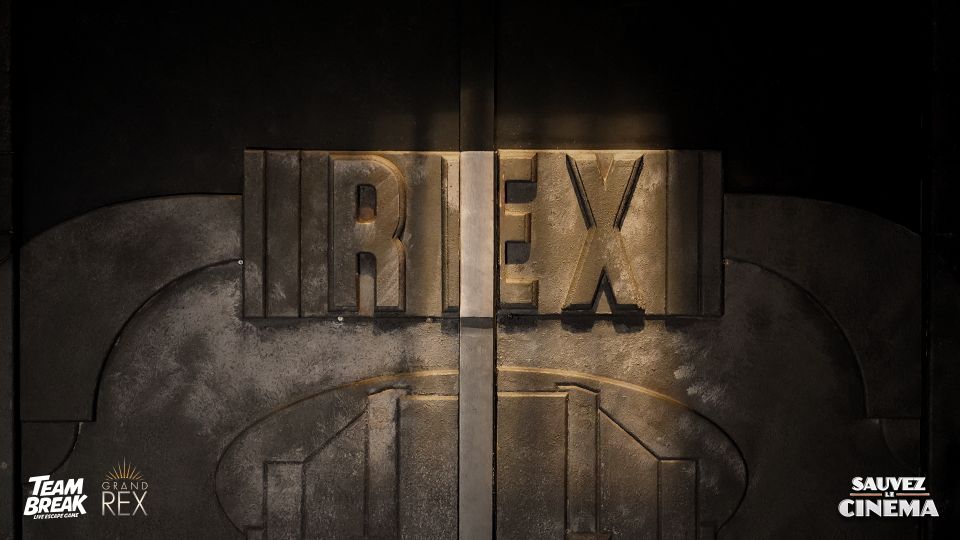
The Grand Rex isn’t just another Paris cinema. It’s an Art Deco landmark, and it’s recognized as a major piece of French cinematic heritage. The Rex Studios tour takes that prestige and makes it practical: you don’t just learn about movies, you experience how they’re built.
Rex Studios was created in 1998, which matters because it explains the tour’s tone. It’s designed to feel like a movie set you can walk through, not like a museum lecture. You get the sense that the building itself was made for spectacle, and the tour uses that advantage.
If you’re a movie fan, you’ll appreciate the context fast. If you’re traveling with kids, they’ll like the “wait, I get to do that” energy.
You can also read our reviews of more tours and experiences in Paris.



The audio-guided format: how to plan for your 50 minutes
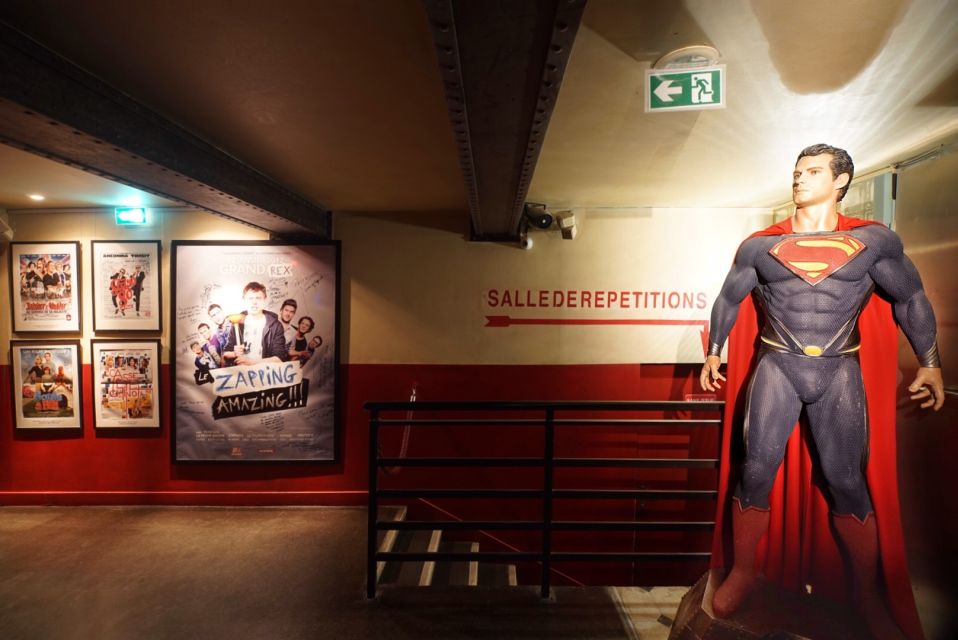
This tour runs for 50 minutes and you start when your time slot begins. Tours start every 5 minutes, so you’re not stuck waiting around for long stretches. You should treat it like a timed attraction: arrive a little early so you can settle in and start on the right beat.
The biggest thing to know is simple: there’s no live guide walking you through. Instead, you follow an included audio guide in your chosen language. That can be great if you like moving at your own pace inside the experience, but it does mean you won’t get spontaneous answers from a person in the moment.
Language options are solid: English, French, German, Italian, Russian, and Spanish are available on the audio guide. So whether your group needs one language or multiple, you have options to keep everyone on the same story.
Your backstage route: following a film through sets
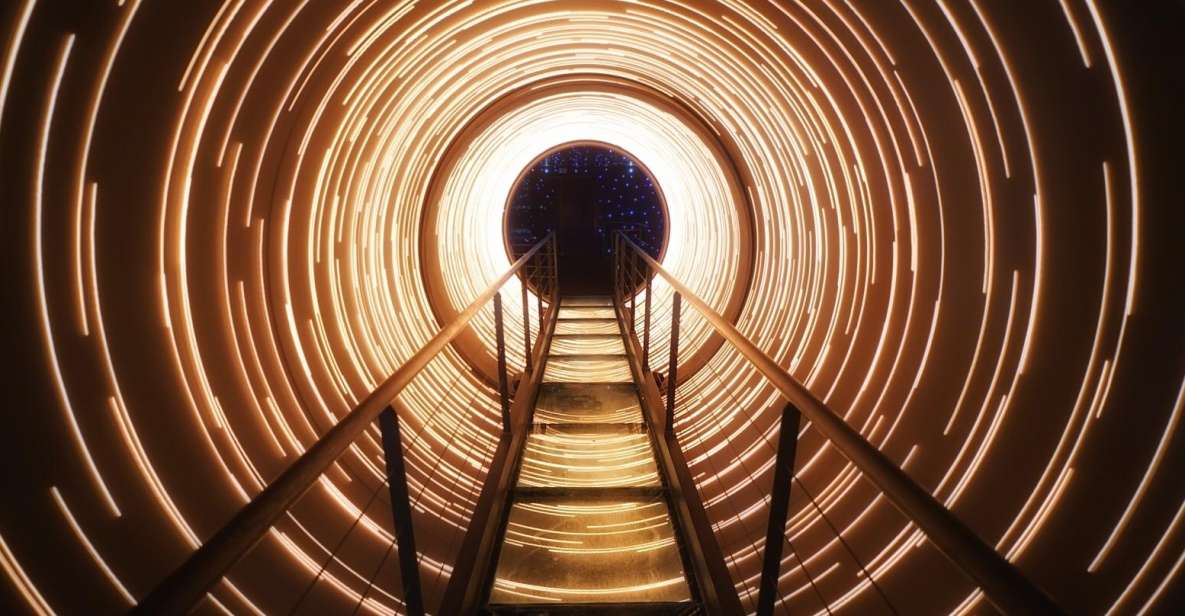
The tour’s core idea is straightforward. You follow the creation of a film through a sequence of sets, stepping into different parts of the process as you go. That structure is what makes it more than a standard walkthrough, because you’re getting a “how it’s made” narrative with visual staging.
As you move through each part of the experience, the audio guide explains what’s happening and what each role would be responsible for. The point isn’t just facts. It’s to give you a sense of workflow, timing, and how many jobs have to line up for a finished scene.
I like this approach because it helps you translate what you see in theaters into something concrete. Instead of saying cameras and projection are “magic,” the tour breaks the magic into steps you can recognize.
Director, projectionist, actor: the roles that make it click
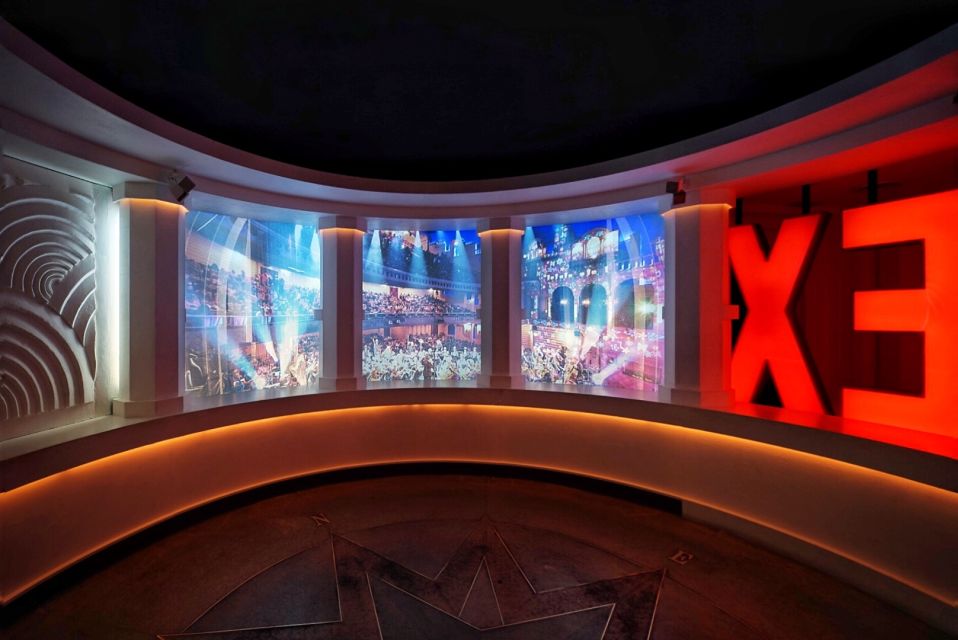
One of the most praised aspects is the way the tour assigns you roles. You don’t have to be an actor to get it, but you do get that actor-style perspective: you try actions, respond to cues, and understand why someone on a set would care about them.
The same goes for the behind-the-scenes crew side. Learning about the projectionist role helps you understand what happens after filming, when the show becomes the show. And when the audio guide frames the director perspective, it gives you a reason for why scenes are staged the way they are.
You’ll also notice that the experience uses special effects and interactive moments. That’s a big part of why families tend to have a good time, and why adults who love cinema find it satisfying too.
Practical tip: if you’re with kids, don’t overthink it. Let them lean in. The tour is built for participation, and that’s where the payoff shows up.
The “finished film” moment and what you might be able to take home
A common highlight is what happens at the end: you see the film outcome of what you went through during the tour. That closing payoff is important because it turns all the moving, acting, and set-walking into a final product.
You may also have the chance to purchase a copy of the film you appear in. One visitor noted getting the film on a memory stick, which suggests that a take-home option exists and can be part of the experience. Just remember that personal purchases aren’t included in your ticket, so treat this as optional.
This ending matters for value. A 50-minute attraction can feel short, but ending with something tangible makes it feel complete. It’s the difference between a “cool tour” and an “I did something” moment.



Where this works best (and who should skip it)
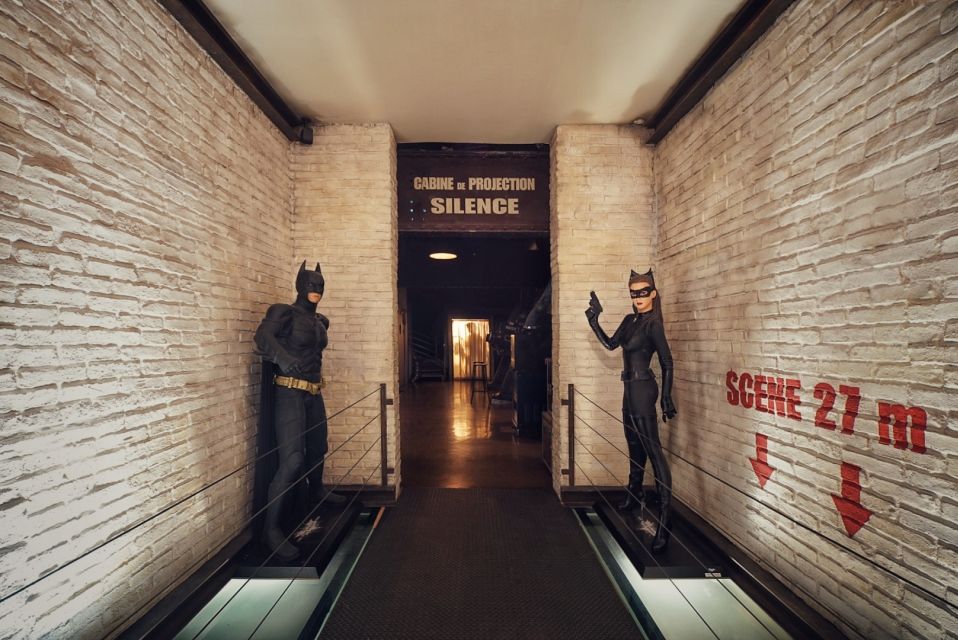
This tour is suitable for anyone over age 5. That’s a wide age range, and it’s one reason it’s popular with families. Kids get the action. Adults get the context.
It’s not for everyone, though. The facility is not accessible for wheelchair users. So if mobility is an issue, you’ll want to consider alternatives.
Also, the tour isn’t recommended for people using a pacemaker. It’s also not recommended for pregnant women or for anyone who suffers from claustrophobia. That’s not just a legal checkbox; it’s a real safety consideration based on how the experience is designed and what kinds of sensory effects it may involve.
If your group includes someone with any of those needs, it’s worth thinking ahead before you commit to a time slot. The schedule runs continuously, so last-minute decisions can be tricky.
Price and value: what $14 buys you in real terms
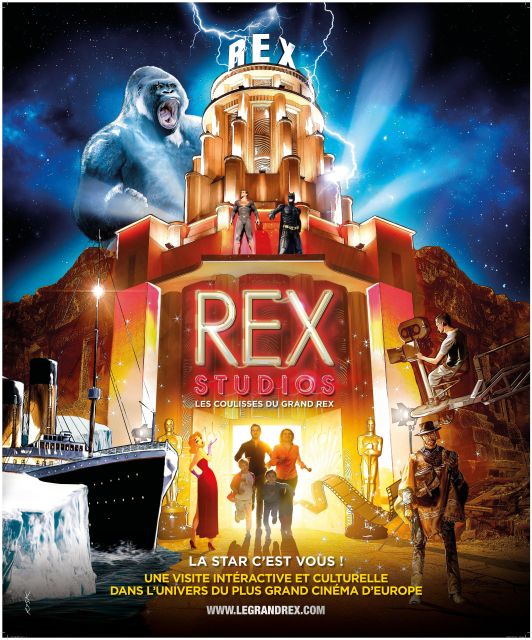
At about $14 per person for a 50-minute experience, the value comes from two things: the duration and the format. One hour is long enough to feel like you’re part of a story, but short enough that it doesn’t derail your whole day in Paris.
You also get an audio guide included, plus admission to Rex Studios. That means you’re paying for the whole experience framework, not just access to a building.
The only likely extra costs are personal purchases at the end, like optional film copies. Since those aren’t included, you control your total spend.
My take on value is this: if you’re even a casual movie fan, you’ll likely enjoy the mix of cinematic education and interactive fun. If you prefer quiet, strictly historical tours with minimal participation, this may feel a bit more like a themed attraction than a museum.
Timing, starting points, and how to avoid a day-of hassle
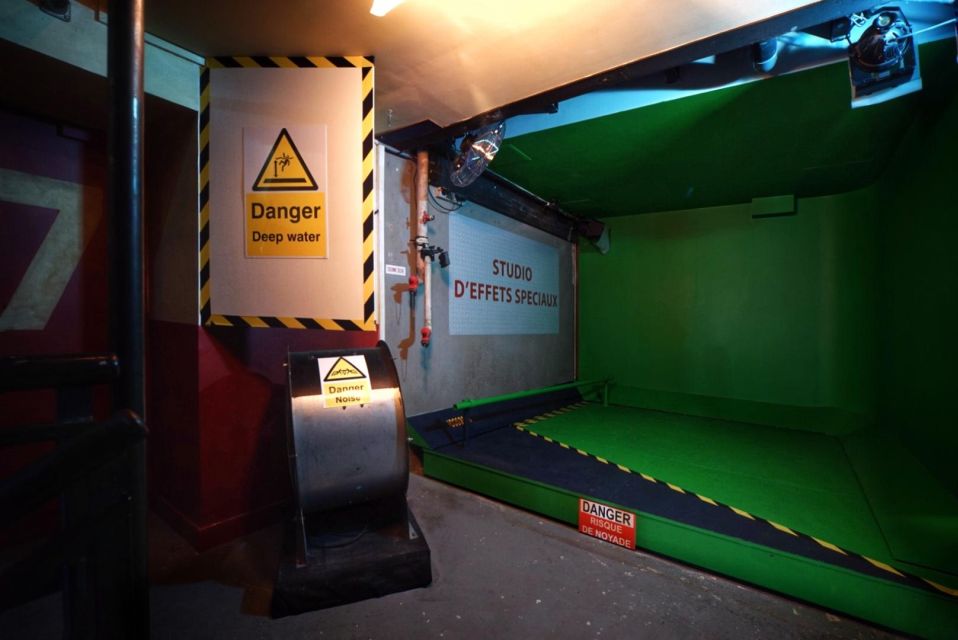
The meeting point is Rex Studios, Paris. Since tours begin every 5 minutes, you’ll want to arrive with enough buffer to find the correct check-in area and get your audio guide ready. Don’t wait until the last minute—Paris schedules move fast, and you don’t want to cut into your 50 minutes.
Also keep in mind the experience isn’t led by a live guide. That makes your own readiness more important. Pick your language early, listen closely, and follow the route without slowing the group down too much.
If you’re planning a tight itinerary, build this as a standalone block. A one-hour attraction pairs well with nearby sights in central Paris, because it has a clear start and finish.
What you’ll learn that actually sticks after you leave
This is the kind of tour where the information isn’t just verbal. It’s tied to what you do in each set. You learn steps of movie-making by seeing the process in stages and being placed in a role that matches that stage.
That matters because it changes how you watch movies later. You start noticing the machinery behind the illusion, the reason behind pacing, and the teamwork that makes scenes look effortless on screen.
It also gives you a better appreciation of the Grand Rex as a venue. The building’s design supports spectacle, and the tour uses that to explain cinema as craft, not just entertainment.
If you like travel that teaches without feeling like homework, this fits.
Should you book the Rex Studios studio tour?
Book it if you want a short, high-energy Paris experience that mixes movie history with hands-on participation. It’s a strong choice for families, film lovers, and anyone who likes interactive attractions that still explain what’s going on.
Skip it if mobility access is a concern, if you have claustrophobia, or if you’re dealing with a pacemaker or pregnancy. Also skip it if you dislike audio-guided formats and would rather have a live guide.
If you’re on the fence, here’s the deciding question: do you want to watch cinema, or do you want to help make the illusion for 50 minutes? If the answer leans toward the second option, you’ll likely have a great time.
FAQ
Do I need a live guide for this tour?
No. The Rex Studios experience is audio-guided. There is no live guide leading you through the tour.
How long is the Behind the Scenes of the Grand Rex studio tour?
It lasts 50 minutes.
What languages are available on the audio guide?
The audio guide is available in English, French, German, Italian, Russian, and Spanish.
Is the tour suitable for children?
Yes. It’s suitable for anyone over age 5.
Is the venue wheelchair accessible?
No. The facility is not accessible for wheelchair users.
What is included in the ticket price?
The admission ticket to Rex Studios is included. Personal purchases are not included.