REVIEW · PARIS
Paris: VR Experience “L’Horizon de Khéops”
Book on GetYourGuide →Operated by Eclipso Paris · Bookable on GetYourGuide
A trip to Giza starts in Paris. L’Horizon de Khéops is a VR adventure where you move freely for 45 minutes inside a 1,000 m² space, then watch the story unfold from the moment the sun rises over the Giza Necropolis. What I like most is the very realistic, high-quality 3D look that makes ancient Egypt feel less like a slideshow and more like a place you can walk through.
I also like how the experience is guided by a virtual guide, so the visuals come with real cultural context instead of just spectacle. The pacing includes a route from the Sphinx to a VIP visit at nightfall at the base of the pyramid, and it even references spaces that are normally closed to the public. One drawback to consider: at 45 minutes in the headset (within a 1-hour total visit), there’s a chance you’ll want more time in the most atmospheric parts of the environment.
In This Review
- Key highlights before you book L’Horizon de Khéops VR
- Why Eclipso Paris feels like Giza in a sci-fi box
- From Giza dawn to a VIP night visit at the pyramid
- Seeing parts of the Giza site that are normally out of reach
- VR quality: realism, 3D, and where this is heading
- Timing and pacing: why the hour can feel short
- Price and value: is $37 worth it in Paris?
- Who this is for (and who should skip)
- Practical tips for making this VR experience work for you
- Should you book L’Horizon de Khéops VR in Paris?
- FAQ
- How long is the VR experience at L’Horizon de Khéops?
- Where does this experience take place?
- What languages are available?
- Is the experience wheelchair accessible?
- Who should not book this VR experience?
- Is free cancellation available?
Key highlights before you book L’Horizon de Khéops VR
- 1,000 m² of free movement in VR, not just a 15-minute look-around
- Giza sunrise to pyramid nightfall storyline, with a clear route and purpose
- A guided virtual guide plus educational details about the site’s tomb culture
- Spaces previously closed to the public shown through VR access
- Strong 3D quality and a realistic look, with room for future tech upgrades
- No kids under 8, plus extra care needed if you have heart problems or epilepsy
Why Eclipso Paris feels like Giza in a sci-fi box
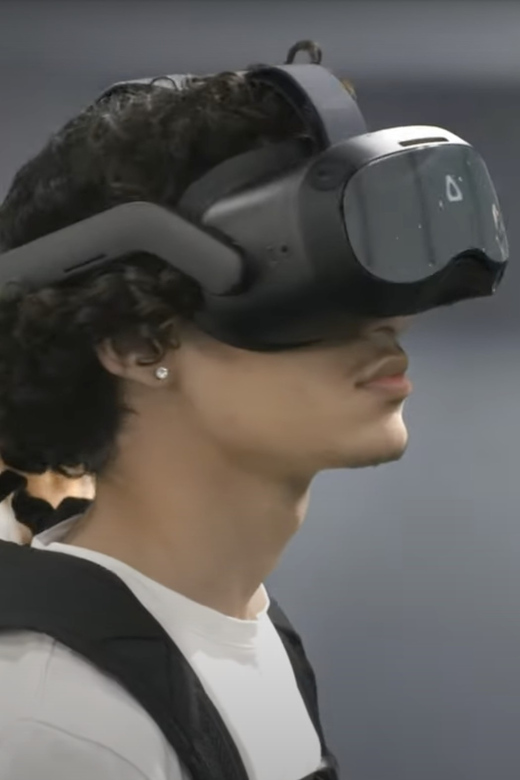
This is run by Eclipso Paris, and the setting matters. Instead of being stuck in one spot with a handheld look-around, you get a 1,000 m² space where you can actually move. That makes a difference. Ancient Egypt works best when you feel your body involved, even if you’re standing in a Paris venue.
The experience is also timed: your total visit is 1 hour, with 45 minutes actually inside the VR activity. That split is useful. You’re not rushed through everything, but you also shouldn’t expect a full evening study session. It’s more like a well-paced show that happens to teach you something.
The tone is educational without getting lecture-heavy. You’re not just watching pyramids from a distance. You’re placed in the story, starting with silhouettes on the plateau as the sun rises, then traveling toward major landmarks like the Sphinx and the Pyramid of Giza.
You can also read our reviews of more tours and experiences in Paris.



From Giza dawn to a VIP night visit at the pyramid
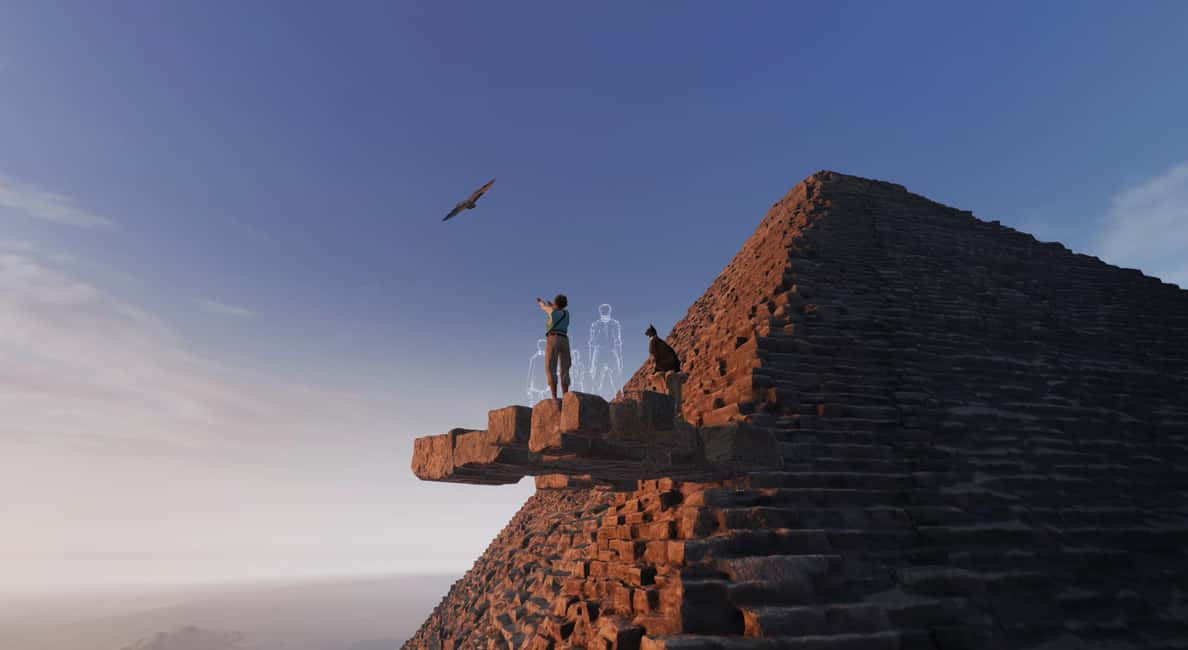
The best part is the way the day changes. The experience begins at sunrise over the Giza Necropolis, home of the three Great Pyramids. You see the mastabas—tombs associated with deceased monarchs’ close circles and families—set into the landscape’s ancient layout.
Then you’re not alone in the scene. You start off as a giant avatar and walk the Giza Plateau in a way that feels like you’re standing at the center of the action. The route is built around escalation: first the approach toward the Sphinx, then the shift toward the foot of the Pyramid of Giza.
What makes the second half feel special is the promised VIP visit at nightfall. The experience doesn’t just repeat the same daylight shots. It changes atmosphere, and that’s where VR can do something museums can’t: lighting and time-of-day become part of the narrative, not just a backdrop.
If you’re the type who loves seeing how something famous works in real space, this storyline gives you a guided “map” for your imagination. You come out more able to picture Giza as a connected site, not isolated monuments.
Seeing parts of the Giza site that are normally out of reach
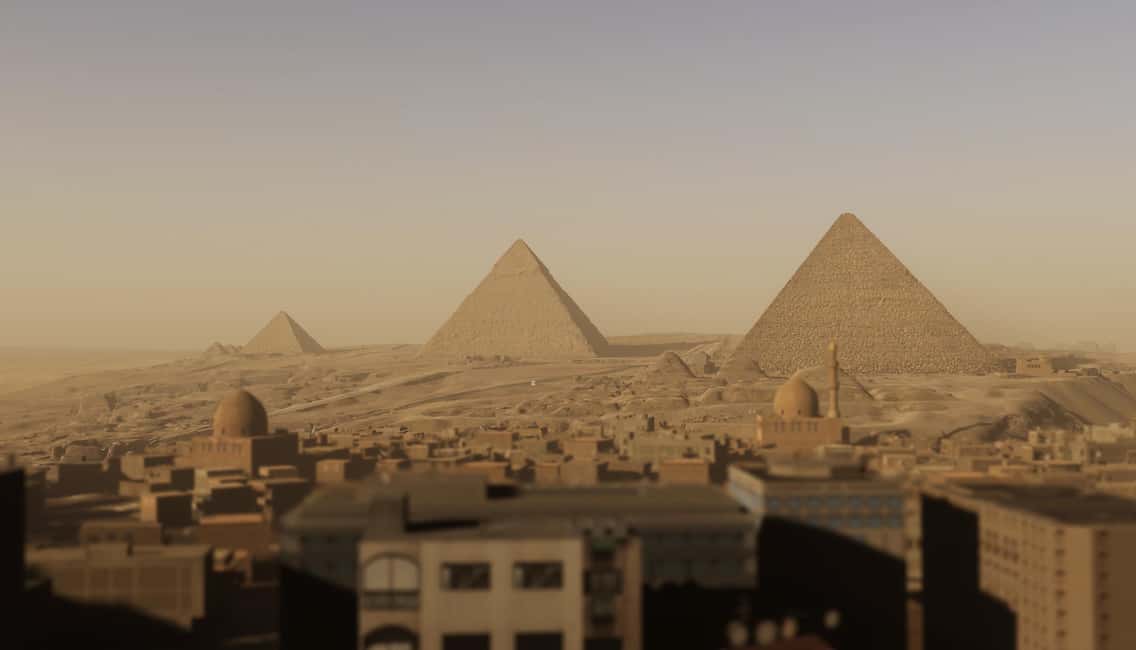
One of the highlights is that the experience shows spaces previously closed to the public. That’s a big deal for two reasons.
First, Giza is crowded and complicated in real life. Even if you’re there early, you don’t automatically get private access to the most intriguing angles or areas. VR can simulate access you’d never get on a standard visit.
Second, it changes how you interpret what you see. When you get a new viewpoint—especially around iconic locations like the Sphinx and pyramid base—you tend to understand the site’s layout more clearly. It’s not about replacing a real trip to Egypt. It’s about making your next visit smarter, with a mental framework already built.
And because this is a guided experience, you’re not left to guess what you’re looking at. You get just enough explanation to connect landmarks to the larger story.
VR quality: realism, 3D, and where this is heading
The reaction to the visuals is consistently positive: the imagery feels amazingly realistic, and the 3D quality is described as good. You should expect a strong sense of presence, not just cartoon shapes.
At the same time, it helps to have realistic expectations. VR tech improves quickly, and one review notes that in a few years the quality will likely be even better. Translation: this is already strong, but the “best version” may still be ahead of us.
So what does this mean for you? If you’re sensitive to blurry visuals or you’ve tried VR experiences that look grainy, this one is a safer bet. The core experience is visual, and feedback suggests the script and cultural framing hold up alongside the technology.
Timing and pacing: why the hour can feel short
You’ll have 1 hour total, and 45 minutes of the active VR portion. That structure is practical for a Paris outing. It fits into your day without swallowing your whole afternoon.
But it also explains why some people would like certain passages to be longer. When an environment feels convincing, your brain naturally wants to linger—especially around the Sphinx area and the transition to nightfall. This experience gives you a strong arc, but it doesn’t stretch into a slow, scenic wander.
My advice: treat it like a “great chapter,” not a full book. If you want deep study time, plan to pair it with museum reading later (or, ideally, a real-world trip to Egypt someday). VR is doing the heavy lifting of context and first-time orientation.



Price and value: is $37 worth it in Paris?
At $37 per person, the value comes down to what you get for that money, not just the price tag.
You’re paying for three things:
- A guided VR story that connects multiple major Giza landmarks (sunrise, Sphinx approach, pyramid base at nightfall)
- Real physical interaction in a 1,000 m² space, which is more active than many VR setups
- Access-style storytelling, including the promise of areas normally closed to the public
For many people, the question isn’t whether VR is fun. It’s whether it’s more than fun. In this case, the educational framing and the quality of the 3D experience seem to be the selling points. Reviews highlight the realism and that the script is enriching and cultural, which usually means you’re not just turning your head and pressing buttons.
If you’re traveling on a tighter budget, compare this to other Paris attractions that also offer a fixed-duration ticket. This has a clear “finish line,” and you’ll likely leave feeling you did something distinct, not just another indoor stop.
Who this is for (and who should skip)
This activity has clear suitability notes, and I’m glad they do.
Not suitable for:
- Children under 8
- People with heart problems
- People with epilepsy
That matters because VR can be intense, even when it’s well designed. If you’re in any category above, respect it. Don’t try to power through for the sake of an itinerary.
On the other hand, it’s wheelchair accessible, which is a real plus. If mobility is a concern, you’ll want to choose the setup that works best with your comfort level in VR movement, but the accessibility note means it’s at least designed with real visitors in mind.
Language options are also helpful: the host/greeter supports French and English, and the experience languages are listed the same way.
Practical tips for making this VR experience work for you
Here are a few tips that keep things smooth without turning your day into prep work.
- Plan for motion. Even though you’re standing in Paris, you’re moving in the VR space, so wear shoes that feel stable and comfortable.
- Go in curious, not skeptical. If you’re expecting a video game, you may miss the point. The value here is the guided route and the time-of-day storytelling.
- Aim to be rested. This is not a marathon, but VR can be mentally tiring. If you’ve been walking all day, consider scheduling it when you’re still fresh.
- Keep it as a cultural add-on. Think of it as building a mental map of Giza so your next Egypt encounter makes more sense.
If you’re coming with kids older than 8, remember that the experience is still VR-focused. It’s best for people who enjoy stories and visuals more than those who want a traditional live museum tour.
Should you book L’Horizon de Khéops VR in Paris?
Book it if you want a high-quality, guided VR experience with real educational framing and strong visuals. It’s especially good for first-timers to Giza themes, because the route (sunrise, Sphinx, then pyramid base at night) helps you understand the site as a whole.
Skip it if VR safety is a concern for you personally, or if you dislike motion-based attractions. Also consider it might feel short if you’re the type who always wants more time at the most scenic moments.
If your schedule allows, this is one of those Paris tickets that doesn’t feel like a generic indoor activity. It’s a focused hour built around a landmark story, with 3D realism and a guided path that makes Giza easier to picture long after you take the headset off.
FAQ
How long is the VR experience at L’Horizon de Khéops?
The total visit is listed as 1 hour, with a 45-minute virtual reality experience.
Where does this experience take place?
It’s located in Ile-de-France, France, and the provider is Eclipso Paris.
What languages are available?
The experience is available in French and English.
Is the experience wheelchair accessible?
Yes, it is wheelchair accessible.
Who should not book this VR experience?
It is not suitable for children under 8, people with heart problems, and people with epilepsy.
Is free cancellation available?
Yes. You can cancel up to 24 hours in advance for a full refund.