REVIEW · PARIS
Paris: Normandy D-Day Sights Day Trip with Hotel Transfers
Book on GetYourGuide →Operated by ParisCityVision · Bookable on GetYourGuide
D-Day landings, in one hard day. This day trip from Paris puts you in the places where Europe’s course changed, with an English live guide and time at the key sites along the Normandy coast. I especially like the scale and calm of the American Cemetery at Colleville-sur-Mer, and I also appreciate the practical stop in Arromanches for lunch and a look at the artificial port. The main drawback to consider: time can feel tight, and the exact pick-up or drop-off experience can vary depending on where you’re released back in Paris.
You’ll ride in an air-conditioned coach through the French countryside, then spend the daylight walking, looking, and asking questions. On longer travel days, traffic can stretch the day beyond the advertised window, so plan a relaxed evening back in Paris.
In This Review
- Key things you’ll notice on this Normandy D-Day trip
- A Full Day of Normandy’s Turning Point from Paris
- Getting From Your Paris Hotel to the Coach (and what to confirm)
- The American Cemetery at Colleville-sur-Mer: where scale does the talking
- Omaha Beach without the overwhelm: walk, look, and ask questions
- Arromanches: the lunch break that teaches you something
- Juno Beach and the Canadian connection (a short stop with a purpose)
- The coach ride: comfort helps, and timing can shift
- Guide quality makes the difference (and how to get the most out of yours)
- What the stop content teaches beyond the beaches
- Price and value: is $265 a smart use of your time?
- What to pack and how to stay comfortable
- Who should book this tour (and who might skip it)
- Should you book? My decision rule
- FAQ
- What locations does this day trip cover?
- Does the tour include hotel pickup?
- Is lunch included?
- Will I be dropped back at my Paris hotel?
- How long is the trip?
- What language is the guide?
- What should I bring?
- Are pets allowed?
- Is smoking allowed?
- Is the tour accessible for people with reduced mobility?
- Is free cancellation available?
Key things you’ll notice on this Normandy D-Day trip
- Hotel pickup from Paris (75000) helps you start without wrestling transit
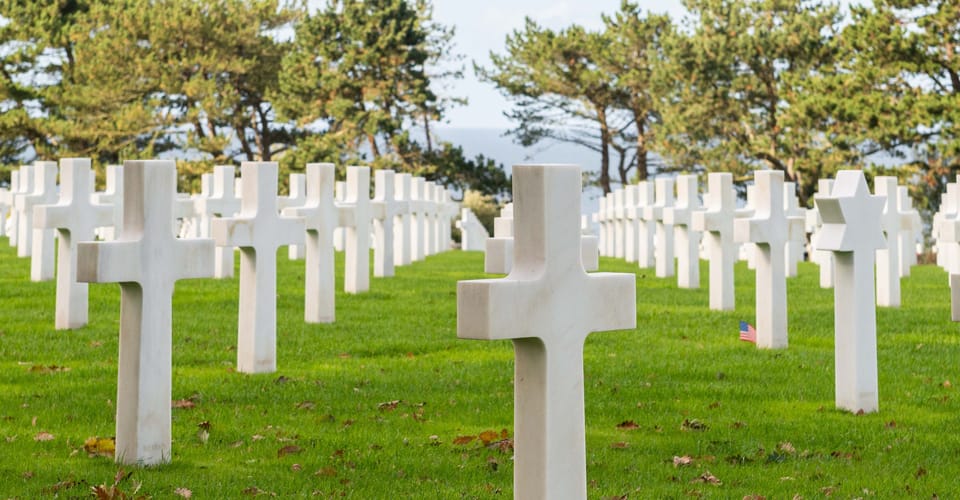
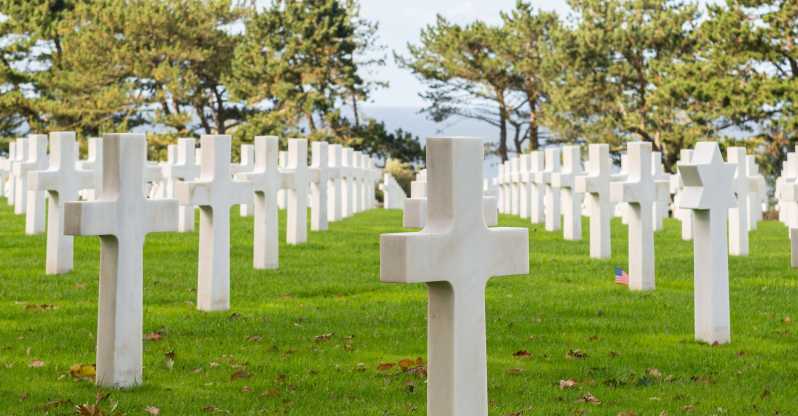
- American Cemetery scale: 170 acres and 9,387 white marble headstones
- Omaha Beach access with a guided trail that links memory to terrain
- Arromanches free time for lunch plus the Phoenix port remains still visible in the water
- A short Juno Beach stop and its nearby cemetery for Canadian involvement
- Guides like Camile and Zoltar can run tight timing with room for questions
A Full Day of Normandy’s Turning Point from Paris
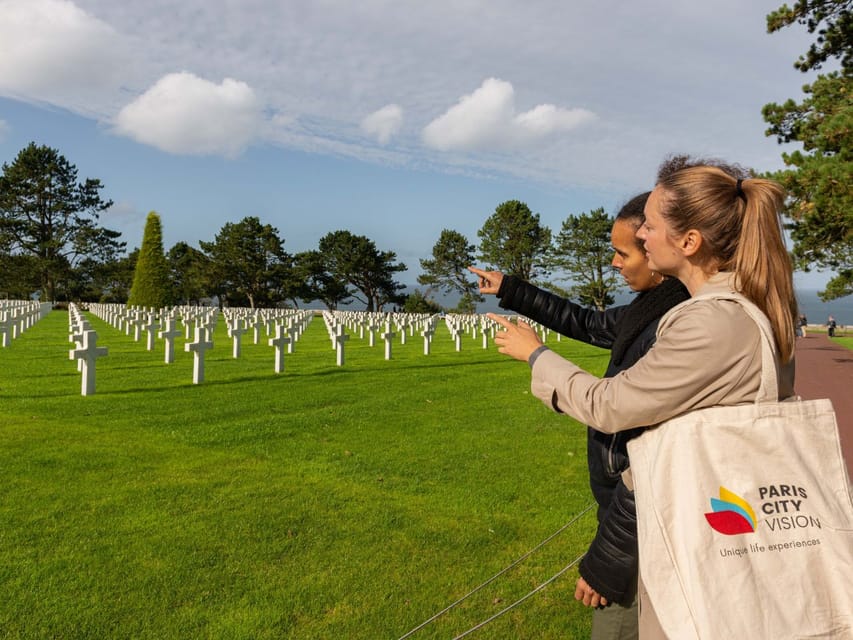
This is a straight-to-the-point day: Paris to the D-Day beaches, guided stops, and back to Paris with enough time to keep your evening flexible. The big value here is that you’re not doing Normandy logistics on your own. You get door-to-meeting-point simplicity (pickup is included in the 75000 area), an air-conditioned coach, and an on-board guide to connect the dots between geography and the human story.
What you should understand going in: this trip is about seeing key places, not spending hours at every single memorial. A few people find the pace a little quick at certain stops. If you’re the type who wants unhurried time to read every plaque and soak up each view, you may need to mentally budget for short, purposeful visits.
Also, be realistic about timing. Even with a smooth morning, traffic on the way back can add a lot of time. It’s worth planning a low-stress dinner after you return.
You can also read our reviews of more tours and experiences in Paris



Getting From Your Paris Hotel to the Coach (and what to confirm)
Pickup is included if you’re in the 75000 zip code area, and you share your address so the operator can arrange pickup. That’s a win for convenience. It also means you should double-check the pickup details before you go, especially if your voucher wording sounds like it should return you to the exact same spot.
One common snag is the difference between pickup and drop-off. Hotel drop-off is listed as not included, so you should expect to be returned to Paris in a practical way (not necessarily your front door). If you’re staying near the departure area, you might get lucky with a short walk. If you’re farther out, you may need a taxi or metro connection.
Quick practical move: message the operator with your hotel name and full address, and ask where you’ll end in Paris. Clear expectations = a calmer day.
The American Cemetery at Colleville-sur-Mer: where scale does the talking
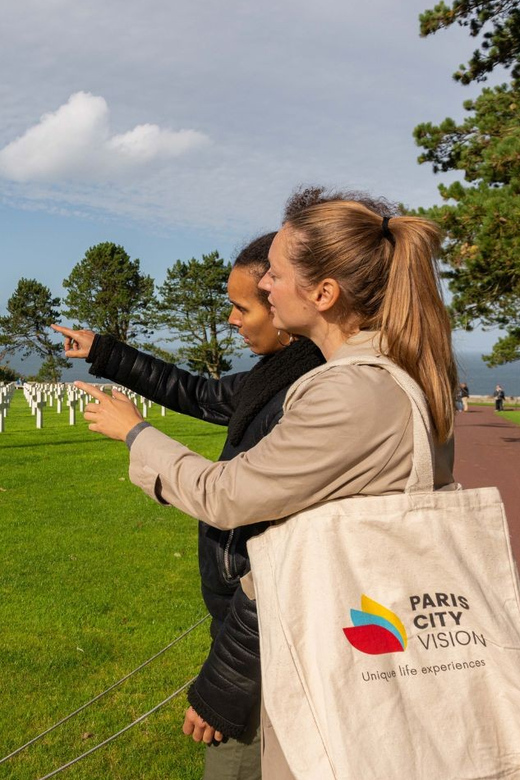
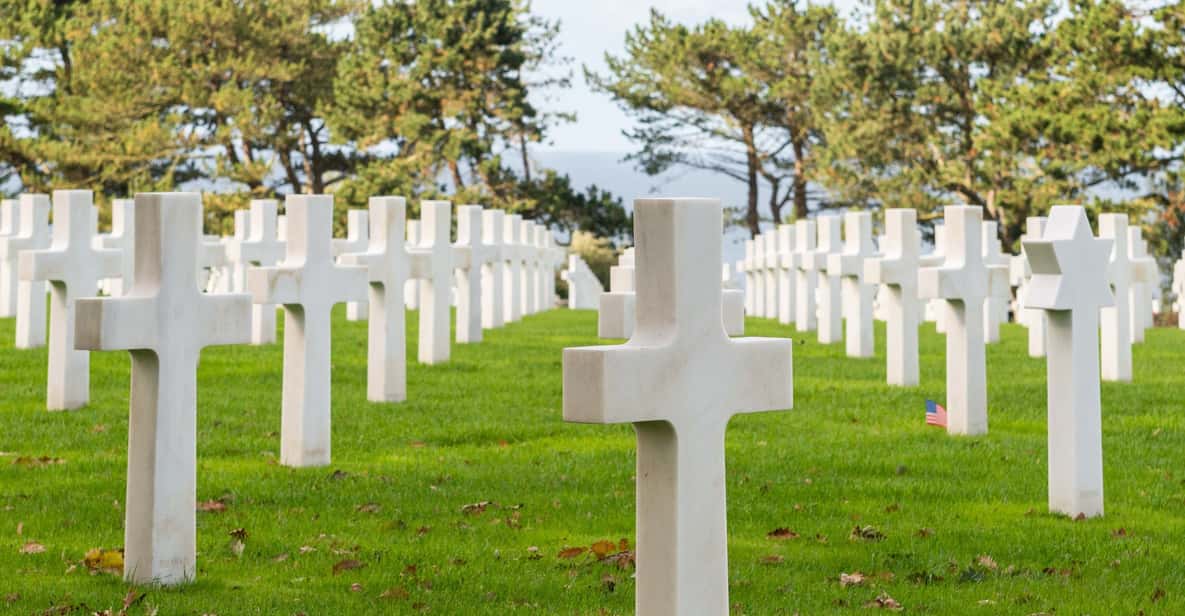
The American Cemetery at Colleville-sur-Mer is the centerpiece stop for many people, and for good reason. It covers 170 acres and is arranged with 9,387 white marble headstones lined across the grass. You also get key memorial spaces: a memorial, a chapel, and the Garden of the Missing.
I like this stop because it doesn’t rely only on dramatic scenery. It’s quiet, orderly, and easy to understand even if your French is limited. You can move at your own pace while the guide anchors the bigger picture—how this location fits into the landing and the aftermath.
There’s also a small trail that takes you toward Omaha Beach. That matters. It links the “where they fought” part of history to what you can physically see on the ground. Walking that link helps your brain hold both the names on the hill and the shoreline in one frame.
Two small comfort tips: wear comfortable shoes (you’ll be walking on paths and grass), and bring a light layer. Cemeteries can feel cooler than the road nearby, especially with sea air.
Omaha Beach without the overwhelm: walk, look, and ask questions
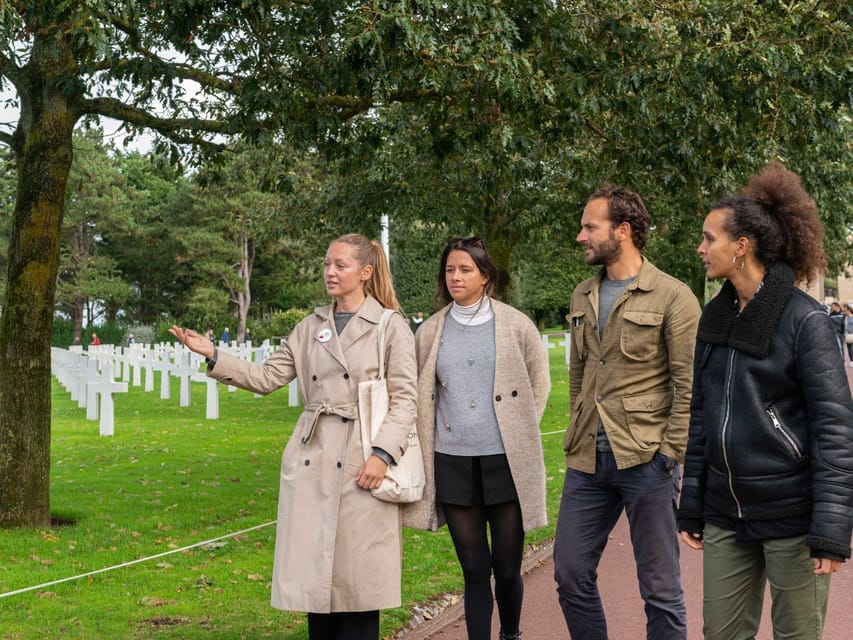
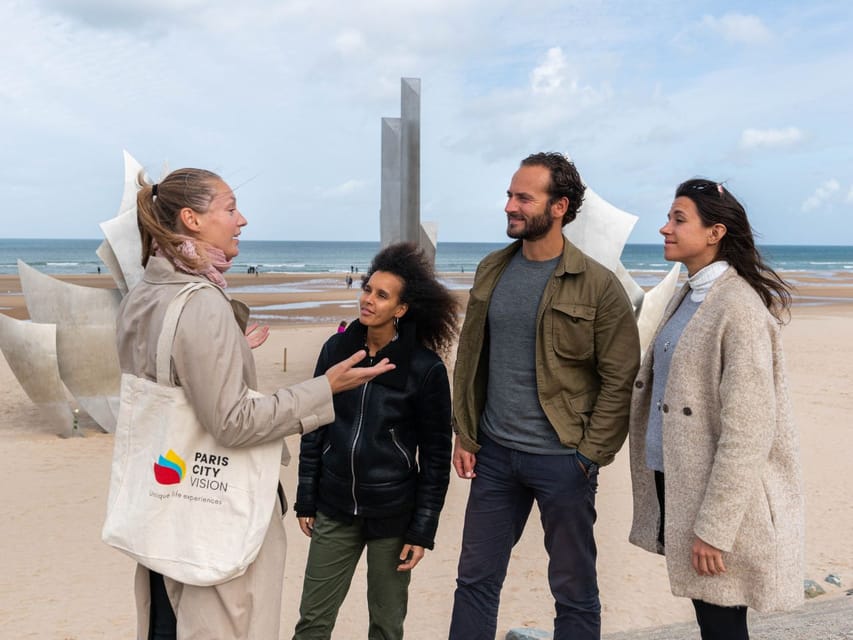
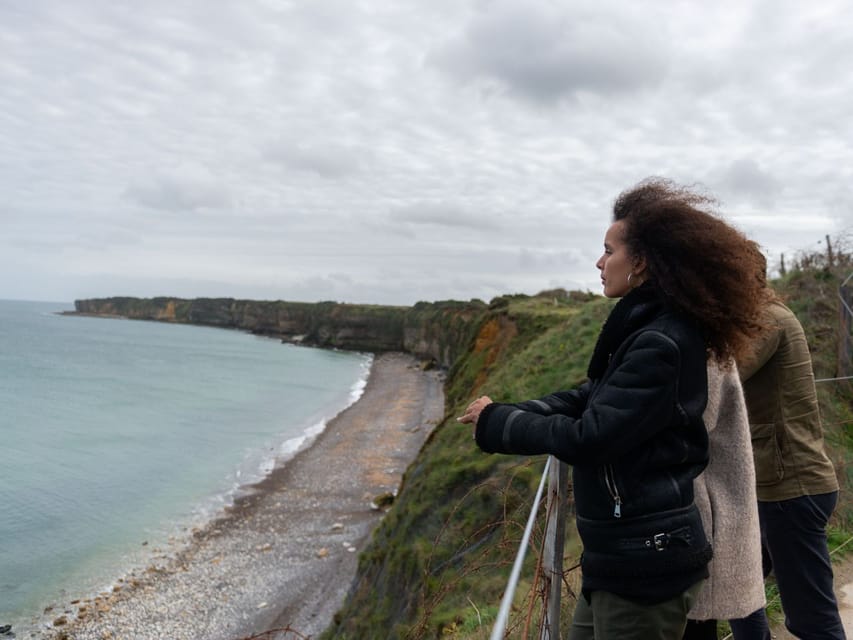
After the cemetery, you head to Omaha Beach. The tone changes fast—from the structured silence of the cemetery to the open, exposed coastline. Omaha is famous, but it’s also easy to misunderstand if you just look from the outside.
This is where a good guide makes a difference. If your guide gives clear explanations (and helps you connect terrain to tactics), you’ll leave with a stronger sense of how the fighting unfolded. If the commentary feels thin, you can still make the stop meaningful by asking focused questions like:
- Where were troops concentrated, and why there?
- How did the coastline shape the landing?
If you want to “complete the map” of other Utah-area beaches as well, don’t assume they’re reachable from Omaha on foot or even by the same day plan. Utah is farther and a different area. This tour is built around the specific stops it includes, so if you’re chasing Utah too, you’ll need an additional outing.
Omaha’s emotional impact is real. Still, don’t skip the practical layer: pace yourself, hydrate, and don’t try to rush through the whole shoreline view in one go.
Arromanches: the lunch break that teaches you something
Arromanches is more than a convenient stop. It’s a historic town tied to the engineering that kept the Allied push moving after the landings.
The big hook is the artificial port. On D-Day, the harbor supported the unloading of almost 10,000 tons of equipment. You can still make out Phoenix constructions—floating reinforced concrete structures—in the water. That’s the kind of detail that turns a beach town into a living piece of the operation.
This stop also includes free time for lunch. That’s a real quality-of-life benefit. It means you’re not forced into a pre-set meal or eating while standing. You can walk around, grab something local, and decide how much time you want to spend looking at the waterfront.
One thing to keep in mind: if timing is running tight, your free time may feel shorter than you’d like. Still, even a compact Arromanches break gives you the port context that many visitors miss when they only focus on the beaches.




Juno Beach and the Canadian connection (a short stop with a purpose)
This day trip includes a visit to Juno Beach, but it’s not built as a long, linger-for-hours kind of stop. Expect a shorter look near the beach and its cemetery, timed into the overall route.
That said, the Canadian angle is powerful. Juno was one of the key landing beaches for Canadian troops on June 6, 1944. Even in a brief visit, the place helps you understand that D-Day wasn’t one unit, one country, one uniform experience—it was many forces with overlapping roles.
If you’re Canadian and booked partly for Juno, you may want more time than you get. One way to get value from the shorter stop is to use it for the essentials: read what you can, take in the cemetery setting, and ask the guide what makes this sector distinct.
Also, remember this is a day trip from Paris. You’re balancing multiple stops, so Juno gets time, but not the same attention as the American Cemetery.
The coach ride: comfort helps, and timing can shift
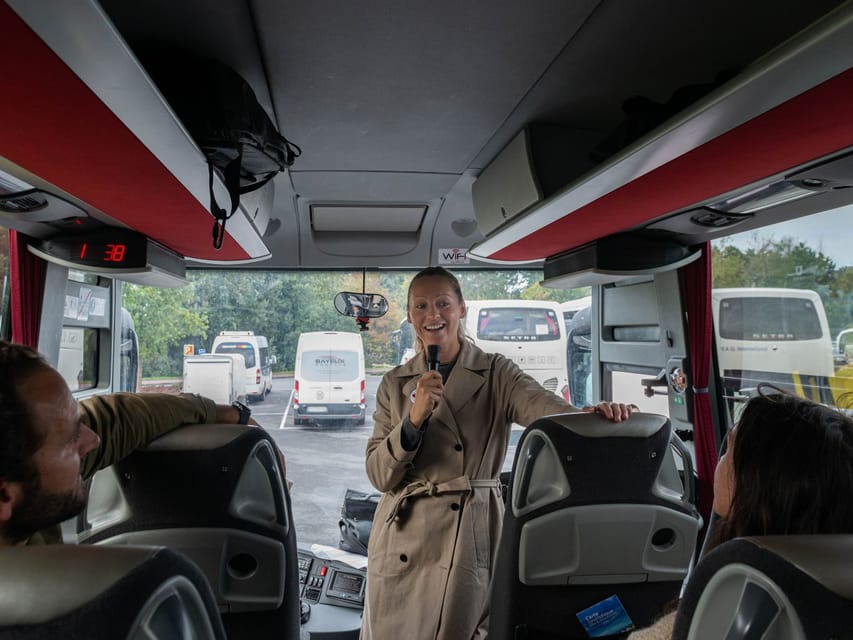
You travel in an air-conditioned coach, which is a big plus in summer and also helpful on any day when the wind off the coast makes everything feel colder. The ride is part of the experience because you get time to listen, look out at changing scenery, and settle into the day’s tone.
However, comfort details can matter. There have been moments where ventilation being closed led to an unpleasant smell from the lavatory. And on at least one day, the restroom wasn’t usable when that happened. If you’re sensitive to odors, plan for that reality and consider packing a small personal item like tissues or wipes.
Timing is the bigger variable. Traffic incidents can add at least an hour on the way back. If you like hard, predictable schedules, pick a day with no major evening commitments after the return.
Guide quality makes the difference (and how to get the most out of yours)
The tour’s reviews show a clear pattern: when the guide manages pacing well and answers questions clearly, the day feels meaningful and smooth. When commentary feels minimal or the stops feel rushed, the same itinerary can feel less rewarding.
You might be guided by someone like Camile or Zoltar—both names show up with praise for being easy to ask questions and for running the day on time. Even if your guide isn’t a names-you-recognize type, you can still improve your experience quickly by participating.
A simple strategy: at the start of each stop, ask one question you care about. Then when the guide speaks, you’ll link facts to your own curiosity instead of just collecting dates.
If your guide gives short commentary, supplement with observation. Notice how the cemetery is organized. Notice how the shoreline shapes visibility. Then ask, in your own words: what am I supposed to notice here?
That turns any guided day into a personal learning moment.
What the stop content teaches beyond the beaches
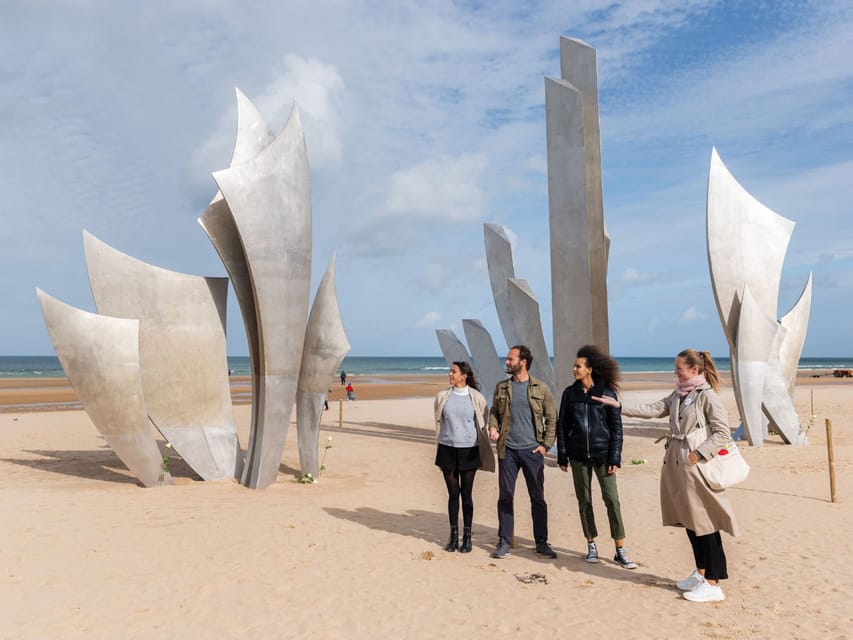
This isn’t just a beach-and-bunker sightseeing run. The experience includes chances to see everyday objects from life under occupation, plus maps and models of military vehicles. There can also be film screenings that recreate the emotions and context of D-Day and the Battle of Normandy.
Why that matters: beaches alone can feel abstract. Objects and models give your brain something concrete to hold onto. Maps and vehicle models help you visualize how movement and terrain worked together. And short films help you feel the scale without needing a documentary marathon.
When you leave a day like this, you want more than “I stood where it happened.” You want a sense of cause and effect: what led to the landings, what happened when they began, and why follow-through mattered.
Price and value: is $265 a smart use of your time?
At $265 per person for about 10 hours, you’re paying for three things: transportation, guidance, and a guided structure that saves you from building a Normandy day from scratch.
Is it good value? It can be, especially if you:
- Don’t want to drive in France or manage transfers
- Want multiple key sites in one day
- Prefer a guided connection between geography and history
But the price also sets a standard. If you’re expecting a slow, museum-style pacing at every stop, or if drop-off convenience is a top concern for you, this can start to feel pricey. The most likely “value mismatch” comes from two factors you can anticipate: shorter site time and the non-guaranteed return to your exact hotel.
My practical take: if your priority is a first-time Normandy overview with guided context, this is a reasonable way to spend a day. If your priority is deep time at one or two locations, you may get more satisfaction from a smaller, more flexible itinerary.
What to pack and how to stay comfortable
Keep it simple:
- Comfortable shoes. You’ll be walking and moving between memorial and shoreline areas.
- A light layer. Coastal air can cool things down, even if Paris is warm.
- Patience. If there’s an accident on the road home, your schedule may slip.
One more small note: pets aren’t allowed, and smoking isn’t permitted. It’s a standard expectation, but it’s worth knowing.
Who should book this tour (and who might skip it)
This day trip is a solid fit if you’re:
- First-timers to Normandy who want the major D-Day sites
- People who like an organized plan with a live English guide
- Travelers who value hotel pickup within the 75000 area code
It’s less suitable if you:
- Need exact hotel drop-off or a door-to-door routine
- Want long, unhurried time at each site
- Have mobility impairments. The tour isn’t available for persons with reduced mobility based on the provided information.
If you’re traveling with tight scheduling and you want a high-impact overview, this is the kind of outing that can make the past feel real—quickly, and without the stress of planning.
Should you book? My decision rule
Book it if you want a guided, time-efficient D-Day overview that includes the American Cemetery, Omaha Beach, Arromanches, and Juno Beach in one day. The American Cemetery’s scale and the port story at Arromanches are strong reasons by themselves.
Skip it (or consider a different style of tour) if you hate schedule pressure, need long time at memorials, or strongly depend on being returned to the exact hotel where you started.
If you do book, message your hotel address clearly and confirm where you’ll be dropped in Paris. That one step can protect your whole day from avoidable stress.
FAQ
What locations does this day trip cover?
It includes stops at the American Cemetery at Colleville-sur-Mer, Omaha Beach, Arromanches (with free time for lunch), and Juno Beach.
Does the tour include hotel pickup?
Yes, pickup is included for hotels in the 75000 area code in Paris. You need to share your hotel name and address to arrange pickup.
Is lunch included?
No. Lunch isn’t included, but you’ll have free time in Arromanches to get lunch.
Will I be dropped back at my Paris hotel?
Hotel drop off is not included. You should expect to return to Paris, but not necessarily to the exact same hotel.
How long is the trip?
The duration is listed as 10 hours. Start times depend on availability.
What language is the guide?
The live tour guide is in English.
What should I bring?
Wear comfortable shoes.
Are pets allowed?
No, pets are not allowed.
Is smoking allowed?
No, smoking is not allowed.
Is the tour accessible for people with reduced mobility?
No. The tour is not available for persons with reduced mobility.
Is free cancellation available?
Yes, you can cancel up to 24 hours in advance for a full refund.