REVIEW · PARIS
Paris: Côté Seine Tour – Riverside Tour
Book on GetYourGuide →Operated by PARIS-TUKTUK Service Paris transports · Bookable on GetYourGuide
Tuk-tuk along the Seine feels like Paris homework. In just 90 minutes, you get a smart route past major icons like Notre-Dame and the Eiffel Tower viewpoints, with a guide live in French or English. I also like the private-group setup (1 to 6 people per tuk-tuk) because it keeps the pacing relaxed and the questions coming.
The main thing to consider: this is a guided sightseeing ride focused on what you can see from the streets and quays. If you’re hoping for lots of time inside big-ticket sites, you’ll want a separate plan alongside this tour.
In This Review
- Key highlights worth marking on your map
- How the Côté Seine route stays efficient (90 minutes, lots of Paris)
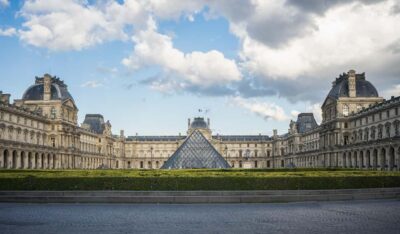
- From Place de la Concorde to the Louvre Carrousel: the ride’s opening arc
- Notre-Dame on Île de la Cité: what to notice beyond the headline
- Quays past Musée d’Orsay and Invalides: the Seine as your guide
- Trocadéro forecourt to the Champs-Élysées: Eiffel Tower and the finish line
- Nass and your live guide: how the human touch improves a short ride
- Price and value: is $258 per group worth it?
- Should you book the Paris Côté Seine Tour?
- FAQ
- How long is the Côté Seine Tour?
- Where is the meeting point?
- How many people can ride in one tuk-tuk?
- What’s included in the price?
- Are food and drinks included?
- Can I cancel, and can I pay later?
Key highlights worth marking on your map
- Start at Place Vauban (in front of the Dome des Invalides) and end near the Arc de Triomphe on the Champs-Élysées
- 1 to 6 people per tuk-tuk, so your group stays small and the ride feels personal
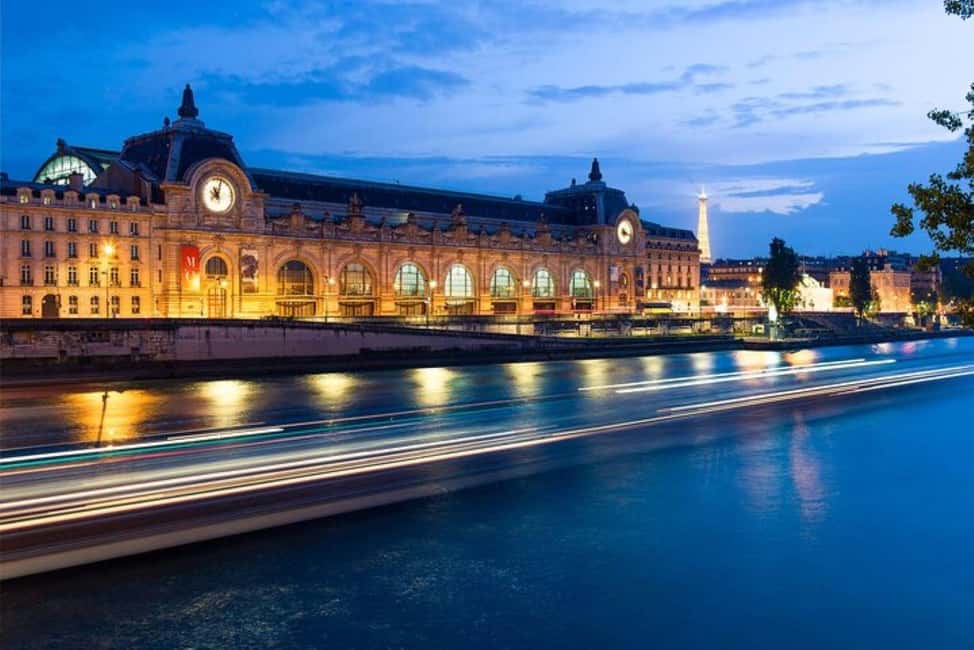
- A river-focused route past the quays, with key stops like Musée d’Orsay and the Esplanade des Invalides
- Notre-Dame on Île de la Cité from the outside viewpoints, tied to the setting and significance
- Trocadéro forecourt for a classic Eiffel Tower sightline
- Live guide in English or French, with a route that covers big landmarks plus practical orientation
How the Côté Seine route stays efficient (90 minutes, lots of Paris)
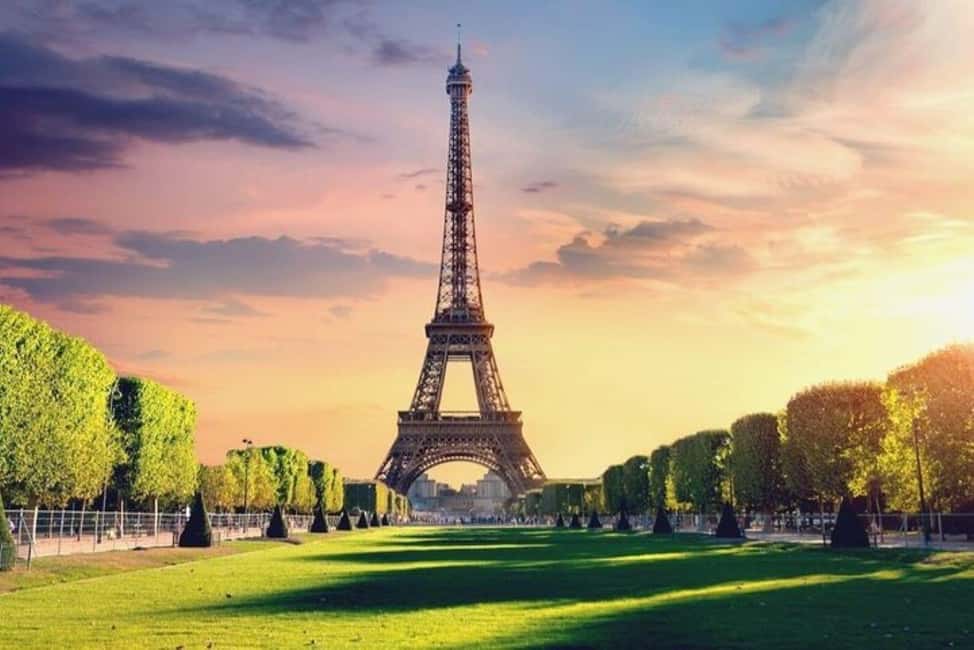
This Côté Seine Tour is built for people who want the Paris “greatest hits” without spending half a day between tickets, lines, and walking fatigue. The format is simple: you ride a tuk-tuk along the Seine, stop where it matters for views and context, and finish in a high-energy area you can easily keep exploring on foot.
The route also makes sense geographically. You start on the left-to-right flow of central Paris: Place de la Concorde, then the Carrousel du Louvre, and you keep moving toward the river’s main showpieces. From there, the tour tracks along the quays past major landmarks and lands you at two of the best “Paris postcard” viewpoint zones: Trocadéro for the Eiffel Tower and the Champs-Élysées end stretch near the Arc.
If you like getting your bearings fast, this is a solid first-or-second day kind of activity. And because it’s a private group, it’s easier to match the pace to how you like to travel—slow for photos, or quicker for getting from highlight to highlight.
You can also read our reviews of more tours and experiences in Paris.


From Place de la Concorde to the Louvre Carrousel: the ride’s opening arc
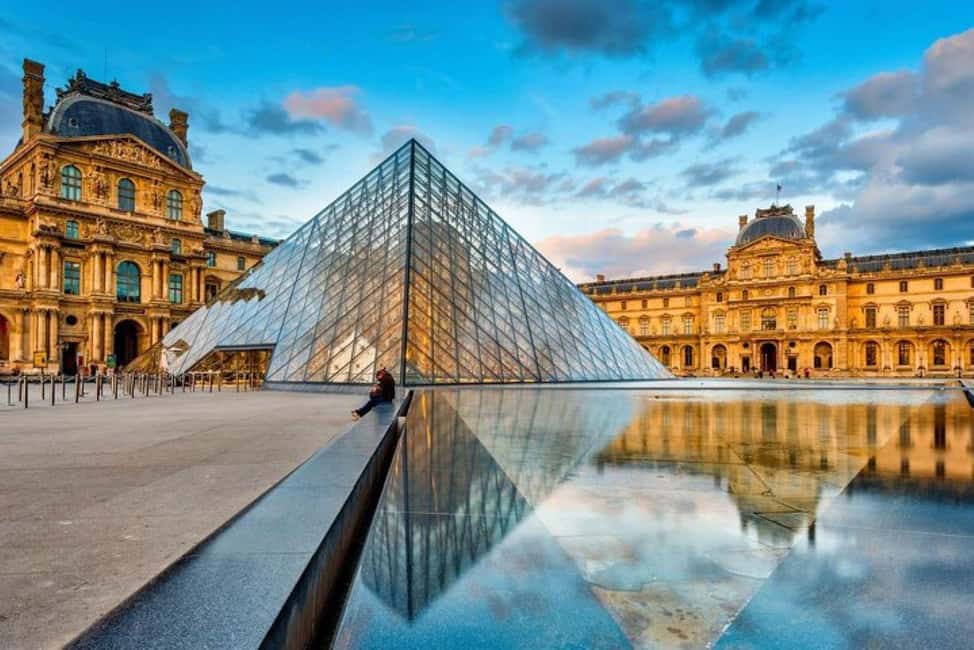
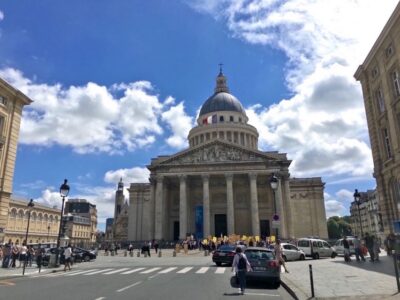
Your tour meeting point is Place Vauban, 75007 Paris, right in front of the Dôme des Invalides. That matters because it puts you near a central “hub” area, and it also means you’re starting with the river already within easy reach.
The ride begins at Place de la Concorde, one of the most dramatic squares in central Paris, and it sets the tone right away: you’re not wandering around in a patchwork of streets—you’re moving along the big lines of the city. From there, you head toward the Carrousel du Louvre, a stretch that helps orient you to the scale of the Louvre area without needing to commit to a museum visit.
What you’re really getting in this opening segment is orientation. You learn how the river runs through the city’s most famous quarters, and you start seeing how different landmark clusters connect. It’s also a nice warm-up for the rest of the tour, because the early stops are visually strong and easy to understand, even if you’re not a deep-architecture person.
Tip: if you’re traveling with cameras, this is a good moment to do your first round of “overhead framing.” The view lines across central Paris set you up for better photos later at the viewpoints.
Notre-Dame on Île de la Cité: what to notice beyond the headline
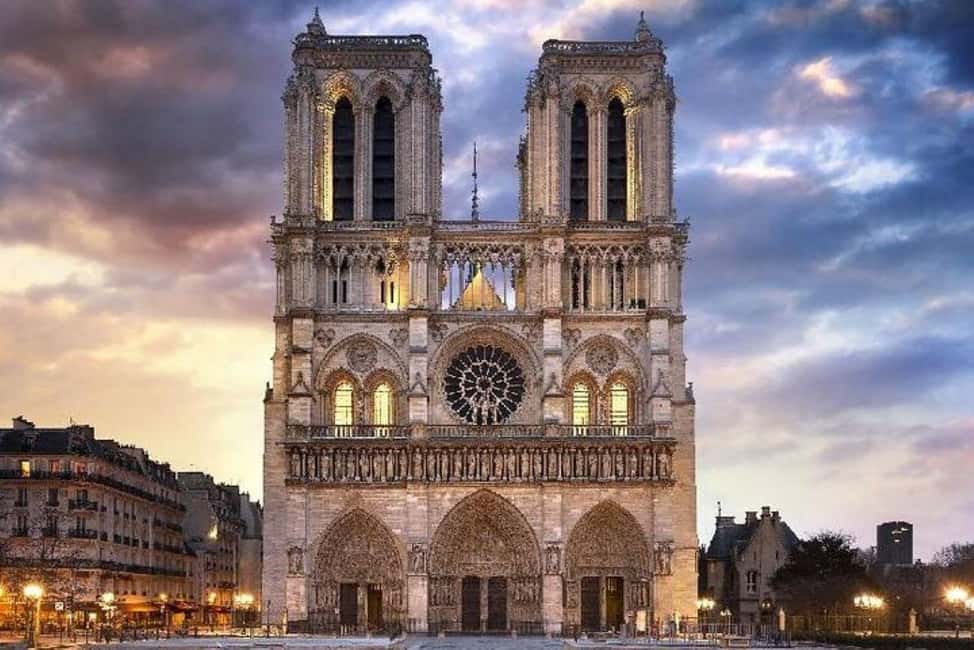
One of the best stops on the route is Notre-Dame de Paris on Île de la Cité. Even if you’ve seen photos before, it’s one of those places where seeing it in real size changes how it lands. The tour brings you to the area in a way that feels connected to the river rather than like a detached sightseeing stop.
What makes this stop valuable is the context. Instead of only naming the building, your guide helps you understand why the location matters—why the cathedral’s setting on the island of the Seine has shaped how people experience Paris. You also get a better sense of how the river side influences sightlines, crowd flow, and the way the city frames its most famous architecture.
There’s also a practical upside. This tour approach helps you avoid the “Where do I even stand?” confusion. You’re guided to the right areas so you can view Notre-Dame without spending time hunting for a spot that works.
One consideration: because the tour is 90 minutes total, you should expect viewpoints and explanation more than long photo sessions or indoor time. If you want time inside, I’d plan that separately—this is best used to get the story and the street-level perspective first.
Quays past Musée d’Orsay and Invalides: the Seine as your guide
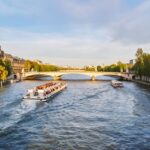
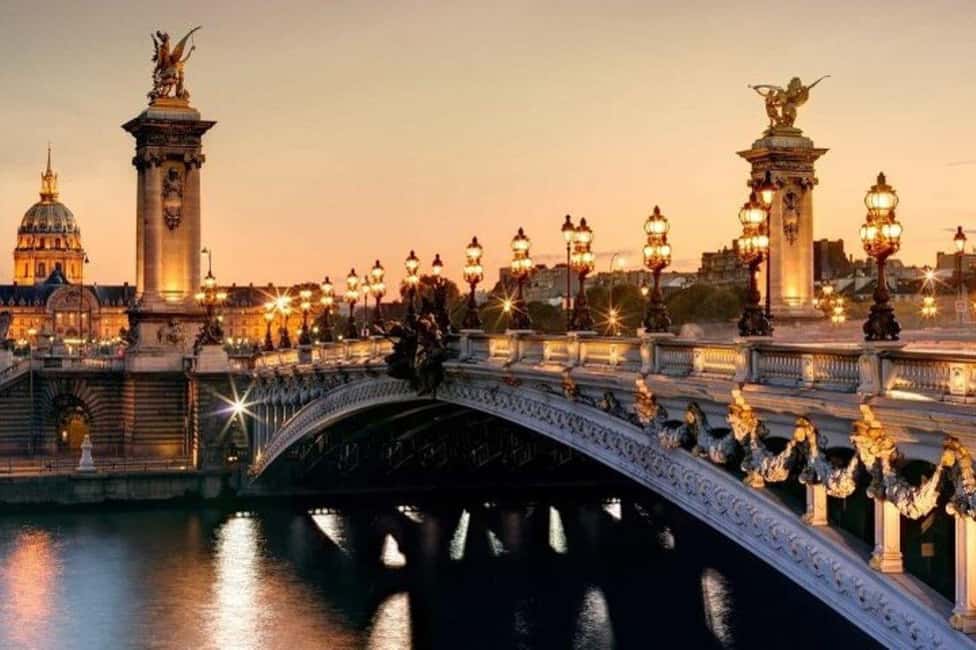
After Île de la Cité, the tour shifts into “river mode.” You follow the quays, where Paris feels linear and readable: buildings, bridges, and museum facades line up along the water like chapters in a book.
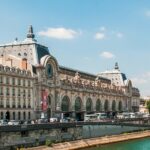
Two named stops stand out here: Musée d’Orsay and the Esplanade des Invalides. Even if you don’t plan to enter either place, the tour is useful because it helps you see them as part of a bigger visual sequence. Orsay is a big cultural marker, and being able to recognize it from the river makes your later exploring easier. Invalides, meanwhile, gives you another major anchor point, and the esplanade area helps you understand the scale of this side of central Paris.
I like this section because it’s where the Seine starts to feel less like a river and more like the city’s organizing system. You’ll notice how bridges and embankments shape movement, and you’ll get a better sense of where you are relative to major neighborhoods.
Photo tip: if the light is kind, the quay segment is excellent for reflections and layered city shots. Move slowly and let the guide set the rhythm—this is the kind of route where stopping at the wrong moment can ruin the angle.
Trocadéro forecourt to the Champs-Élysées: Eiffel Tower and the finish line
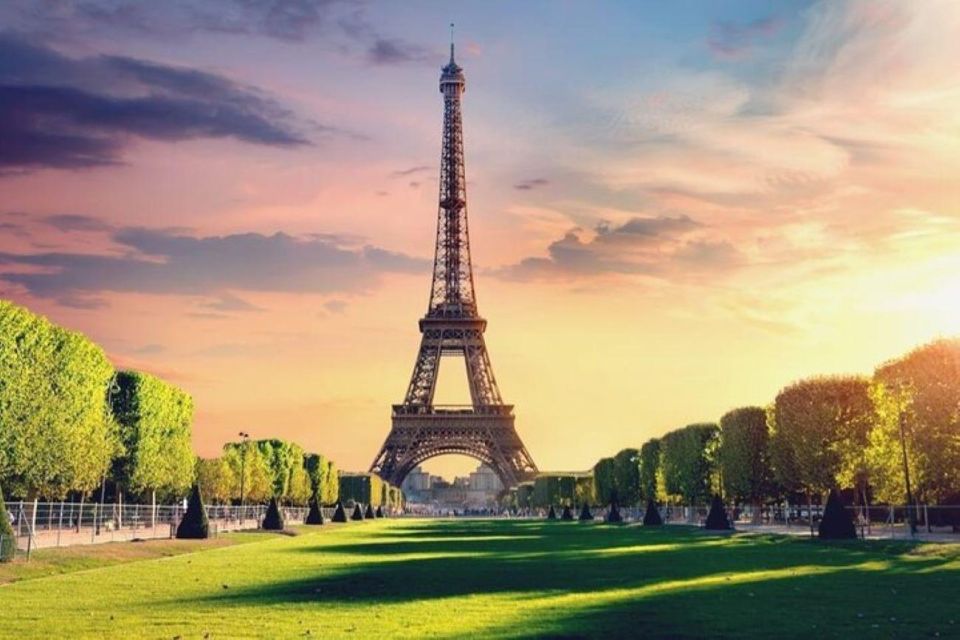
The tour’s big viewpoint payoff comes at the Trocadéro forecourt, where you get a breathtaking view of the Eiffel Tower. This is the classic “big reveal” moment, and for good reason. Standing in that area changes your sense of proportion: the Eiffel Tower stops being a distant photo object and becomes a real structure in a real urban setting.
From there, the tour moves toward the finish. It concludes near the Arc de Triomphe, on the world-famous Champs-Élysées. That ending is smart because it’s not a dead end. Once you’re dropped off near the Arc area, you can keep going: walk, grab a bite nearby, or connect to other sights without having to backtrack.
If you’re trying to balance must-sees with sanity, this ending works well. You end at a big, central promenade zone that’s easy to navigate. It also gives you options for where to go next depending on your energy level.
Small bonus: this finish spot is ideal for planning a later evening stroll. The Champs-Élysées area is the kind of place that feels different at night, and you’ll already have the route memory from earlier in the tour.
Nass and your live guide: how the human touch improves a short ride
This tour is driven by a live tour guide available in French and English, and the best feedback highlights how much the guide adds beyond the landmarks themselves. One guide name that comes up in strong reviews is Nass, praised for showing parts of Paris people often miss and for keeping the tour engaging and easy to follow.
That kind of guidance matters on a short 90-minute schedule. In less time, you don’t want a script that only says the obvious. You want help noticing details you’d otherwise skip: why a spot exists, what you’re looking at from a specific angle, and how the city’s layout connects the stops.
Also, private group tours help here. If your group has questions—about where to walk next, what you’re seeing, or how the areas connect—you’re not competing with a large crowd. You can ask, listen, adjust your pace, and still finish the loop without feeling rushed.
If you want one practical mindset: treat this tour like a navigation lesson. The goal isn’t only photos; it’s building a mental map so the rest of your Paris day becomes easier.
Price and value: is $258 per group worth it?
The price is $258 per group (up to 6 people) for 90 minutes. That sounds steep if you’re thinking per person, but the math changes fast when you split it within a group.
If you ride with the maximum of 6, you’re paying about $43 per person for a guided, private tuk-tuk experience that covers major areas along the Seine. For many visitors, that’s strong value because you’re not just paying for transport—you’re paying for the route planning and the live explanations that make the sightseeing feel intentional.
You also avoid the “transport hassle” factor. In central Paris, getting from landmark to landmark efficiently can mean a lot of walking or complicated transit choices. This tour solves that by keeping you on a direct route line, with stops placed where views and understanding matter.
One more value point: because there’s no food or drinks included, you’re less likely to feel boxed into a long, slow meal experience. You can plan your food around your own schedule after the tour ends near the Arc and Champs-Élysées.
Should you book the Paris Côté Seine Tour?
Book it if you want a tight, guided overview of central Paris from the Seine in a small private group, especially if you’re the type who likes learning while you sightsee. It’s also a good choice if you’re short on time but still want the classic visual wins: Notre-Dame, Musée d’Orsay, the Trocadéro Eiffel Tower view, and a finish near the Arc de Triomphe.
Skip it (or pair it with extra time elsewhere) if your main goal is long indoor visits. This tour is structured around what you can see and understand on the ride and at the viewpoints, not extended museum or cathedral time.
If you’re trying to decide between a self-guided day and a guided one, I’d pick guided—then take the rest of the day to wander where the guide’s pointers gave you momentum.
FAQ
How long is the Côté Seine Tour?
The tour duration is 90 minutes.
Where is the meeting point?
You meet at Place Vauban, 75007 Paris, in front of the Dôme des Invalides.
How many people can ride in one tuk-tuk?
It’s a private group experience with tuk-tuks for 1 to 6 people.
What’s included in the price?
The tour includes a guided tour.
Are food and drinks included?
No, food and drinks are not included.
Can I cancel, and can I pay later?
Yes. You can cancel up to 24 hours in advance for a full refund, and you can reserve now & pay later.