REVIEW · PARIS
Paris: Bread and Croissant-Making Class
Book on GetYourGuide →Operated by Meeting the French · Bookable on GetYourGuide
Paris bread turns real fast. In a working bakery near Oberkampf, you’ll learn how a classic baguette gets its crunchy gold crust and soft warm center.
I love that you go behind the counter of a family-run boulangerie and shape dough with the kind of care that only comes from generations. You’ll also make two baguette styles, including the bakery’s famous La Parisse, not just watch from the sidelines.
The class also includes croissant technique and hands-on shaping, plus warm bread tastings during the session. In many sessions, an interpreter such as Luis or Elsa helps keep everything clear in English while the baker teaches the details.
One thing to consider: at $258 per person for 2 hours, it’s a pricier splurge, so go with the mindset of learning technique and leaving with skills, not just samples.
In This Review
- Key points I’d plan around
- Entering Le Petit Mitron: where the flour is part of the show
- The master baker’s baguette workflow: crust, steam, and shaping
- Croissants in a hands-on setting: shaping you can repeat
- La Parisse: the special baguette that puts this bakery on the map
- Tastings during the class: learn by eating
- What you take home: bread and recipes you can actually use
- Price and value: $258 for a hands-on 2-hour class
- Who this bread-and-croissant class suits best
- Should you book this Paris baguette and croissant class?
- FAQ
- How long is the Paris bread and croissant class?
- Where do I meet for the class?
- How many people are in the group?
- What will I learn to make during the class?
- What’s included in the price?
- Is the class suitable for young children?
- What languages are available for instruction?
Key points I’d plan around
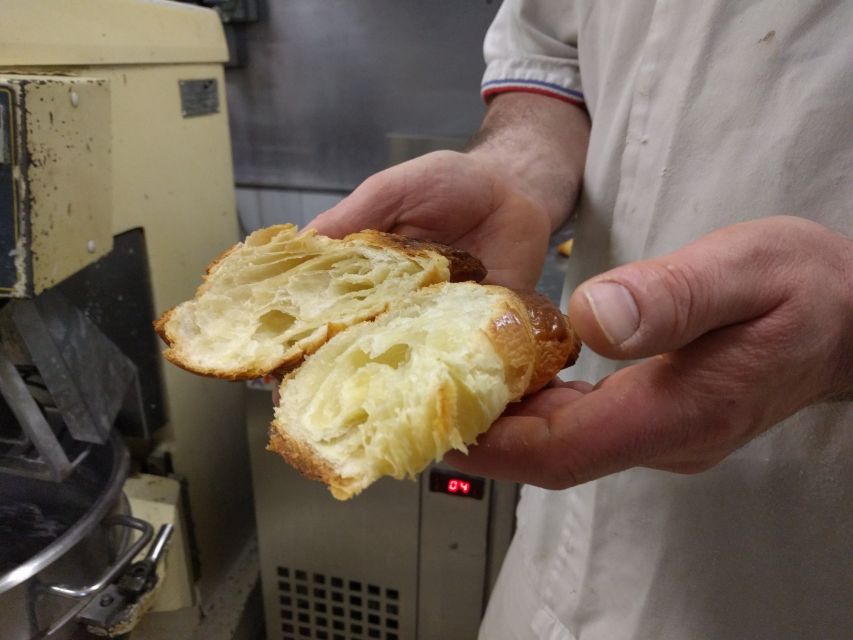
- A true behind-the-counter bakery experience at Le Petit Mitron (8 rue Oberkampf, 75011)
- Two baguettes baked in class: classic French baguette plus La Parisse
- Hands-on croissant dough work and shaping, not just a demonstration
- Warm tastings during the session and bread you make to take home
- Recipes provided via email so you can keep practicing after Paris
Entering Le Petit Mitron: where the flour is part of the show
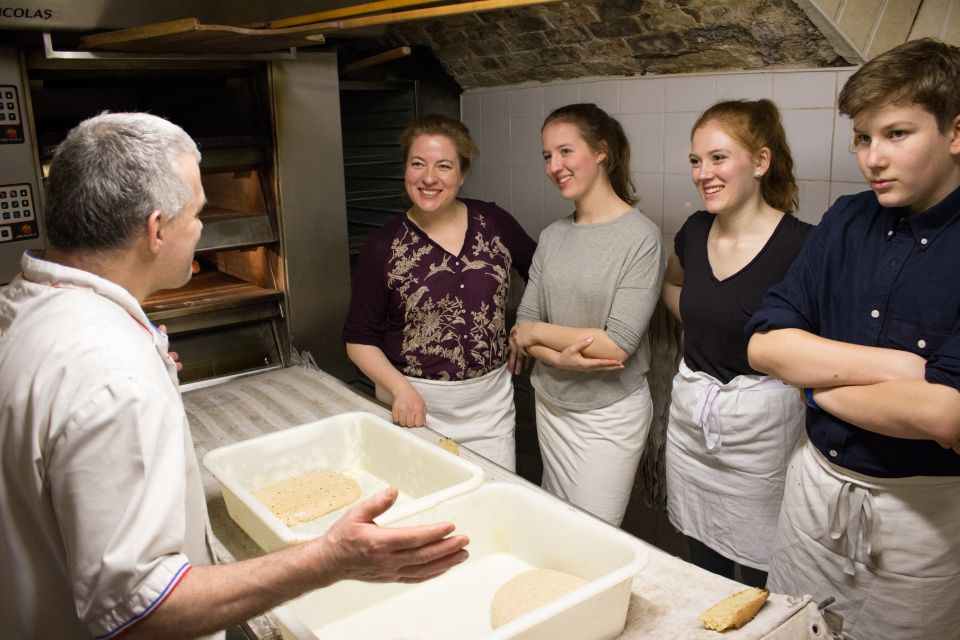
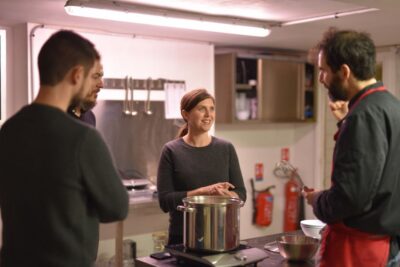
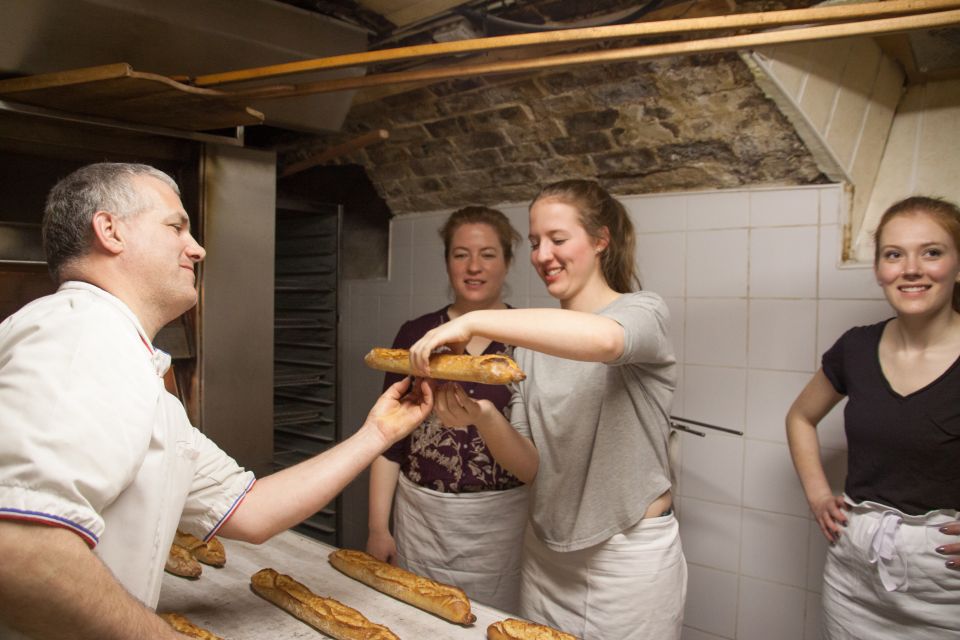
You meet at Le Petit Mitron, 8 rue Oberkampf, 75011 Paris, and the first thing you’ll notice is that this isn’t a staged kitchen. It’s a working bakery, so the vibe is practical and real: flour in the air, tables set up for dough, and space built for small groups.
The experience is designed for a maximum of 8 participants, which matters more than it sounds. Smaller classes mean the baker can correct your shaping, your handling of dough, and your rhythm—especially when your interpreter is helping translate the why, not just the what.
Instructors can work in English, French, Japanese, or Spanish, and past classes have paired the baker with interpreters like Luis and Elsa. That makes the technical parts easier to follow, from dough texture cues to what to watch for as bread bakes.
You can also read our reviews of more tours and experiences in Paris


The master baker’s baguette workflow: crust, steam, and shaping
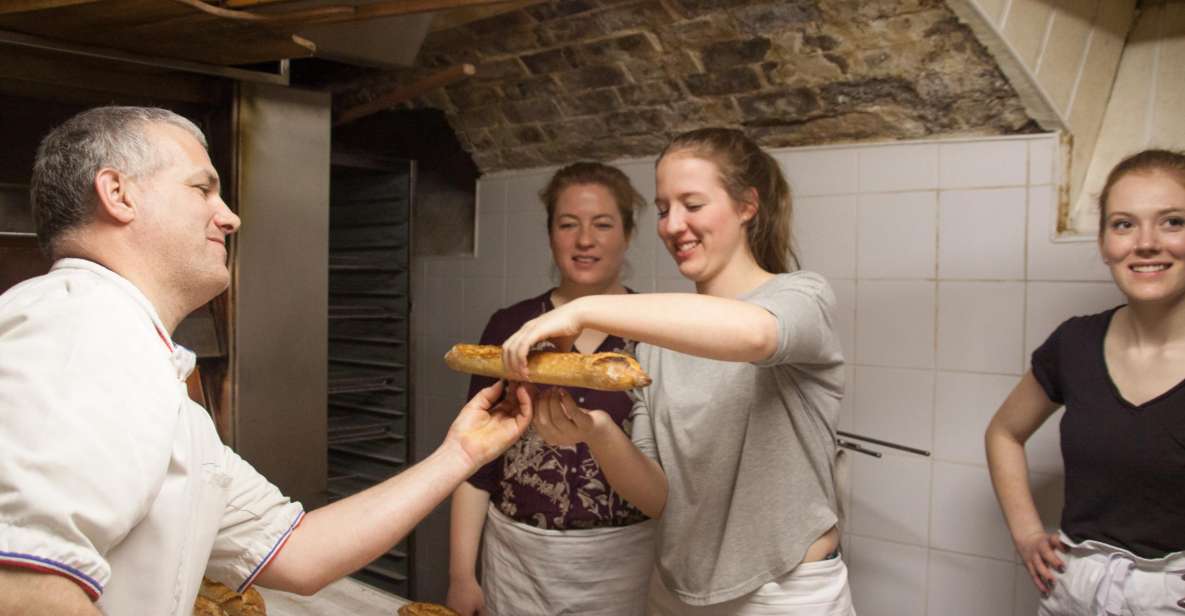
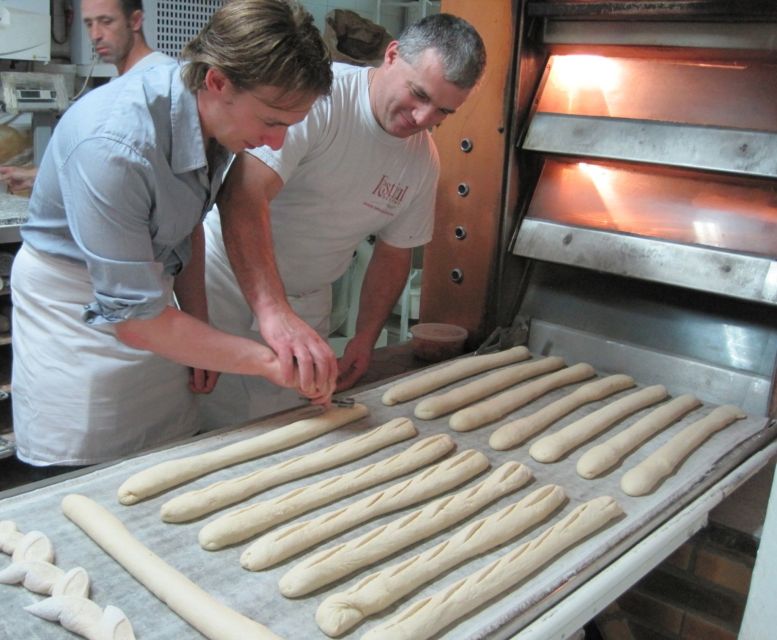
This class centers on French baguette technique, taught by a master baker in a family tradition. You’ll learn how to turn basic ingredients into dough, then into shaped loaves that bake into that classic baguette look: blistered crust, dramatic browning, and a tender interior.
I like how the teaching is broken into the small choices that actually control the result. You focus on the methods that create that crusty golden exterior without drying out the inside. Instead of memorizing steps, you learn how dough should feel at key moments—elastic, smooth, and ready to shape when it’s not too resistant and not too slack.
Behind the counter, you also get to see the process step-by-step, including what happens between shaping and baking. That’s the part most home bakers struggle with: timing, handling, and learning what the dough is telling you. You’re not just learning to imitate a shape—you’re learning why the dough behaves the way it does.
You’ll also get techniques linked to the baguette’s signature form. One frequent “aha” in these classes is understanding that the baguette isn’t only about flavor; the shape affects how the loaf expands and how the crust develops.
Croissants in a hands-on setting: shaping you can repeat
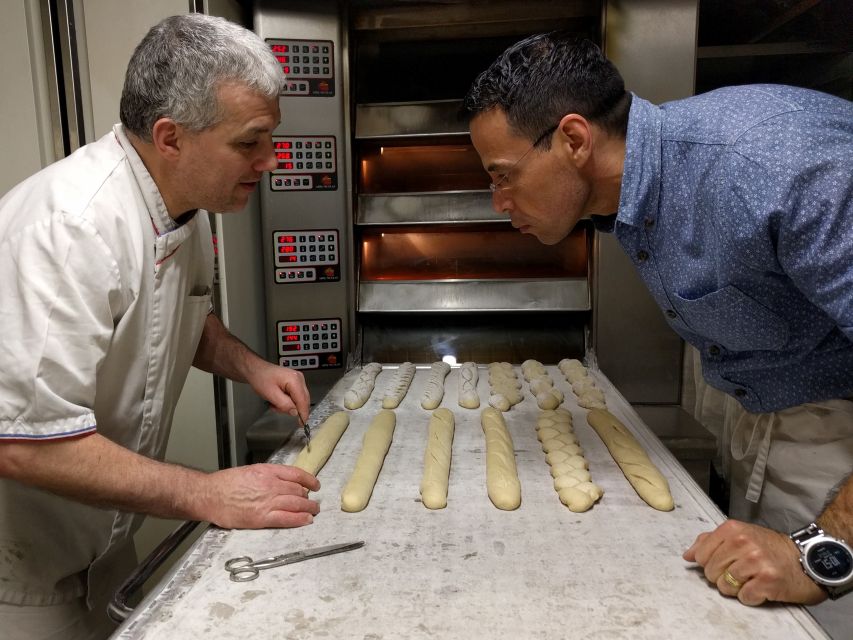
After baguette work, you switch gears to croissants. This is where the class earns its keep for beginners. The croissant dough process is more delicate than baguette dough, and the shaping habits you build here can save you headaches later at home.
In this format, you’re not watching a croissant demo and hoping for the best. You’ll learn to make and shape croissants, with the baker guiding the details and the interpreter helping you catch the finer points in your language. In sessions with interpreters like Luis or Luce, the pacing tends to feel human—enough time to understand the steps while still moving through the class.
Croissants also help you learn the mindset of French pastry: attention to consistency. You’ll get tips for handling dough without compressing it, and you’ll learn what to look for as your pieces take shape. If you’ve ever had croissants that browned too fast, tore during shaping, or came out dense, this is the area where technique will feel noticeably different.
La Parisse: the special baguette that puts this bakery on the map
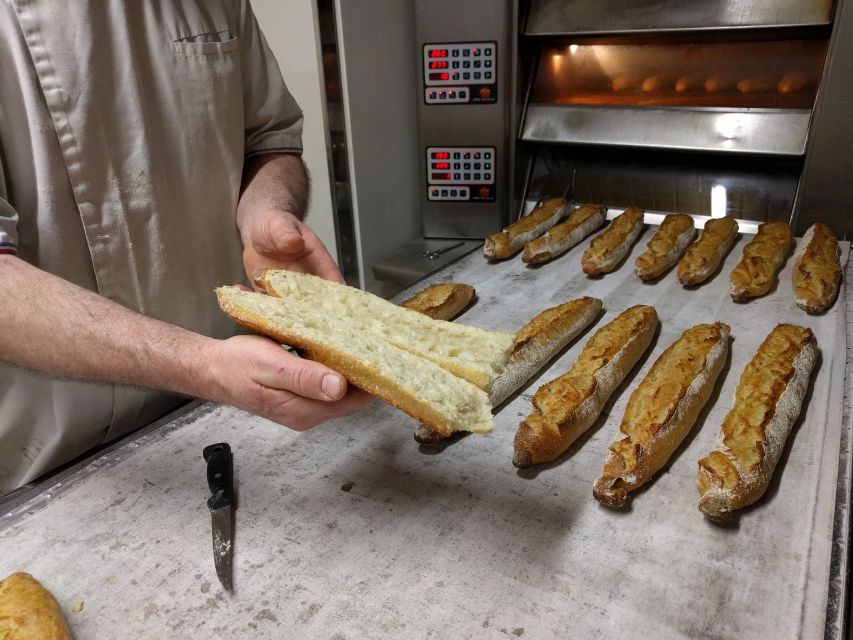
One of the most intriguing parts is that you don’t just do a generic baguette lesson. You bake the classic French baguette and also a special version called La Parisse, a bread the bakery is known for throughout Paris.
Think of La Parisse as the “why this bakery” moment. Even if you’re already a bread fan, it pushes you beyond the basics. You learn how this bakery approaches its signature style, and you get a more complete picture of how a boulangerie’s identity shows up in technique and shaping—not just in branding.
This is also where you’ll likely learn the most transferable lessons. The specific bread might be unique to that shop, but the underlying method—how the dough is handled, how pieces are arranged, and what the baker pays attention to—translates well to what you do later at home.
Tastings during the class: learn by eating
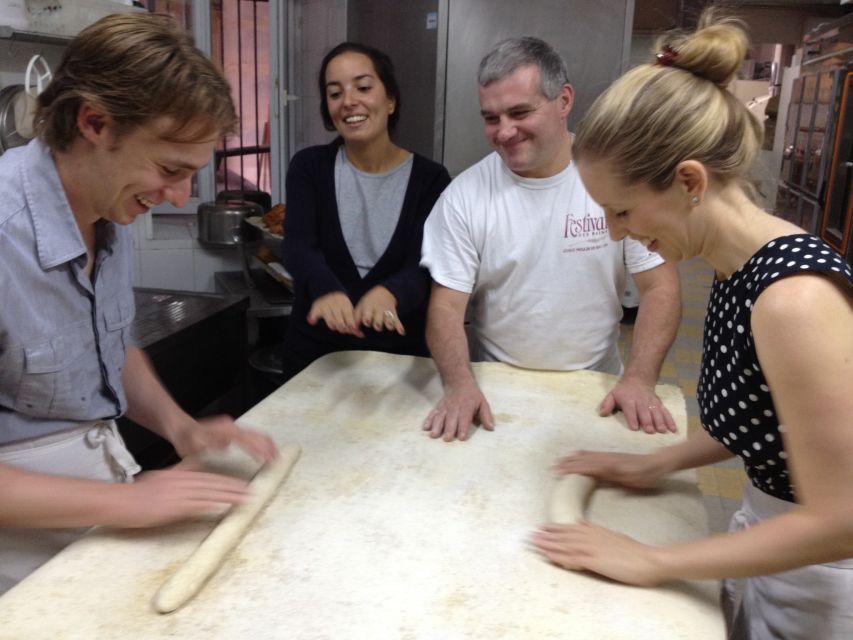
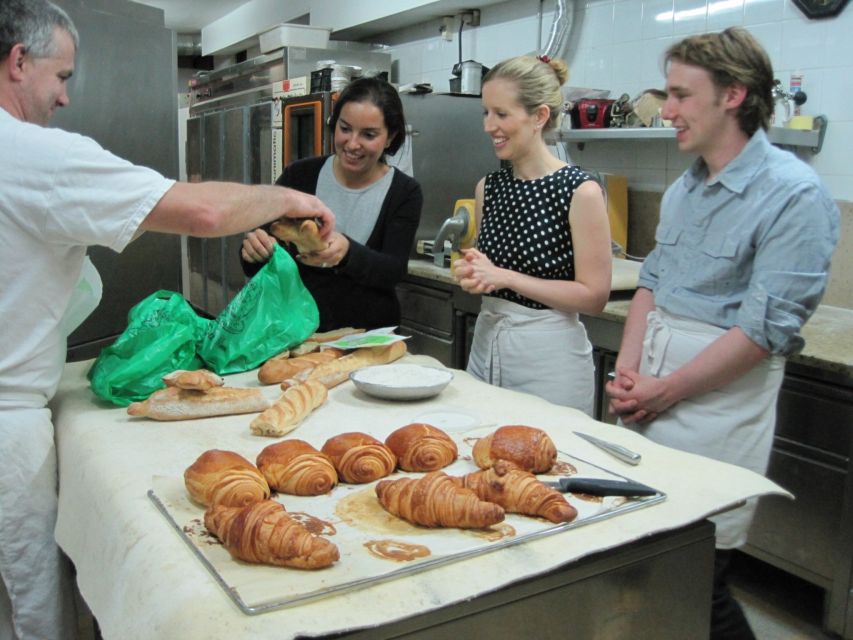
A good bread class doesn’t end when the dough is done. This one includes warm baguette and croissant tasting during the session, so you can connect what you practiced with what the finished bread tastes like.
That matters because bread is sensory. You can read about crust versus crumb, but tasting makes the lesson stick. You’ll notice texture differences right away: crust that snaps, centers that stay soft, and croissants with that signature layered feel.
It also helps you calibrate what “success” looks like. When you go home to bake, you’ll have a memory in your head for the crumb and crust you’re aiming for, not just a vague idea that it should be good.






What you take home: bread and recipes you can actually use
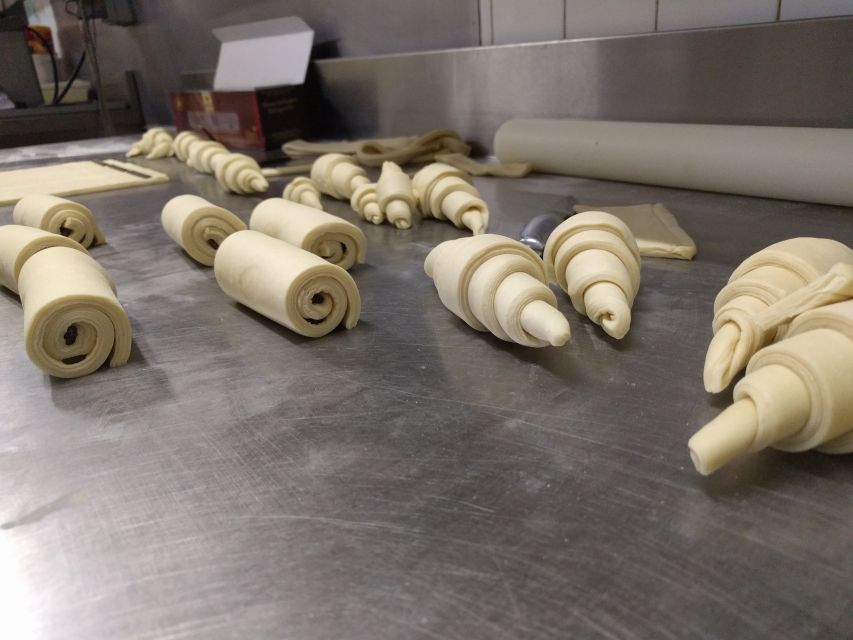
You’ll leave the class with a special baguette unique to the bakery, plus recipes to make fine French bread back home. The recipes come as a copy sent by email, which is handy if you’d rather not stuff paper into your daypack.
It’s a smart touch. Bread-making is all about repetition, and email recipes are easier to revisit than trying to decode notes later. If you want to turn this from a fun memory into a real skill, that follow-up matters.
Also, because this is a family bakery experience, you get a sense of how they think about quality. One useful tidbit you may hear in class is that the baker’s operation is small-scale and tightly controlled, including sourcing wheat and grinding it in the shop. Even if you don’t replicate that exactly at home, it reinforces the lesson: ingredient handling and consistency drive results.
Price and value: $258 for a hands-on 2-hour class
At $258 per person for a 2-hour class, this isn’t a budget activity. So you have to decide what you’re buying.
You’re paying for:
- Small group size (up to 8 participants), which supports real coaching.
- A working bakery setting where you can watch the process and handle dough.
- Teaching that covers both baguette and croissant technique.
- Warm tastings during the class.
- Bread you make plus recipes emailed after.
If you want a big guided walk where you collect stories, this may feel expensive for the time. But if you want a skill you’ll use again—shaping, dough handling, and practical technique—this price starts to look reasonable.
The best value shows up when you truly engage. Ask questions. Pay attention to how dough changes. Treat the class like a workshop, not like a snack stop.
Who this bread-and-croissant class suits best
This class fits best if you’re:
- A food lover who wants hands-on technique in a real bakery.
- Curious about how professional shaping affects crust and crumb.
- Traveling with a partner or friends and you want a shared activity that’s more than sightseeing.
- Someone who likes small groups and clear translation (since instruction can run in English, French, Japanese, or Spanish).
It’s not suitable for children under 6. If you’re bringing kids, look at the class as “hands-on dough time,” not a long sit-down tasting. Many families seem to enjoy it because the work is active and the pace includes both learning and eating.
If you’re coming with a flour-phobia or you mainly want photos, you might find it less satisfying. This is for people ready to get their hands involved and learn from what the dough does.
Should you book this Paris baguette and croissant class?
Book it if you want a compact, high-signal experience: baguette shaping, croissant technique, warm tastings, and recipes you can use later. I also like that you’re not boxed into a classroom; you’re in the bakery where the craft happens.
Skip it if you want a low-cost activity or you’d rather spend your limited time on big monuments and long walks. This class is about skill, not sightseeing.
If you’re the type who wants to come home with a method (and not just a memory), this is one of the better ways to spend a couple hours in Paris.
FAQ
How long is the Paris bread and croissant class?
The class lasts 2 hours.
Where do I meet for the class?
Meet at Le Petit Mitron, 8 rue Oberkampf 75011 Paris.
How many people are in the group?
It’s a small group limited to 8 participants.
What will I learn to make during the class?
You’ll learn to make a French baguette, including a classic baguette and the bakery’s special version called La Parisse, plus you’ll learn to make and shape croissants.
What’s included in the price?
All ingredients are included, along with utensils and an apron. You also receive a copy of the recipe sent by email.
Is the class suitable for young children?
It is not suitable for children under 6.
What languages are available for instruction?
The instructor can teach in English, French, Japanese, and Spanish.