REVIEW · PARIS
Paris 4-Hour Bike Tour: Off the Beaten Path
Book on GetYourGuide →Operated by Blue Fox Travel · Bookable on GetYourGuide
Paris on two wheels feels like a shortcut. This small-group ride starting at Saint-Michel lets you pedal past the usual crowd traps while your guide turns streets into real stories.
My two favorite parts: first, you get the best of more ground than walking without losing that close-up feel of Paris. Second, the guides bring energy and practical insider tips that help you spot what to do next—like how guides such as Tibault François, Guillaume, and Joris explain why these neighborhoods feel the way they do.
One consideration: it is not a constant pedal-fest. With narrow streets and frequent regrouping, you may spend more time stopped for explanations than you expect, which can be a bit long if you came for pure riding.
In This Review
- Key things that make this tour worth your time
- Entering Paris by bike: the real advantage over walking
- Starting at Saint-Michel: a practical launch point
- Shakespeare & Company and the Latin Quarter’s lived-in side
- Saint-Germain-des-Prés: the stop that explains the vibe
- Pantheon-area moments: seeing more without feeling rushed
- Le Marais and the “old Paris” you can actually ride through
- The Roman arena and the old wall: why these moments matter
- Shakespeare-to-crepe rhythm: the snack break that keeps momentum
- Bikes, helmets, and weather gear: comfort that actually helps
- Group size and safety: how the ride stays under control
- Price and value: why $53 can feel fair for what you get
- Who this tour fits best (and who should think twice)
- Should you book this Paris bike tour off the beaten path?
- FAQ
- Where do I meet for the tour?
- How long is the bike tour?
- Is the tour suitable for beginners or people with average fitness?
- What’s included in the price?
- What should I bring, and what’s not included?
- What happens if it’s rainy or cold?
Key things that make this tour worth your time

- Small group size (max 12) means less waiting and more time for questions.
- Latin Quarter + Saint-Germain + Le Marais covers three classic zones while still staying off the busiest lanes.
- Ancient Paris moments: you’ll see an old city wall and a Roman arena during the ride.
- A traditional café break gives you a real crepe-and-coffee pause without dragging the schedule.
- Weather-ready comfort: rain gear is included, plus warm gloves and scarves on colder days.
- Skip-the-line through a separate entrance when you reach the big monument stop.
Entering Paris by bike: the real advantage over walking
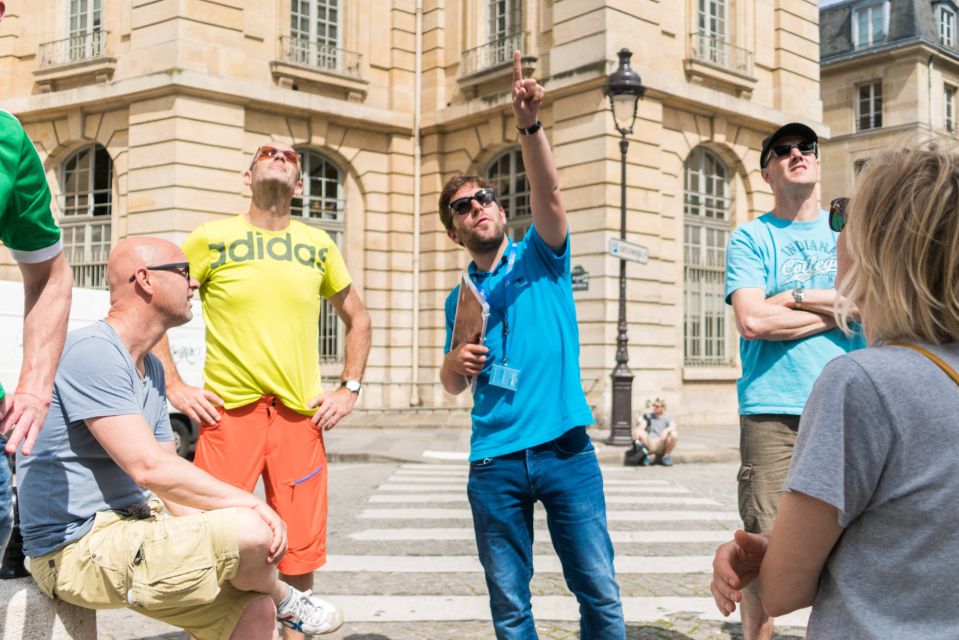
A good walking tour is great for big sights. A good bike tour is better for everything around those sights—especially in central Paris, where the best streets are often the ones you’d never think to search for.
This one fits that sweet spot. In four hours you cover the Latin Quarter, Saint-Germain-des-Prés, and Le Marais in a way that feels personal, not rushed. And because you’re on a bike (not stuck behind a group of walkers), you can connect the dots between neighborhoods fast.
You also get a pace that’s friendly for a wide range of fitness levels. The bikes are described as comfortable and lightweight, and the route is set up for people who don’t want a “race through the city” vibe.
You can also read our reviews of more cycling tours in Paris


Starting at Saint-Michel: a practical launch point
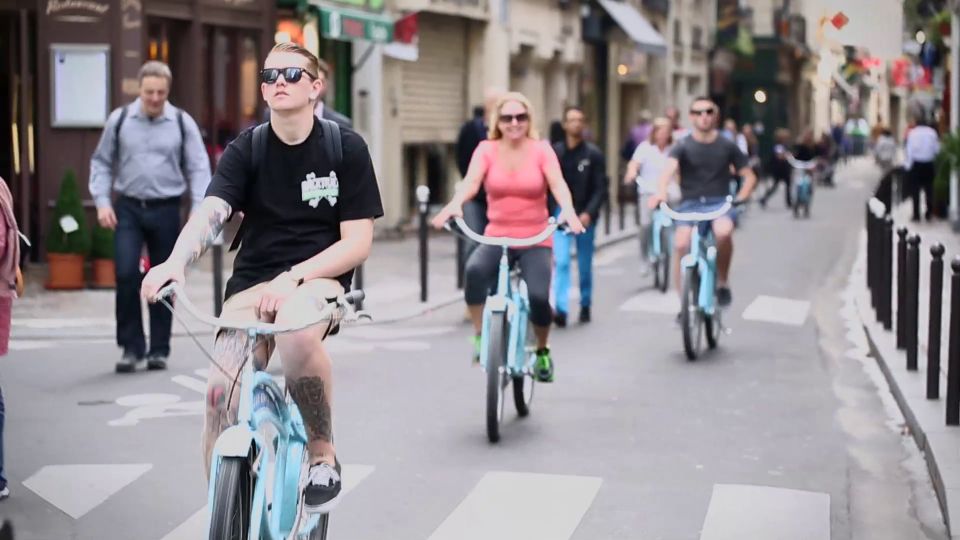
You meet at Tango & You | Paris 6ème Saint-Michel Course Tango Paris, right in the Place Saint-Michel area, in front of the Saint-Michel Fountain. It’s one of those meeting points that feels easy to find because it’s tied to a major transport hub: the closest metro stop is Saint-Michel on line 4, and the RER stop is Saint-Michel – Notre-Dame on lines B and C.
The start matters. When you kick off near Saint-Michel, you’re positioned to peel off into quieter side streets quickly instead of spending your first hour riding in circles. That sets the tone for the rest of the tour: see the recognizable Paris landmarks, then slip into the lanes locals actually use.
If you’ve never biked in a busy European city, you’re not alone. The tour is set up so the guide manages the group rhythm and keeps everyone moving safely through traffic-heavy moments.
Shakespeare & Company and the Latin Quarter’s lived-in side
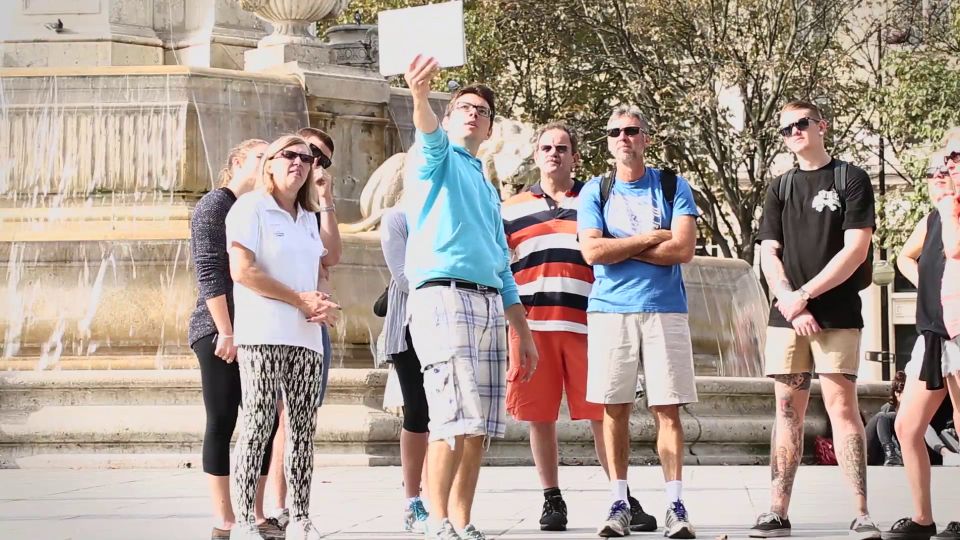
The first named stop is Shakespeare & Company, with a short visit before the ride continues. Even with just ten minutes there, it’s a useful anchor point because the Latin Quarter is all about bookish streets, student energy, and old Paris mixed with everyday life.
From there, you pedal into the Latin Quarter proper. This is where biking really pays off: you can glide along charming blocks without the constant “stop-start” of walking crowded sidewalks. You’re also able to take in places between the famous stops—courtyards, narrow lanes, and the kind of street details that are hard to notice when you’re hurrying.
Expect a guided mix of quick context and “look at that” moments. A lot of the strongest feedback on this tour is about guides being funny and engaging—people like Arnaud, Joe, and Micheal stood out for making facts feel natural instead of like a lecture. That matters because it keeps you listening while you’re also trying to navigate the streets.
Saint-Germain-des-Prés: the stop that explains the vibe
You spend about 40 minutes in Saint-Germain-des-Prés. This is long enough to do more than pose for photos and move on. It’s the kind of neighborhood where the architecture and street names carry echoes of intellectual life, art, and debate—and a good guide helps you read that layer as you ride.
This is also a section where you’ll start to see what “off the beaten path” means in practice. Instead of only hitting the biggest postcard corners, you get pointed toward smaller scenes and viewpoints you’d normally miss. One recurring theme from the strong ratings: the tour feels safer and calmer than you’d expect, and the guide makes sure everyone stays comfortable.
If you like neighborhoods that feel like they’re still being used—cafés, streets with real foot traffic, and buildings that look lived-in—this is your time.
Pantheon-area moments: seeing more without feeling rushed
Next up is the Pantheon area (about ten minutes). Even though the stop is short, it’s a smart move to include it in a bike tour. You get a major Paris anchor, then you can keep moving and not waste time.
A key detail: the tour includes skip-the-line access through a separate entrance. The data doesn’t spell out which exact stop uses that entrance, but since Pantheon is one of the headline monument pauses, it’s the kind of moment where this perk can save you time.
The practical takeaway for you: ten minutes is enough to orient yourself and get the “what am I looking at?” context. Then you’re not stuck feeling like you missed something; you’re simply ready to continue into the next neighborhood.






Le Marais and the “old Paris” you can actually ride through
Le Marais is where the tour shifts gears into something more atmospheric. You spend about one hour here, and this is the part that tends to stick with people.
You’ll ride through streets that feel older and tighter, and you’ll get specific historical elements beyond what you see on your first pass through Paris. The description calls out an old city wall and a Roman arena, and those are the types of sights you’d struggle to find on your own without already knowing where to look.
Biking through Le Marais is also easier than it sounds on paper. The guide manages the group so you can stay together, and you’re not stuck hovering at the back of a walking pack. That matters because Le Marais can be crowded, and a bike tour helps you experience the neighborhood’s “flow” rather than just its highlights.
One note to keep your expectations fair: some people felt the tour was more tour-focused than bike-focused. In practice, that means there are more moments of stopping to talk and regroup than you’d get from a self-guided ride. If you’re okay with that trade, this section is one of the most rewarding.
The Roman arena and the old wall: why these moments matter
Paris has layers. You see it best when you’re not only reading guidebooks, but also moving through space where those layers show up physically.
Seeing an old city wall and a Roman arena during a ride gives you a time-spanning view in a short window. Instead of trying to mentally connect distant eras, your guide points at physical proof—what still exists, where it sits in the street grid, and how it shaped the city around it.
This is where the guides’ storytelling really earns its keep. The standout feedback isn’t just about facts; it’s about how the guide makes you notice. That’s what turns a fast stop into a memorable one.
Shakespeare-to-crepe rhythm: the snack break that keeps momentum
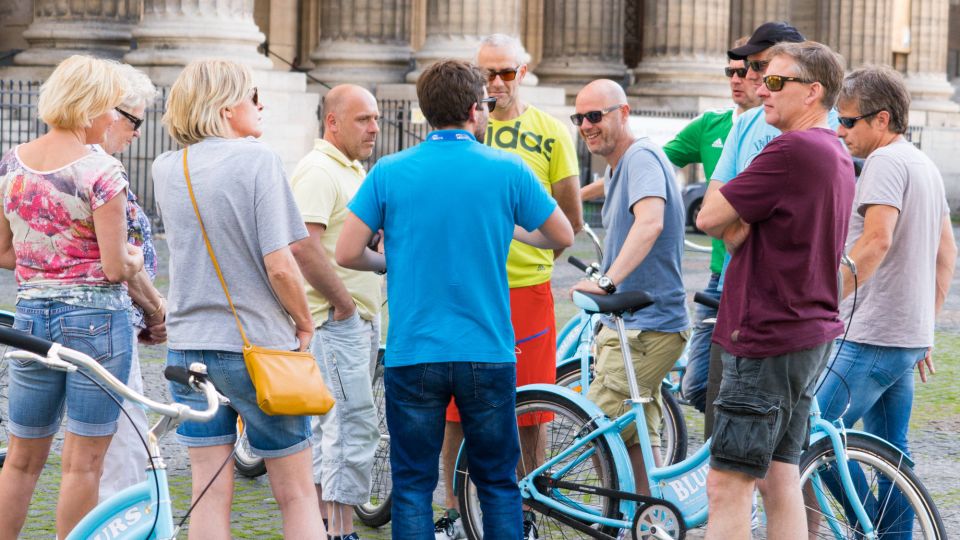
One of the smartest parts of the schedule is the way it handles food. You get a 30-minute lunch/snack break in a traditional Parisian neighborhood, with time to purchase and try a savory crepe or sit in a café and sip a cold drink.
Two things I like about this setup for you:
- It’s built for energy. After biking through central Paris streets, you want fuel, not a long sit-down meal.
- It gives you options. Some days you’ll want the classic crepe. Other days you might want a cold drink and a slower moment.
Just plan ahead: the tour guide section says snacks and water are on you unless you buy during the break. If it’s hot, you’ll feel it—so pack a little extra snack value if you’re prone to getting hungry between stops.
Bikes, helmets, and weather gear: comfort that actually helps
The bikes are lightweight and meant to be easy to ride. They include a helmet, and the tour provides high quality rain gear if the weather turns. On colder days, you also get warm gloves and scarves.
That practical gear piece matters more than people think. Paris weather can swing fast, and having real rain layers means you don’t spend half the tour shivering in discomfort. If you’ve ever been stuck in a tour while it’s drizzling, you know how quickly it drains the fun.
There is one comfort consideration worth noting from real feedback: one rider mentioned the handlebars were angled and hurt their wrists. That’s not guaranteed for everyone, but if you have sensitive wrists or you’ve been uncomfortable on bikes before, take it as a cue to speak up early to your guide so they can help you get set up.
Group size and safety: how the ride stays under control
This tour limits groups to no more than 12 people, which is a big deal in Paris. Smaller groups mean fewer moving parts, and that often translates into a calmer ride in traffic.
Safety here is less about locking you in a bubble and more about how the guide runs the rhythm—clear instructions, regular check-ins, and smart choices about when to slow down. Multiple reviews praise how guides keep things safe even with the busy street layout.
If you’re nervous about biking in a city, don’t hide it. The tour is designed for all ages and fitness levels, and that only works if the guide can gauge the group. The best experience comes when you tell the guide what you’re comfortable with right away.
Price and value: why $53 can feel fair for what you get
At $53 per person for a four-hour tour, you’re paying for more than bike rental. You’re getting:
- the bike and helmet
- a local guide
- rain gear and warm cold-weather accessories
- insider monument context
- and a snack break with time to buy a crepe or sit in a café
The big value driver is time. You’d need a lot longer (and more effort) to independently plan a route that threads together Latin Quarter, Saint-Germain-des-Prés, and Le Marais with the right historical stops. On top of that, the guide’s local tips help you turn the “I saw it” into “now I know what to do with this neighborhood.”
What costs extra? Lunch and snacks are not included, and water/drinks aren’t included either. The snack stop gives you a chance to buy food and drink, but you’ll want to budget for that and carry water if you need it.
So yes, the price can feel fair—especially if you would otherwise be paying for a guide or spending time trying to self-navigate all these sights and streets efficiently.
Who this tour fits best (and who should think twice)
This is a strong pick if:
- you’ve already seen the major Paris sights and want the neighborhoods that make the city feel real
- you like history that points to specific places you can see right now (walls, arenas, courtyards)
- you want a fun group atmosphere without a massive crowd feel
- you want an active half-day that still includes time to pause, eat, and enjoy
It may be less ideal if:
- you only want nonstop cycling with minimal stops
- you’re very sensitive to bike fit and you’re worried about wrist comfort
- you want a long sit-down meal experience (the food break is built as a quick recharge)
Should you book this Paris bike tour off the beaten path?
If you’re in central Paris for a short stay and you want a half-day that feels both practical and story-rich, I’d book this. The small group, the neighborhood mix, and the fact that you get an included crepe-and-coffee style break make it a solid use of your time.
My rule of thumb: book it when you want to leave with a mental map of Paris, not just photos of monuments. If that’s your goal, this ride is one of the better ways to see the city’s older, calmer streets—without spending hours planning your own route.
FAQ
Where do I meet for the tour?
Meet your guide in front of the Saint-Michel Fountain at Place Saint-Michel. The closest metro stop is Saint-Michel on line 4, and the closest RER stop is Saint-Michel – Notre-Dame on lines B and C.
How long is the bike tour?
The tour lasts about 4 hours.
Is the tour suitable for beginners or people with average fitness?
Yes. The route is described as suitable for all ages and fitness levels, and the bike ride uses a comfortable, lightweight aluminum bike.
What’s included in the price?
The tour includes the bike, a stylish helmet, a local guide, insider information on monuments, high quality rain gear, and warm gloves and scarves on cold days.
What should I bring, and what’s not included?
Bring snacks and water. Lunch and/or snacks you buy during the break, plus water and any other drinks, are not included.
What happens if it’s rainy or cold?
Rain gear is included, and on cold days you’ll also have warm gloves and scarves provided. You should still dress according to the weather forecast.