REVIEW · PARIS
Loire Valley Castles: Chenonceau, Amboise & Da Vinci Trip
Book on GetYourGuide →Operated by Clewel Travel · Bookable on GetYourGuide
One day. Four famous names.
I loved how this trip packs the best Loire Valley stories into a small-group format (max 7) and keeps logistics painless with hotel pickup by comfortable Mercedes minivan. The day also runs with an English-speaking guide who knows how to connect the architecture to the people who lived in it, so the castles don’t feel like disconnected photo stops.
If you care about more than just sightseeing, you’ll appreciate the mix: a guided Chenonceau stop with its signature river-spanning feel, a Royal Amboise visit with an interactive tool, and time with Da Vinci at Clos Lucé. One possible consideration: it’s a long day (810 minutes) with plenty of walking, and the pacing means you have to accept that some places get less time than you’d want if you’re a slow explorer.
In This Review
- Key takeaways before you go
- A one-day Loire Valley circuit from Paris (and why the minivan matters)
- Chenonceau: the ladies’ castle, the river arches, and the gardens
- Château de Chambord: a guided look, but time is tight
- Amboise lunch break + the Royal Chateau (and Leonardo’s grave)
- Wine tasting at a family winery: 7 wines in about 40 minutes
- Clos Lucé: Da Vinci’s home, workrooms, and the underground link
- Getting back to Paris: long drive, smart stops, and small comforts
- Price and value: is $324 worth it?
- Who should book this (and who should plan differently)
- Should you book the Loire Valley Castles and Da Vinci day trip?
Key takeaways before you go
- Small-group feel (max 7): easier conversation with the guide and less waiting to enter or regroup.
- Chenonceau’s river-crossing Renaissance style: the gardens and the arches over the Cher are what most people remember.
- Amboise + Da Vinci’s burial: the Royal Chateau visit includes time to see Leonardo da Vinci’s grave in Saint Hubert Chapel.
- Wine tasting built in: you stop for 7 wines at a local family winery.
- Clos Lucé is the Da Vinci chapter: it connects to Amboise’s Royal Chateau by an underground passageway and focuses on his life and work.
- Bonus stop at Château de Chambord: you get guided time there too, but expect a tight schedule.
A one-day Loire Valley circuit from Paris (and why the minivan matters)
This is the kind of day trip that works because someone else handles the hard part: getting you out of Paris, keeping the schedule moving, and getting you back. The ride is by an air-conditioned Mercedes minivan with adjustable seats for up to 7 people. We left Paris at 07:30 and the drive is long—around 3 hours each way—so the comfort matters more than you think.
I also like that the group size keeps the day from turning into a noisy cattle call. With fewer people, it’s easier to hear the guide, follow directions, and actually get good photo moments without sprinting between viewpoints. Plus, you get bottled water on board, and on hotter days that’s not a small detail.
A practical note: there’s walking at every stop. Amboise and the chateaus mean steps, uneven ground, and some uphill bits depending on where you linger. If your knees or back are fragile, plan for an exhausting but worthwhile day. I’d rather you know that up front than pretend it’s gentle.
You can also read our reviews of more tours and experiences in Paris.


Chenonceau: the ladies’ castle, the river arches, and the gardens
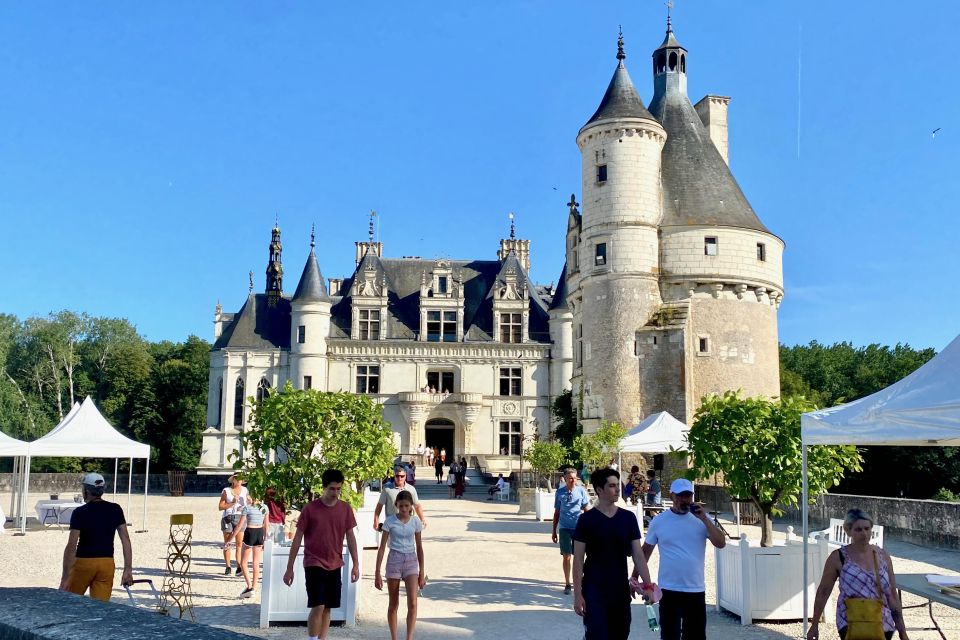
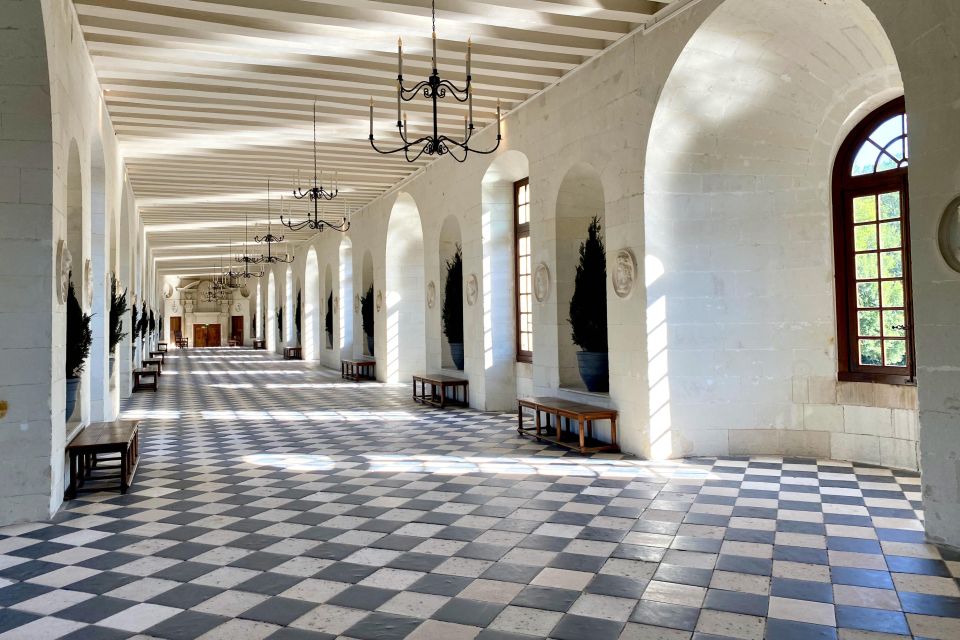
Château de Chenonceau is one of those Loire names that sounds romantic because it earned the reputation. I found it especially compelling because the guide ties the building to the people—think famous women in French history like Catherine de Medici—and that context makes the whole place feel less like a museum and more like a real power center.
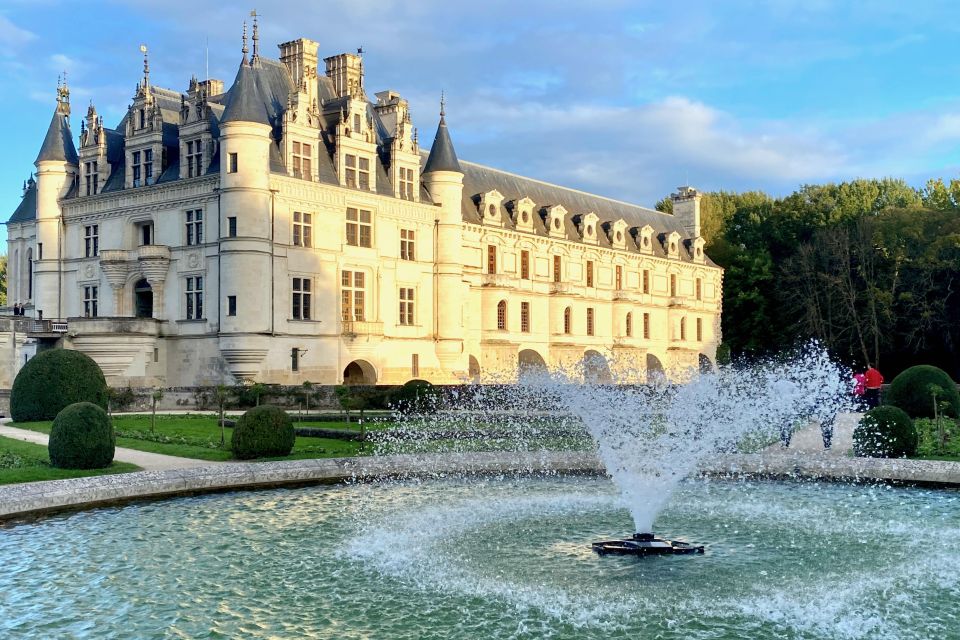
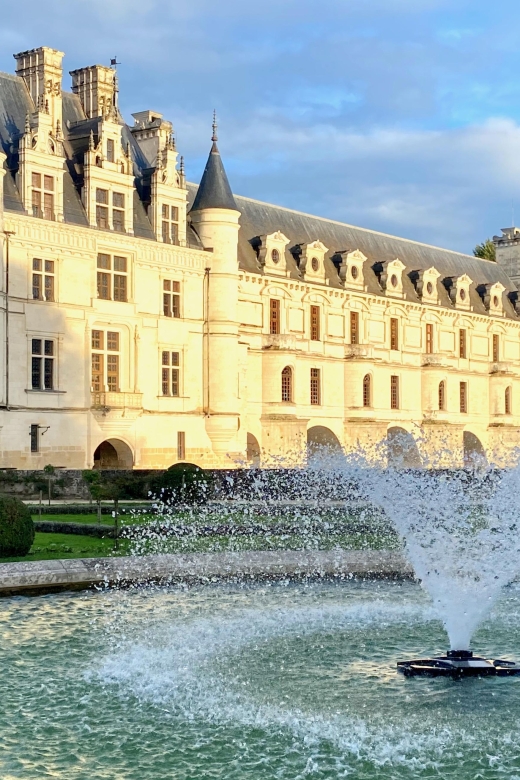
The best visual hit is the way Chenonceau handles the river: it’s known for its distinctive arches over the River Cher. Then there are the gardens. You get guided time through the chateau and its grounds, with enough structure that you’re not just wandering. The Renaissance-style gardens are a major part of the experience, and yes, the sheer planting volume is the point—more than 130,000 blooming plants.
Here’s the practical balance: Chenonceau’s interior isn’t always everyone’s favorite part. Some people love gardens and exteriors more than room-by-room interiors, and Chenonceau can run that way depending on your tastes. If you’re the type who wants maximum time in the most famous rooms, you might feel the time limit. On the other hand, if you’re after beauty, symbolism, and a guided story that makes the building make sense, this stop delivers.
Château de Chambord: a guided look, but time is tight
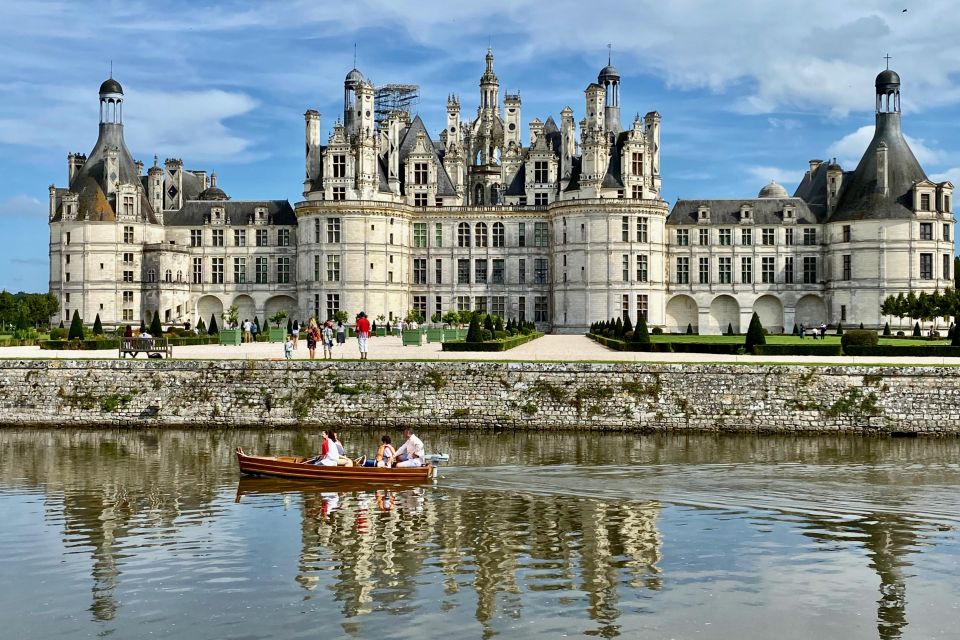
This tour also includes a guided visit to Château de Chambord. It’s massive, and even with a guide it can be tough to cover everything in one day. You’ll get about 90 minutes there as part of the loop, which is long enough for the big landmarks and key viewpoints, but not long enough to feel like you did the whole thing.
I recommend treating Chambord like a greatest-hits tour. Pick a few priorities: the signature exterior silhouettes, the famous rooms or stair features your guide points out, and one or two viewpoints for photos. If you try to do it like a two-day visit, you’ll end up stressed instead of impressed. If you’re sensitive to walking fatigue, the day already asks a lot of your legs—Chambord is worth it, but it’s not a rest stop.
Amboise lunch break + the Royal Chateau (and Leonardo’s grave)
Amboise is where the day gets both cultural and personal. You get about one hour for lunch in town, and the guide can help you pick a spot that fits the clock. I like having that built-in breather. It’s also one of the few moments where you can slow down, step away from the crowds, and reset before the next guided block.
After lunch, you’ll visit Château Royal d’Amboise with the guide. This is a strong stop for two reasons: the architecture captures a transition from Gothic to Renaissance, and the royal story is easy to follow when someone explains who was in charge and why it mattered. The guide also helps you understand why Amboise is known as a place tied to the birth of princes and the reigns of kings.
Then there’s the Da Vinci connection. You visit Saint Hubert Chapel, where Leonardo da Vinci is buried. Seeing that makes the whole Da Vinci theme click—this isn’t just a clever art stop, it’s literally part of his story. On top of the guided narration, you’ll have access to Histopad, an interactive videoguide that explains rooms and context as you move.
If you want a simple strategy for better pacing: keep lunch efficient. One traveler suggestion I really like is grabbing something close to the chateau area (like a quick meal at Paul’s nearby) and using that time to protect your energy for the later stops. You don’t need to copy it exactly, but the idea is solid: protect time for what you’ll remember most.
Wine tasting at a family winery: 7 wines in about 40 minutes
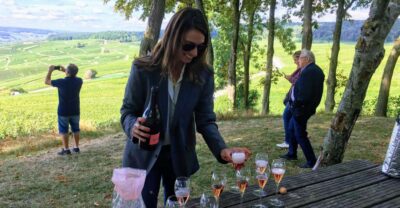
The tour includes a guided wine tasting at a local family winery with roots going back for many centuries. You’re tasting seven wines, which is enough variety to learn something without turning into a full-on wine afternoon.
I like that the tasting isn’t just pour-and-go. The guide explains how winemaking has worked for generations and then walks you through the wines with context. That said, it is still timed. The tasting is roughly 40 minutes, so you won’t have time to linger like you might at a slower tasting room.
If wine isn’t your thing, you have a choice in how you experience it. You can participate without trying to judge every label like a sommelier, or you can treat it as a quick cultural moment and save your energy for the chateaus. If you’re the type who hates rushed tastings, you’ll want to mentally prepare for a short format.
Also, a good thing to remember: no alcohol is allowed in the vehicle, and you’re in a schedule. Drink responsibly and stay hydrated.


Clos Lucé: Da Vinci’s home, workrooms, and the underground link
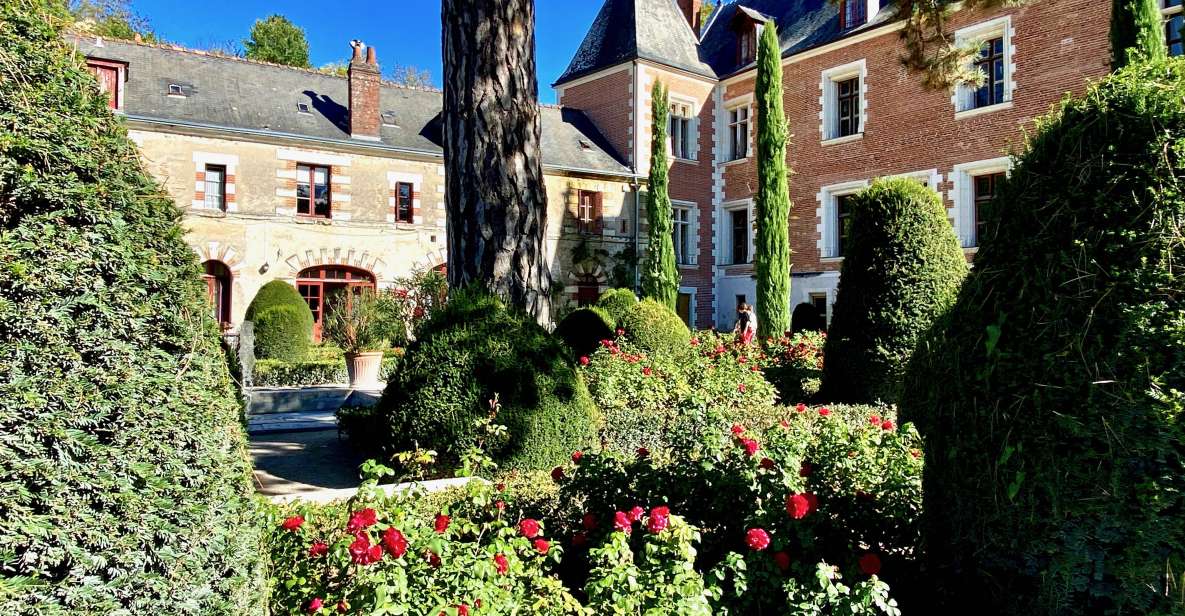
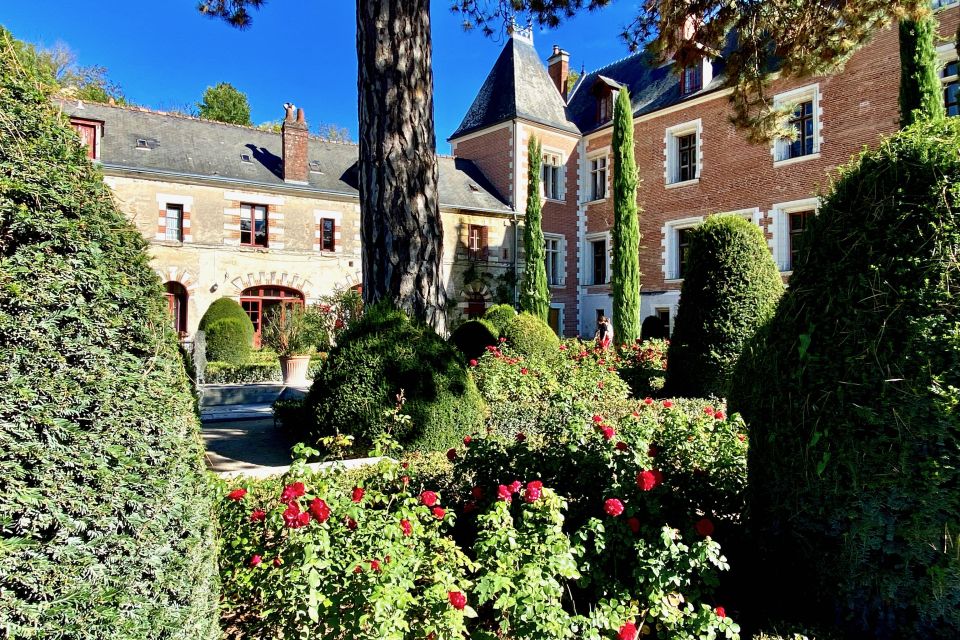
By the time you reach Château du Clos Lucé, the Da Vinci theme feels real instead of themed. You’re close to Amboise’s Royal Chateau, and the two are connected by an underground passageway—so the guide can paint a clear picture of how these places fit together.
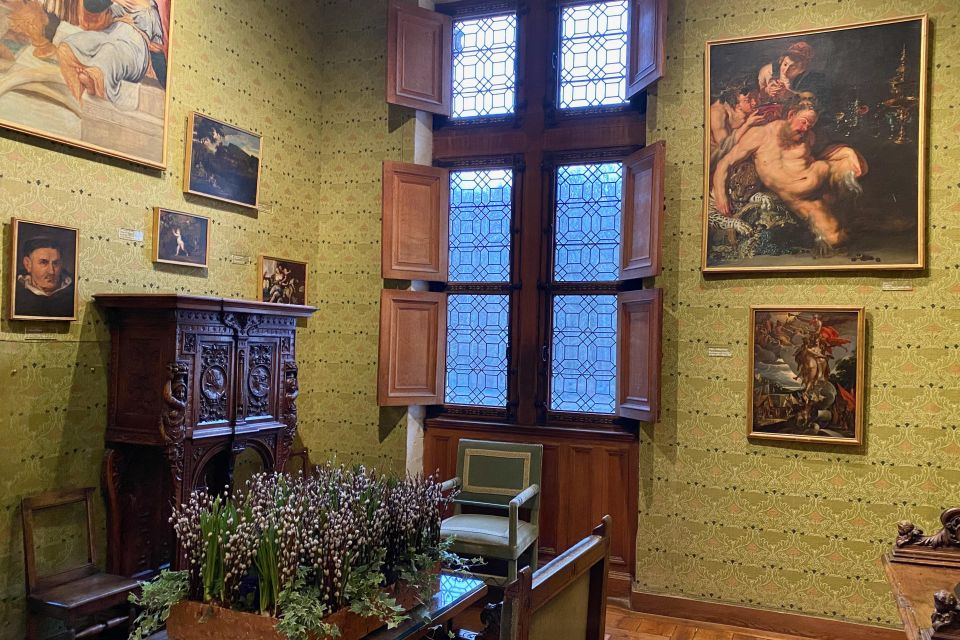
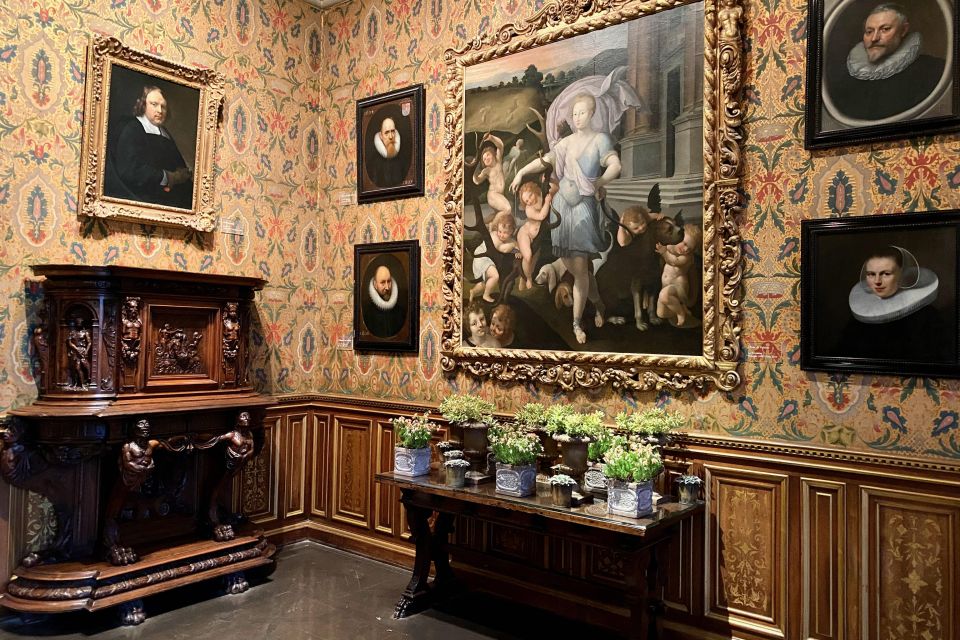
Clos Lucé started as a home built by Hugues d’Amboise in 1471 and later became the place where Leonardo da Vinci lived from 1516 until his death on 2 May 1519, invited by Francis I. Today, it works as a museum focused on his life and work, and it’s designed so you can follow the story instead of just reading labels.
This stop is also short enough to keep momentum—around 70 minutes with a guide. I appreciated that structure. The museum theme can be information-heavy, but having a guide helps you prioritize what matters, and you still get time to look at exhibits at your own speed.
One more detail that impressed me: Clos Lucé is listed by Time magazine as one of the top 100 extraordinary destinations to explore in 2021. That’s not a guarantee of quality, but it aligns with what you feel on site: it’s built for visitors, not just for history nerds.
Getting back to Paris: long drive, smart stops, and small comforts
After Clos Lucé, the day turns into the long commute back. You leave around 18:00, then it’s about 3 hours to Paris. Total time in the car adds up fast, so small comfort features help: the minivan is air-conditioned, the ride is smooth, and bottled water is included.
I also like that there’s at least one rest stop on the way out for breaks. On a hot day, the guide and driver were attentive about keeping everyone comfortable. In my case, the driver even helped with smooth entry and exit, which sounds small until you’re dealing with cobblestones and uneven ground.
One extra practical tip from the experience: there are phone chargers in the car, but bring your own power cord just in case you need it for your setup. You’ll take photos. A lot.
Price and value: is $324 worth it?
At $324 per person, you’re not paying for a bus ticket. You’re paying for a day of coordination: hotel pickup from Paris (75001), guided time at the chateaus, entrance tickets, and the wine tasting.
Here’s where the math gets real. If you tried to do this on your own, you’d spend time on transit planning, ticket lines, and figuring out the order that actually makes sense. This tour folds in the hard parts: skip-the-ticket-line benefit is included, plus your guide handles the storytelling and timing.
The biggest value boost is the small group size. With max 7 people, you get more attention and less waiting. That’s not just comfort; it can mean better photo timing, clearer meeting points, and fewer moments where you lose what you just paid to see.
If you’re the type who thrives on structure, this price feels fair. If you hate long drives and prefer to roam freely at your own pace, you might find it steep for a day that moves on rails.
Who should book this (and who should plan differently)
This works best if you want a guided day that mixes: architecture (Chenonceau, Chambord, Amboise), royal-era context, and a clear Da Vinci storyline (Clos Lucé plus Leonardo’s burial site).
It’s also a good fit if you like interactive tools and explanations—Histopad at Amboise helps you follow rooms without feeling lost. I also like that the guide adjusts in real time based on the group’s pace, so you’re not trapped in an inflexible script.
But it’s not a gentle stroll. Reviews and the site reality both point to a lot of walking, including uphill stretches. If you’re older or have knee/back issues, I’d be cautious and plan for a tough day.
And there are clear limits that matter: the tour isn’t suitable for wheelchair users, children under 6, and there’s a weight limit of 309 lbs (140 kg).
Should you book the Loire Valley Castles and Da Vinci day trip?
If you want one day that gives you the main Loire hits—Chenonceau, Amboise (with Leonardo’s burial), Clos Lucé, plus Château de Chambord—this is a strong option. The hotel pickup, small-group size, and English-speaking guides make the logistics painless and the stories easier to remember.
Book it if you like your history explained, your chateaus guided, and your wine tasting included without turning into a long detour. I’d skip or rethink it if you need minimal walking time, hate tight schedules at big sites, or expect each castle to get a full deep-dive.