REVIEW · PARIS
Le Marais: Explore Old Paris with a Local Host
Book on GetYourGuide →Operated by City Unscripted · Bookable on GetYourGuide
Le Marais rewards slow walking with a smart guide. This is a private 3-hour stroll through one of Paris’s most layered neighborhoods, mixing Old Paris streets, Jewish heritage, and a strong LGBTQ presence, all guided by someone who tailors the route to your mood. I especially love the local guide match based on your interests and personality, and I also like the built-in food moments—sweet stops at Jewish bakeries plus time around the Marché des Enfants Rouges for market flavor. One drawback: food and drinks aren’t included, so you’ll need to budget a bit if you want to snack at every stop.
A good host makes Le Marais feel legible fast. You’ll walk cobbled lanes, slip into small boutiques and art galleries, and get context for why this area can look charming one minute and political or historic the next. You may also cover major sights in the area’s orbit, including stops connected to the Bastille era, a look toward Pompidou Centre, and time to pause for coffee or a glass of wine.
It’s built for comfort in the real world: it’s a walking experience, it’s wheelchair accessible, and the meeting point is flexible and arranged in advance with your guide. Languages are English and French, and the tour runs as a private group, so you’re not stuck with a one-size-fits-all script.
In This Review
- Key points worth your attention
- Should you book this Le Marais local-host tour?
- FAQ
- How long is the Le Marais with a local host experience?
- Is this tour private or group-based?
- What languages are available for the live guide?
- Are food and drinks included?
- Are attraction tickets included?
- Do I need to arrange transportation?
- Is the meeting point fixed?
- Is the experience wheelchair accessible?
- What is the cancellation policy?
Key points worth your attention

- Private guide matching that adapts the pacing and focus to you
- Cobbled streets + small galleries that feel like you found them, not like you followed a sign
- Jewish bakery stops for classic sweet treats during your walk
- Marché des Enfants Rouges for Paris’s oldest market energy and street-food sampling
- Historic anchors like Bastille woven into Revolution-era stories as you go
- Pompidou Centre reference that connects modern Paris to the streets you’re walking
Le Marais is one of those Paris neighborhoods that refuses to be only one thing. You’ll see old stone facades and street grids that feel medieval, but you’ll also notice the neighborhood’s creative side—art galleries, fashion boutiques, and people lingering outside small shops as if time works differently here. Then there’s the cultural layering: Jewish heritage is part of the everyday story, not just a footnote, and you’ll also spot the LGBTQ community’s visibility in the area’s atmosphere.
That blend is exactly why this tour works. A normal sightseeing loop can flatten Le Marais into a list of landmarks. Here, the emphasis is on learning how the neighborhood “talks” to you—through streets, storefronts, and the stories your guide chooses to highlight as you walk.
And because it’s private, you’re not forced into a generic route. If you’re into architecture and street details, you’ll get that. If you care more about community history and local identity, your host can steer you there. If you just want a relaxed stroll with smart commentary, you’ll still get value, because the tour is designed for walking—not sprinting.
The biggest “secret” here is not the neighborhood. It’s the host matching. You’re paired with a guide based on your interests and personality, and you spend three hours with someone who actually cares about the place they live in.
That matters more than it sounds. Le Marais can look straightforward if you’re only scanning for famous sites. But the right guide helps you notice patterns: where the mood shifts, which streets carry older vibes, where modern Paris feels like it grew directly out of the older one. You also get a sense of what to look for later on your own—because you’re learning the neighborhood’s logic, not just copying a route.
You might even get a host style that’s described as very story-driven and enthusiastic. Names that have come up with this provider include Emmanuel, Safeed, and Hrito, and the common thread is a mix of humor, real knowledge, and an eye for places you’d likely miss on your own.
Bottom line: you’re paying for a guided experience that adapts. That’s how you get a more personal Le Marais, not just a checklist.
This is a walking experience, so you’ll want to show up ready for real streets, not museum floors. Expect cobbled lanes, tight corners, and the kind of street scale that makes Paris feel made for wandering. This is also where Le Marais shines: the neighborhood is full of little “almost stops”—side streets, shopfronts, small galleries, and doorways that look ordinary until you know what you’re seeing.
A strong host will use those small moments to tell bigger stories. You’ll stroll through areas known for old-world charm and historic credentials, then pop into calmer pockets where you can browse boutiques or look at art on display. Since you’re on foot, you’ll feel the neighborhood’s rhythm rather than watching it from a bus window.
One practical note: because there’s no transportation included, you’ll be walking between points on your guide’s plan. That makes the tour best when you’re up for a steady pace. Wear comfortable shoes and plan to treat this like a proper city walk.
Le Marais is famous for its historic buildings, but it also has an “explainer” job to do. Your host is set up to connect what you see today with what happened during major moments in French history—especially the Revolution era, with references that can include the Bastille.
Even if you’ve heard the Revolution basics before, you’ll likely remember this more because it’s tied to geography. Instead of studying a timeline, you’re seeing how power, conflict, and change echo through the city’s layout and neighborhood identity. Your guide’s job is to connect those dots while you’re still walking through the neighborhood itself—so the stories land while the streets are fresh in your mind.
There’s also a pacing advantage. When historic context is delivered as you move, you don’t have to sit through long lectures. You get the facts in manageable chunks, plus the visual anchors that help your brain file everything correctly.
One of the most enjoyable parts of Le Marais tours is food that feels woven into daily life. This experience includes stops for sweet treats at Jewish bakeries and time around Marché des Enfants Rouges, described as Paris’s oldest market.
Here’s why that’s valuable beyond taste. Market time teaches you how Parisians shop and snack in a way that’s hard to replicate from a guidebook page. You’re not just eating because it’s on a list—you’re watching the neighborhood’s normal energy and learning what people actually gravitate toward.
Your guide will help you focus your attention. You’ll sample gourmet treats at Jewish bakeries, then you can enjoy street food around the market, with time to sit and watch the world pass by. Since food and drinks are not included, you’ll have freedom here: snack lightly, go for a proper bite, or skip the sweets if you’re more into savory.
One tip if you’re planning your own day: don’t schedule a big meal right before this. Leave room for market-style grazing. Le Marais gives you flavors in a way that feels best when you’re not rushing toward your next reservation.
Le Marais may feel like Old Paris, but it doesn’t live in a museum. Your tour can include visiting iconic sites in the area’s orbit, including Pompidou Centre.
This works as a contrast moment. You’ve been walking old streets and smaller shopfronts; then, you get the jolt of modern Paris—steel-and-glass energy—so the city feels like one continuous story instead of two separate worlds. Your host can help you interpret that shift, explaining what modern landmarks mean when they’re placed next to older neighborhoods.
Just keep expectations clear: tickets to attractions aren’t included. So if you’re hoping to go inside any major spot, plan to handle that separately. Even so, a guided look and context around the landmark can be enough to make the modern section feel relevant to the older streets you’ve been exploring.
By the time you’ve walked cobblestones, visited market spaces, and taken in historic references, you’ll want a breather. This tour includes time for relaxing afterward with a coffee or a glass of wine at a local café.
That pause is more than comfort. It’s where you digest everything you just learned. You can also use the moment to ask your guide what to do next—where to walk for your remaining hours, which nearby sights match your interests, and which streets are worth revisiting after you’ve learned their “logic.”
Since food and drinks aren’t included, this café stop may be partly optional depending on what you order. But it’s a helpful rhythm choice: you get story and movement first, then a proper chance to slow down and enjoy the neighborhood’s present-day vibe.
At $161 per person for a 3-hour private walking experience, you’re not just paying for sightseeing—you’re paying for private time with a local host plus the structure of a guided route.
What you get that often makes the price feel fair:
- Private group attention, so questions and interests can steer the tour
- Personalized guide matching based on your personality and what you want out of the neighborhood
- A focused walking tour that includes historic context, boutique/gallery wandering, and market and bakery stops
- A guide who can highlight details you’d likely skip on your own
What could make it feel expensive if you’re not careful:
- Food and drinks aren’t included, so your total spend depends on how much you snack and where you choose to stop
- Tickets aren’t included, so any entry into attractions like bigger landmarks may cost extra if you want the inside experience
My practical take: if you like walking, enjoy street-level Paris, and want a guide who can tailor the story, this price is easier to justify. If you’re mainly hunting for must-see interiors and don’t care about neighborhoods or food, you might prefer a cheaper, ticket-focused sightseeing plan.
This experience is simple, but a few details matter for making it smooth.
Meeting point: it’s flexible and arranged with your guide in advance. That’s good, because it can reduce hassle. Just be ready to communicate and confirm where you’ll meet.
Timing: the tour is 3 hours. That’s enough time to cover meaningful ground and enjoy stop-and-go pacing, but it’s not a full-day immersion. Plan the rest of your day with breaks in mind.
Language: English and French are available. If you’re comfortable with either, you’ll get the most from the commentary.
Accessibility: it’s wheelchair accessible. Since it’s a walking route, ask about the specifics of pacing and surfaces when you confirm your booking—cobbles and tight areas can vary even within accessible routes.
This tour fits best if you:
- Want Old Paris streets with context, not just a photo walk
- Like neighborhood variety: history, art stops, and community culture
- Enjoy market and bakery food moments, even if you pay for what you eat
- Prefer a guided experience where your interests shape the route
You might choose something else if:
- You don’t like walking and want a mostly seated itinerary
- You’re only interested in ticketed museum-style attractions
- You’re hoping for food to be included as part of the price
For couples, first-timers, or anyone who likes to understand how Paris neighborhoods work, this is a strong pick—especially when you want a guide’s eyes on everyday details.
Should you book this Le Marais local-host tour?
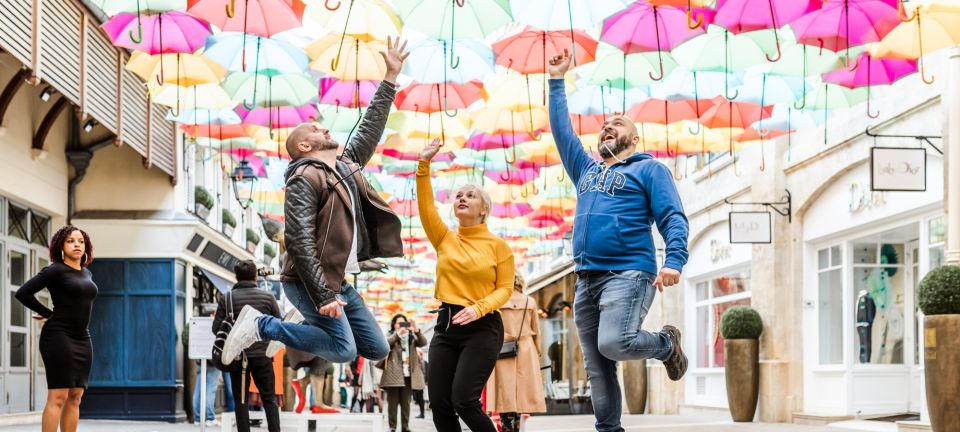
If your idea of a great Paris day includes cobblestones, small shops, and learning why the neighborhood looks the way it does, I’d book it. The private, matched guide is the real value, because it turns Le Marais from scenery into a place with understandable layers. Add the Jewish bakery treats and market time at Marché des Enfants Rouges, and you get both story and flavor without making it a food tour only.
Just go in knowing that you’ll likely spend extra on what you eat and any attraction tickets you decide to add. If that’s fine with your budget and you’re comfortable walking for three hours, this is one of the more satisfying ways to experience Le Marais.
You can also read our reviews of more tours and experiences in Paris.



FAQ
How long is the Le Marais with a local host experience?
It lasts 3 hours.
Is this tour private or group-based?
It’s a private group experience.
What languages are available for the live guide?
The live tour guide is available in English and French.



Are food and drinks included?
No, food and drinks are not included.
Are attraction tickets included?
No, tickets to attractions are not included.
Do I need to arrange transportation?
Transportation is not included, so you’ll handle getting to and from the meeting point.
Is the meeting point fixed?
No. The meeting point is flexible and arranged with your guide in advance.
Is the experience wheelchair accessible?
Yes, it’s wheelchair accessible.
What is the cancellation policy?
You can cancel up to 24 hours in advance for a full refund.