
REVIEW · PARIS
Paris: Couture workshop, upcycle your own jacket
Book on GetYourGuide →Operated by Artwear Studio · Bookable on GetYourGuide
You can turn old fabric into fashion. In Paris, Artwear Studio pairs couture know-how with sustainable upcycling, led by Tara, so you leave with a jacket you helped design.
I love the hands-on cutting and sewing guidance, and I love that you start with a real jacket base plus upcycling materials sourced from luxury cut-offs and thrift finds.
One thing to consider: this is a focused making session, so if you want mostly sightseeing time, you’ll likely find the 3 hours a bit tight.
In This Review
- Key things that make this Paris couture workshop work
- Why a Paris upcycling workshop feels different
- Finding Artwear Studio at the black door (and why punctual matters)
- First steps: meet Tara and see what upcycling can become
- Picking your base jacket: the real design moment
- The couture techniques you’ll learn (and why you’ll actually use them)
- Patchwork
- Cut out
- Embroidery
- Sewing time: turning an old jacket into your unique design
- Finishing and wearing: what you take home after 3 hours
- Price and value: is $170 a fair deal in Paris?
- Who should book this couture upcycling workshop?
- Quick tips before you go (so your jacket turns out better)
- Should you book Paris: Couture workshop, upcycle your own jacket?
- FAQ
- How long is the workshop?
- Where is the meeting point in Paris?
- What is the group size?
- What’s included in the price?
- Can I bring my own jacket to upcycle?
- What techniques will I learn?
- What languages are available during the workshop?
- Is the workshop suitable for children?
- Is there a cancellation option?
- Do I get to take my jacket home?
Key things that make this Paris couture workshop work
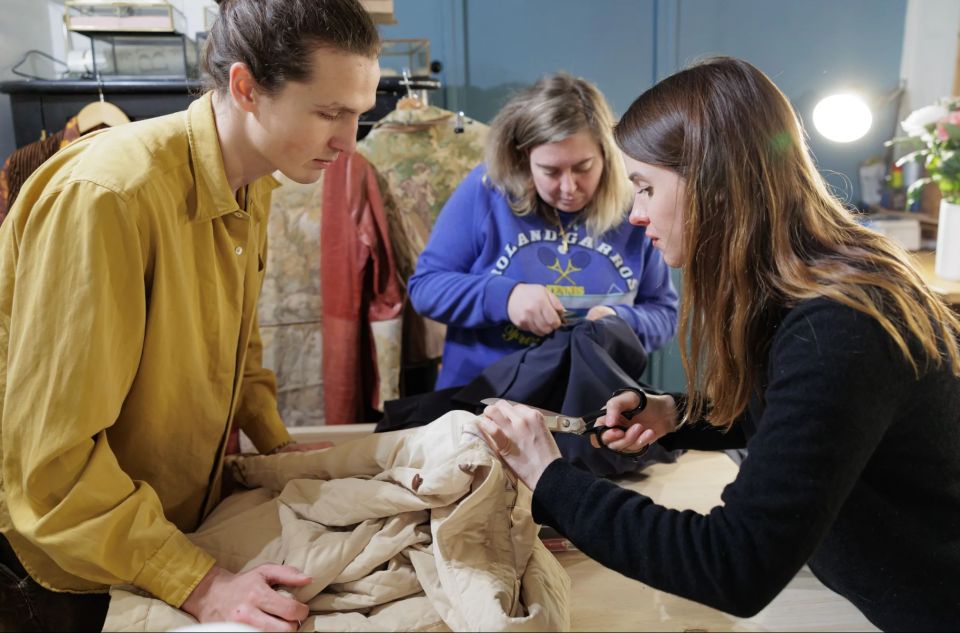
- Small group size (max 5) means you get attention while you cut, stitch, and make choices.
- Tara’s patient, practical teaching helps you move from idea to finished jacket without getting lost.
- Choose your own base jacket from multiple sizes and styles, so your end result doesn’t feel pre-made.
- You learn patchwork, cut out, and embroidery (with an option to do one or combine all three).
- Luxury offcuts + thrift jackets make the materials story part of the fun, and the final look more personal.
- You leave with your jacket after 3 hours, not a vague project you start and finish later.
Why a Paris upcycling workshop feels different
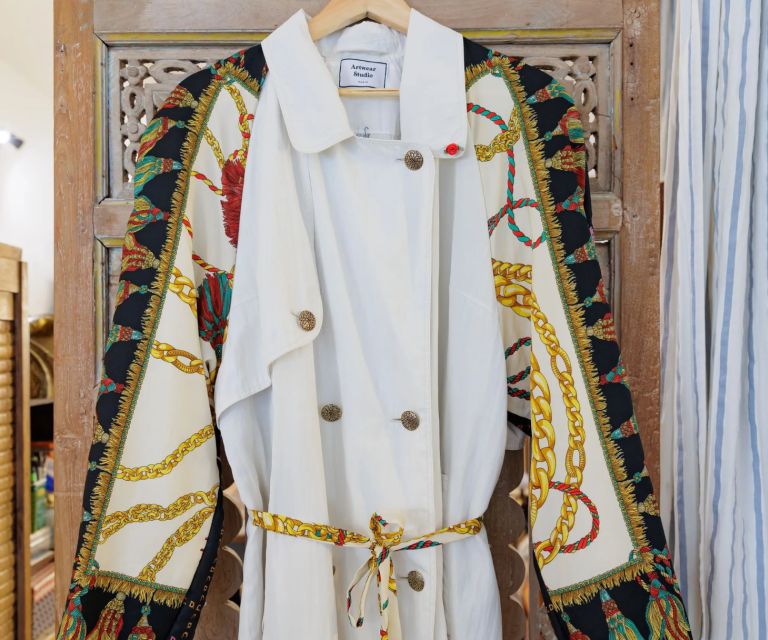
Paris is great for fashion, but this workshop goes one step further. Instead of shopping your way to a wardrobe update, you build one using techniques designers actually use—then you do it with an upcycled mindset. The result is creative and wearable, not just a craft souvenir.
I like how the class frames sustainability as something practical, not preachy. You’re not just told to recycle; you’re taught how to extend the life of fabric by restructuring it into something new. That approach makes the whole session feel useful the moment you start cutting.
Also, you’ll be working in a real Parisian atelier environment, not a classroom vibe. That matters. When you’re surrounded by textiles, tools, and examples of finished pieces, your decisions get clearer. You start thinking like a designer: what stays, what changes, and what makes the final jacket feel like you.
You can also read our reviews of more tours and experiences in Paris



Finding Artwear Studio at the black door (and why punctual matters)
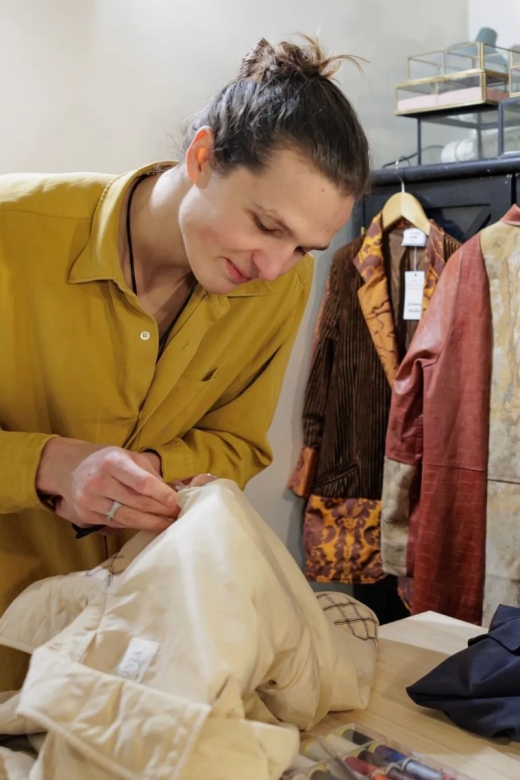
Your meeting point is specific: a black door with code A5961, Building A, 2nd floor. With a 3-hour workshop and a small group, being on time is more than polite. It helps you get settled and start choosing your jacket without rushing your first decisions.
Since the class is limited to 5 participants, the instructor needs everyone ready so cutting and sewing can run smoothly. If you’re running late, you’ll feel it fast—because there’s no “everyone can catch up later” buffer here.
Language is also something you can plan around. The instructor works in English and French, so if you speak either, you’ll have an easier time asking questions while you sew. Even if you’re not fluent, the work is visual. Still, knowing you can switch languages is a relief when you’re staring at a fabric problem and want a clear answer.
First steps: meet Tara and see what upcycling can become
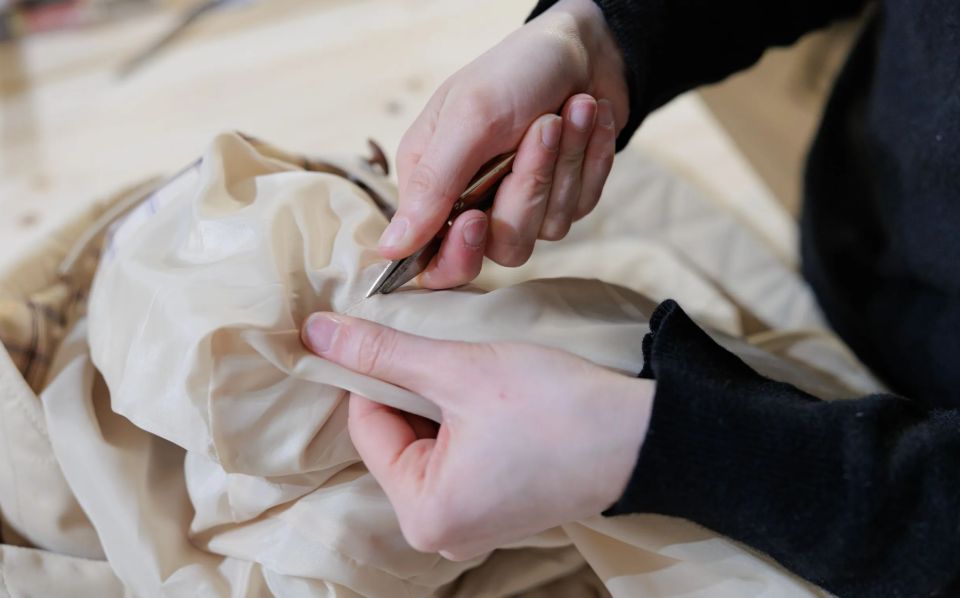
When you arrive at the atelier, Tara welcomes you and sets the tone with an introduction to upcycling. You’ll also get a look at her own creations, which is a huge help. Seeing finished jackets and design choices gives you a realistic sense of what your project could look like by the end of the day.
This part matters because upcycling can mean anything from a patch to full-on transformation. Here, the goal is stronger: you’re expected to make a jacket that looks intentional and durable. The examples make that possible, and they also help you avoid the common problem of copying someone else’s style too literally.
Tara’s vibe comes through in the feedback: people repeatedly highlight her patience and how she teaches in a calm, supportive way. That’s a big deal if you’ve never done couture-style sewing before. You don’t have to feel “naturally talented.” You just need to be ready to learn and try.
Picking your base jacket: the real design moment
Next comes one of the most exciting parts: choosing the base jacket. The atelier has carefully selected jackets in different sizes, plus you can use eco-responsible materials provided for the project. The selection includes options from thrift stores and also uses fabric cut-offs from luxury design houses.
You’ll decide which jacket becomes your upcycled masterpiece. That choice drives everything: where seams sit, how the silhouette looks, and what parts you can cut out or rebuild with patchwork and embroidery. In other words, this isn’t a “paint by numbers” craft. It’s design with constraints.
You also have an optional alternative: you may bring your own jacket to upcycle. That can be a great plan if you already have sentimental meaning in a coat you can’t let go of. Just keep in mind that the workshop supplies enough materials for you to create something new, so bring-your-own works best if your jacket is in a condition you’re ready to alter.
A smart way to choose: look for a jacket with enough structure to support the new details you want. If the base is too flimsy, your added embroidery or cut-out sections won’t hold shape as cleanly. If it’s too rigid, you’ll need to adjust your approach. Tara can guide you once you pick.
The couture techniques you’ll learn (and why you’ll actually use them)
The workshop teaches three techniques: patchwork, cut out, and embroidery. You can focus on one, or you can combine all three if you want a more expressive look.






Patchwork
Patchwork is where you build texture and color with intention. In an upcycled jacket, patchwork can do two jobs: repair and design. If your jacket base needs reinforcement, patchwork can strengthen worn areas. If it’s already in decent shape, patchwork becomes the style engine.
Cut out
Cut out technique is for changing the jacket’s surface in a way that looks modern, graphic, and deliberate. This is also where you’ll start thinking more like a designer: what you remove matters as much as what you add. It’s easy to go too far, though, so learning the right method (and getting feedback while you work) is valuable.
Embroidery
Embroidery adds finishing energy—like a signature. It can make a transformed jacket look curated rather than improvised. Even small embroidery details can tie different fabric parts together visually.
What I like about offering these three techniques is that you get control. If you’re nervous, you can choose the safest entry point (like patchwork). If you’re confident and want drama, you can combine techniques. Either way, you leave with a jacket that reflects your choices, not someone else’s template.
Sewing time: turning an old jacket into your unique design
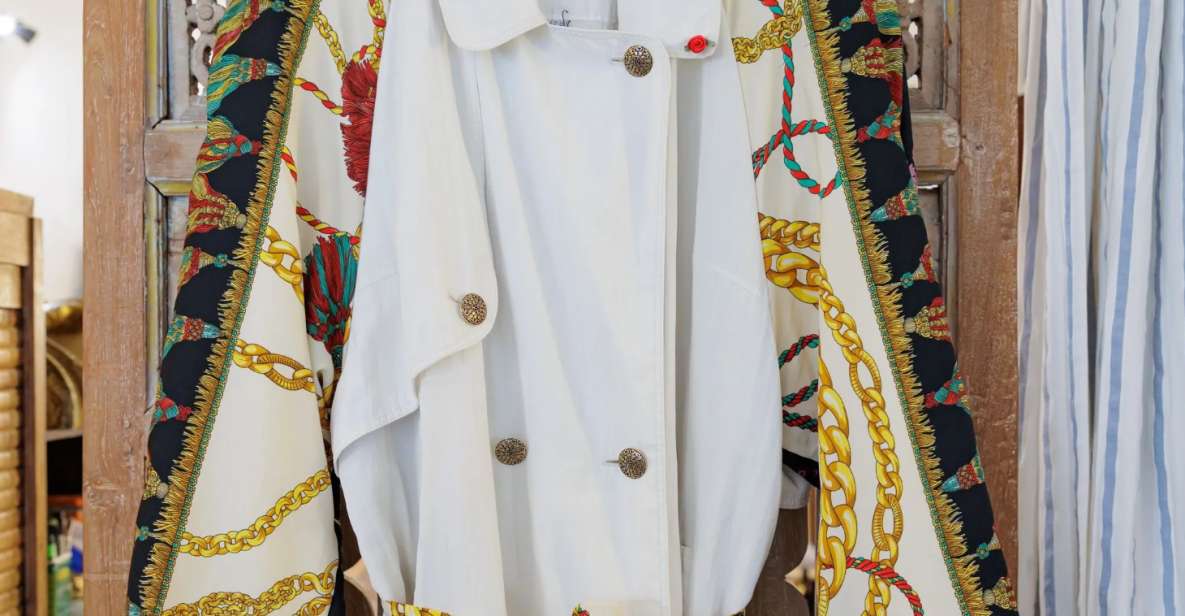
This is where excitement builds. You go from seeing ideas to physically transforming the jacket with your hands: cutting, arranging, and stitching. The workshop pacing is built around guided steps, so you aren’t left alone with tools and guesswork.
In a small group, that matters even more. When you hit a snag—like fabric shifting while you sew or a piece not aligning—there’s time to adjust. Feedback from the workshop points to Tara’s skill and kindness, especially when people need patient help during hands-on moments. In practice, that kind of support prevents frustration from turning a creative session into a stressful one.
You’ll also learn why second life for clothing isn’t only about recycling. It’s about craft and longevity. A jacket can become more than it was originally meant to be. And because you’re building it with couture-style techniques, the end result has a more durable, “made” feel than a quick repair.
Design note: as you work, look for balance. Patchwork needs visual rhythm. Cut-out details need enough structure to stay crisp. Embroidery needs placement that feels intentional, not random. Tara’s guidance helps you make those decisions while you’re still in the design phase, not after things are sewn permanently.
Finishing and wearing: what you take home after 3 hours
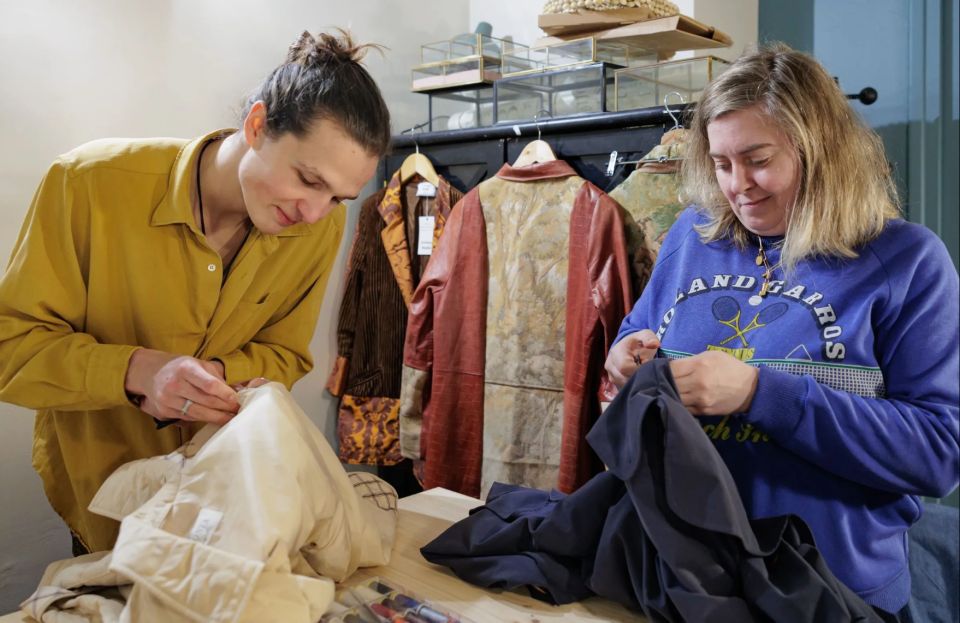
At the end of the workshop, you leave with a jacket that you designed and upcycled yourself. That take-home result is the big practical win. Many craft classes stop short—starting something you finish later. Here, the goal is closure within the session.
Expect that your jacket will feel personal because you made actual design choices: which base jacket you used, which technique(s) you prioritized, and how the fabric details came together. Even if your final look isn’t exactly what you pictured on day one, you still end up with something you can wear rather than something you just keep in a closet.
Also, you’re not only learning how to sew. You’re learning how to think about materials. You’ll understand why giving fabric a second life matters, and you’ll have a clear mental model for how to start your own upcycling at home later.
If you’re hoping for a specific style outcome—like a more minimal look or a bolder graphic cut-out—be ready to communicate those preferences early when choosing your base jacket and technique plan. The earlier you decide, the more confident you’ll feel while stitching.
Price and value: is $170 a fair deal in Paris?
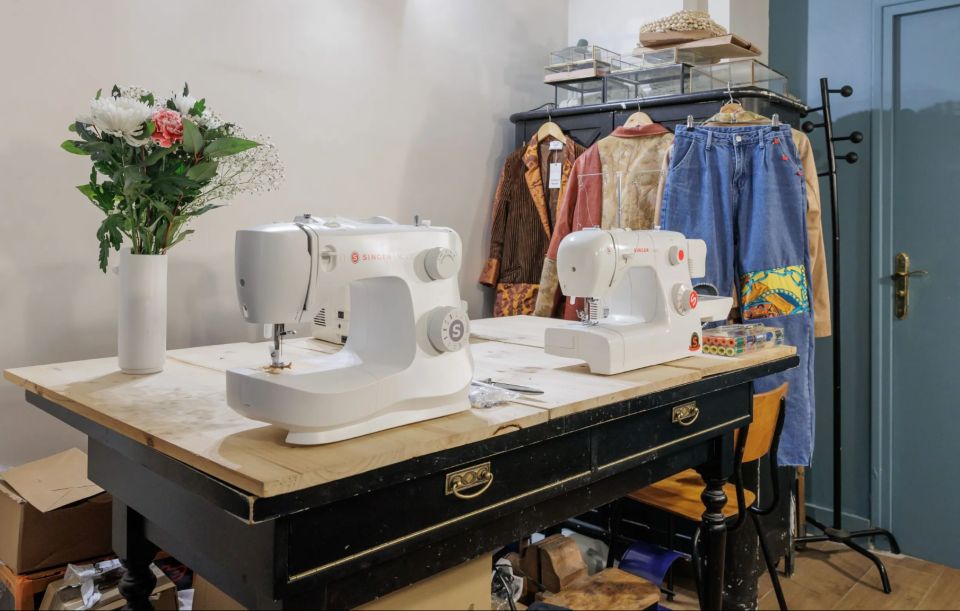
At $170 per person, this isn’t a bargain workshop. But it also isn’t “just sewing lessons.” You’re paying for three things that add real value: a couture-focused instructor-led session, a vintage jacket base to upcycle, and upcycling materials for your custom design.
Here’s how I see the value:
- You’re making a finished jacket you can wear, not a small craft item.
- Materials are included, so you aren’t spending extra on fabric and trims mid-project.
- The class is led by an experienced fashion designer, which is the hard part to replicate on your own.
So the price makes sense if you want a real transformation and you like the idea of designing with constraints. If you only want a light introduction to hand-sewing, you might decide it’s not the best match. But if you’re actively interested in sustainable fashion and want a tangible outcome, it’s strong value for Paris.
Also, the small group size helps justify the cost. With max 5 participants, the attention you receive is more concentrated than in bigger classes. That support can be the difference between a rushed patch job and a clean, intentional jacket.
Who should book this couture upcycling workshop?
You’ll love this if you:
- enjoy hands-on making and want a creative project you can actually wear
- want to learn couture-style techniques in a structured way
- care about sustainable fashion and want skills you can reuse later
- like the idea of choosing from real jacket options rather than working from a fixed pattern
It may not be ideal if you:
- are looking for a mostly sightseeing day in Paris
- want a very beginner-friendly class with no design decisions (here, you’ll choose your base jacket and technique approach)
- are traveling with young kids, since it’s not suitable for children under 10
The class also fits well for visitors who want something beyond typical “Paris experiences.” If you’ve done perfume, pastry, or museum tours already, this adds a different flavor: craft, creativity, and a real Parisian atelier feel.
Quick tips before you go (so your jacket turns out better)
Don’t overthink outfit planning, but do think about what you wear to work. You’ll be working in sewing mode with cutting and stitching steps. Comfortable clothes matter because you’ll move around the table and spend a chunk of time focused on your jacket.
If you can, arrive with a simple idea of what you want. Not a detailed sketch—just a direction. For example: more embroidery details, or more bold cut-out design, or a mostly patchwork look.
And if you plan to bring your own jacket, consider it carefully. The workshop includes a vintage jacket base to upcycle, so your own jacket is best when it has structure and you’re ready to alter it. If it’s very fragile or already badly damaged, you might find it harder to get a clean result in a single 3-hour session.
Should you book Paris: Couture workshop, upcycle your own jacket?
I’d book it if you want a hands-on, skill-building Paris experience with a real end product. The workshop’s biggest strengths are clear: Tara’s patient teaching, the hands-on cutting and sewing, and the fact that you get to leave with a one-of-a-kind jacket you helped design. And the sustainable angle isn’t vague—you’re using eco-responsible materials and learning techniques you can carry forward.
Skip it if your top priority is sightseeing or if you only want a small, casual craft activity. This is a focused workshop, and it asks you to make creative decisions early.
If you’re the type who likes fashion, likes to learn practical skills, and wants something you can wear after Paris is over, this is a solid choice.
FAQ
How long is the workshop?
The workshop lasts 3 hours.
Where is the meeting point in Paris?
You’ll meet at a black door with code A5961, Building A, 2nd floor.
What is the group size?
The group is limited to a small size of up to 5 participants.
What’s included in the price?
The price includes a 3-hour sewing workshop with an established designer, a vintage jacket to upcycle, and upcycling materials to create a custom piece.
Can I bring my own jacket to upcycle?
Yes, bringing your own jacket is optional.
What techniques will I learn?
You’ll be guided through patchwork, cut out, and embroidery. You can choose one technique or combine all three.
What languages are available during the workshop?
The instructor speaks English and French.
Is the workshop suitable for children?
It’s not suitable for children under 10.
Is there a cancellation option?
Yes, you can cancel up to 24 hours in advance for a full refund.
Do I get to take my jacket home?
Yes. You leave with your unique upcycled jacket after the workshop.