REVIEW · PARIS
Paris: Aura Invalides Immersive Experience Entry Ticket
Book on GetYourGuide →Operated by Cultival · Bookable on GetYourGuide
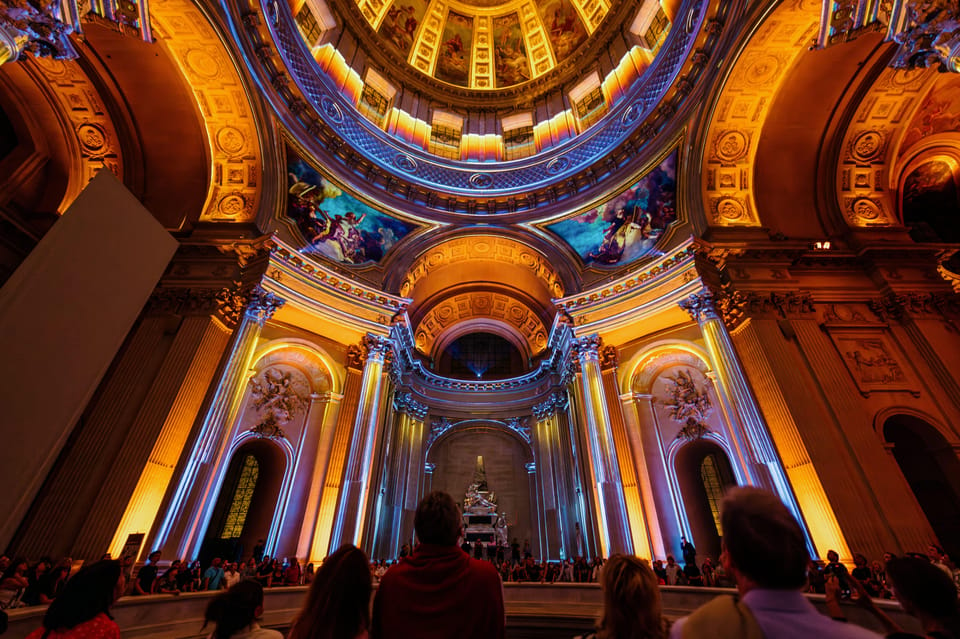
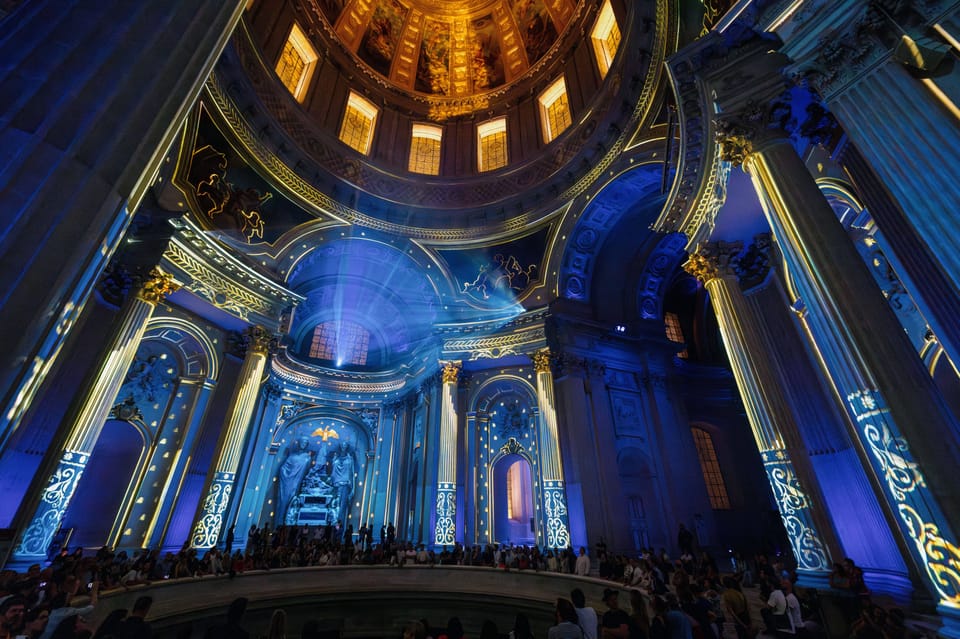
Napoleon’s tomb looks different at night. I love how Dôme des Invalides turns into a cinematic space with lights, video mapping, and spatialized sound, and you get to experience the architecture up close as the show guides your attention. One thing to plan for: the production uses flickering lights and a high sound level, so it may be an issue if you’re sensitive to noise or light effects.
This is also one of those rare Paris evening experiences that feels like both spectacle and reflection. You enter via Place Vauban (not the Esplanade side), and you’ll move through the dome and its chapels as the story unfolds, with a session start that’s a bit later than you might expect. It’s about 50 minutes total, but the venue is cold and has stairs both inside and outside.
In This Review
- Key things to know before you watch Aura Invalides
- First stop: entering through Place Vauban (and why the Esplanade door matters)
- What the 50-minute experience actually feels like once you’re inside
- Napoleon’s tomb and the dome ceiling: why the show works in this building
- The six chapels route: guided attention without a traditional tour
- Seating on staircases, crowd reality, and how to find a good spot
- Comfort tips: cold, stairs, sound volume, and no on-site basics
- Languages, timing, and the vibe of a multi-language show
- Price and value: is $33 worth it for a 50-minute night show?
- Who should book Aura Invalides at Dôme des Invalides
- Should you book this Paris night show?
- FAQ
- How long is the Aura Invalides experience?
- Where do I enter the Dôme des Invalides for Aura Invalides?
- What if I arrive late?
- Is food or drinks included?
- Are strollers or large bags allowed?
- Is it suitable for young children?
- Is it wheelchair accessible?
Key things to know before you watch Aura Invalides
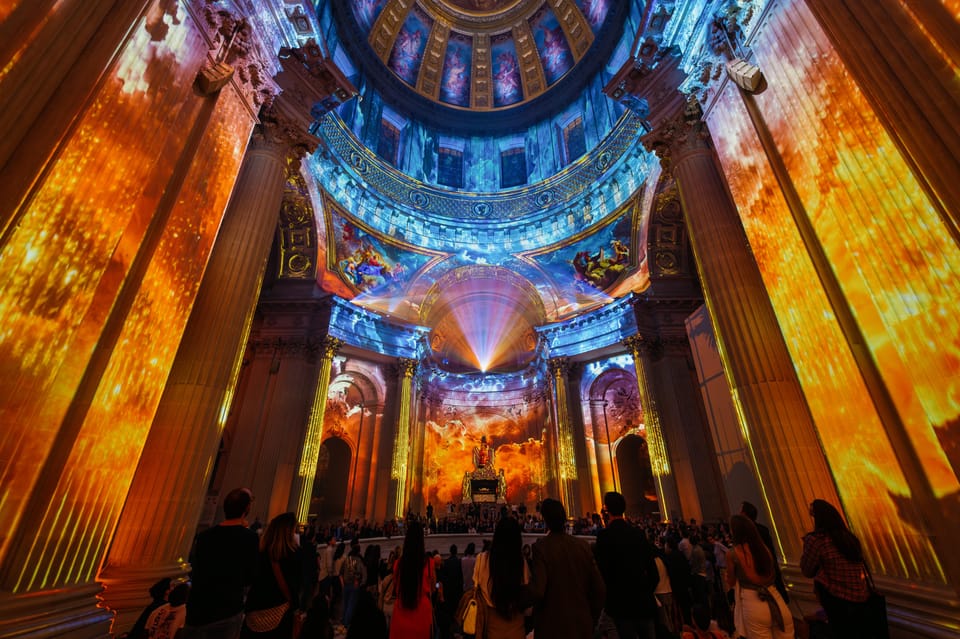
- Three-part sensory show: lights and video mapping paired with orchestral music and spatialized sound.
- Guided looking inside the dome: you follow light cues and pay attention to key architectural spots, including Napoleon I’s tomb.
- Six chapels at night: you’re led across the site and encouraged to explore how the chapels read in darkness.
- Plan for noise and flicker: higher volume and intermittent lighting effects are part of the show design.
- It’s not a casual stroll: ambulatory route with stairs; no strollers or large bags allowed.
- Cold inside the Dôme: wear warm layers and expect limited on-site comforts.
First stop: entering through Place Vauban (and why the Esplanade door matters)
Your evening begins at the Place Vauban entrance, on the Dôme des Invalides side. It’s the way in near the Ecole Militaire or St François Xavier metro stations. The important catch: no one gets admitted via the Esplanade entrance, and there’s about a 12-minute walk between the two entrances.
So don’t treat this like a typical museum entry where you can wander up to the closest door. Pick a meeting route now, arrive with enough time to find Place Vauban, and then get in line. The site is clearly set up for timed access, and once you’re there you’ll want to focus on getting positioned—not trying to re-route your way at the last second.
Also note the show pacing works a little differently than you may expect: ticket holders are checked in and the show begins a bit after your listed session time. In other words, you don’t just walk in and immediately start watching.
You can also read our reviews of more tours and experiences in Paris


What the 50-minute experience actually feels like once you’re inside
The show lasts about 50 minutes, but your ticket’s session time is not the exact show start. The experience begins roughly 20 minutes after the session time printed on your ticket. That lag matters because you’ll likely be waiting inside as the group is staged and guided.
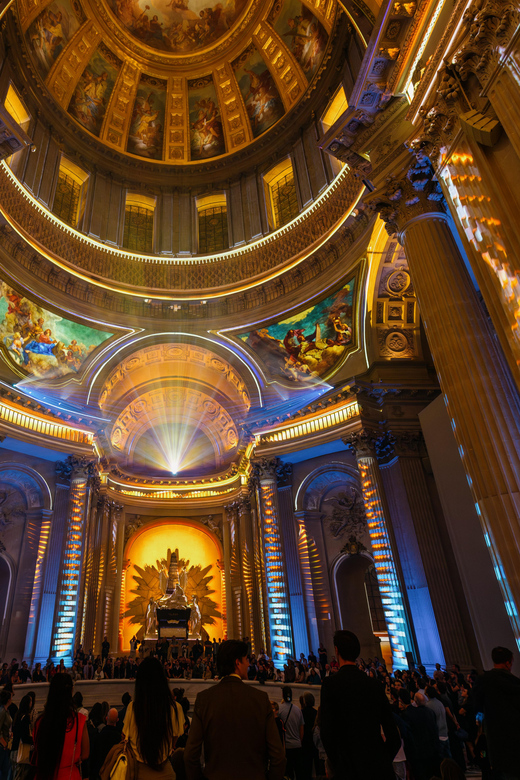
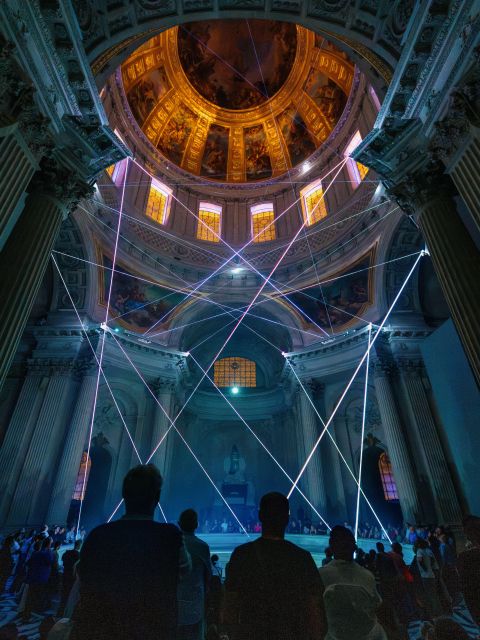
Once the lights cue up, Aura Invalides becomes a three-part sensory journey. You’ll follow the architecture as the visuals and sound roll over the space. One of the best parts is that it’s not totally static. The experience includes moments where you’re encouraged to move and re-position while the show evolves.
A common rhythm goes like this:
- You start with a strong establishing look at the dome’s monumental interior.
- Then the production pulls you toward the narrative center points, especially around Napoleon I’s tomb and the architectural details above.
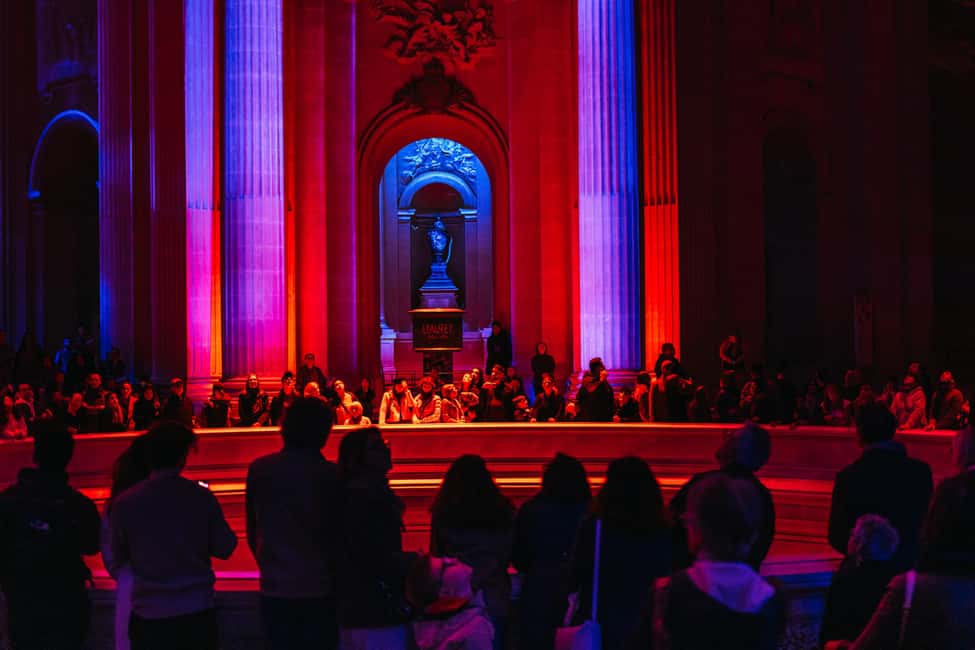
- There’s also time built in for you to focus on the six chapels, so you can see how the “same place” feels different when the lighting shifts.
One practical note: the experience is ambulatory. You’ll be on your feet, shifting around, and using stairs both inside and outside the dome. If you like comfort, plan for that. If you hate it, you’ll feel it fast.
Napoleon’s tomb and the dome ceiling: why the show works in this building
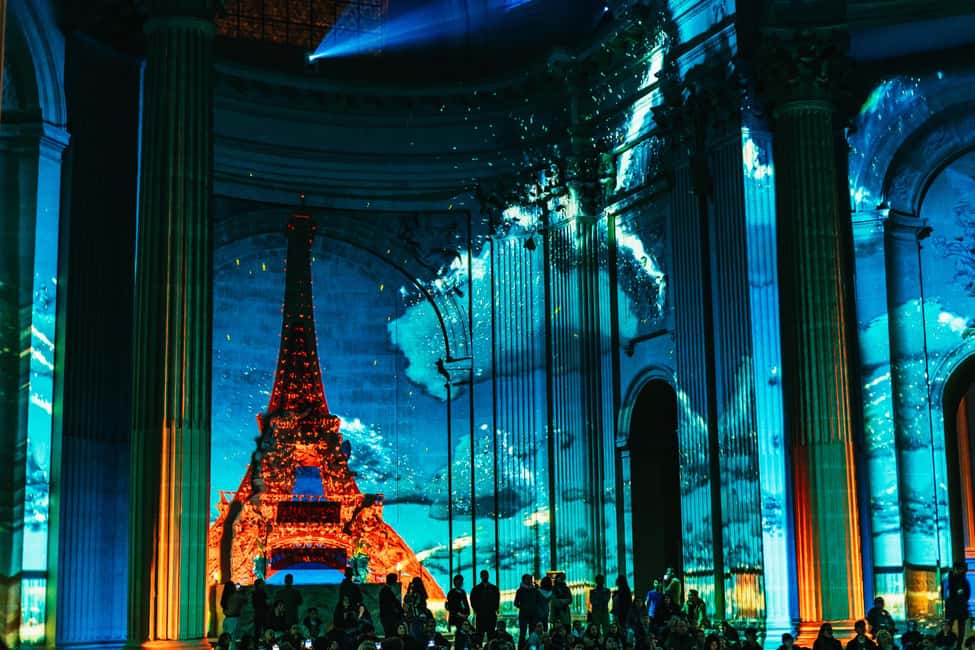
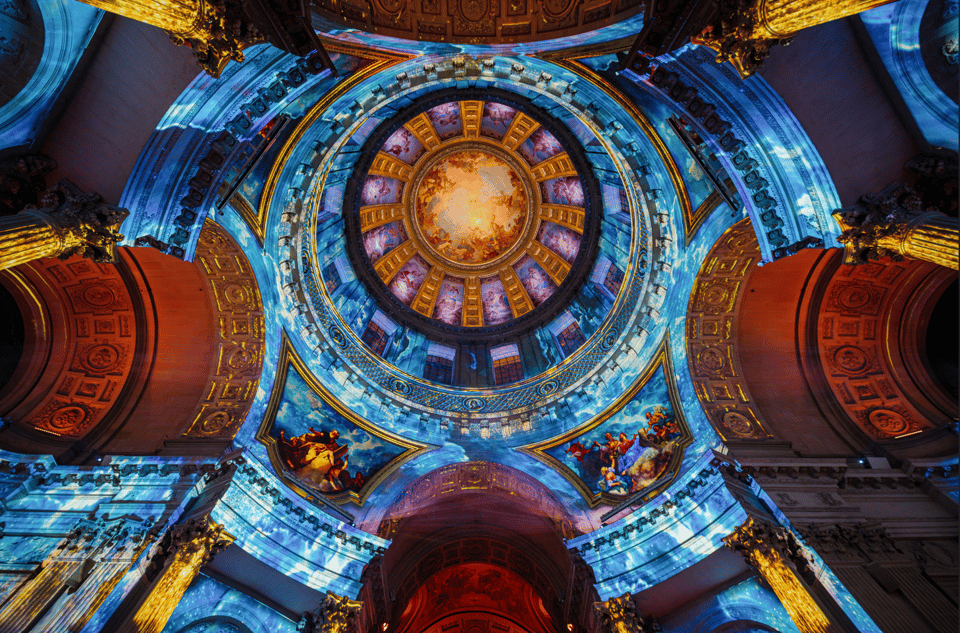
Aura Invalides leans hard into the strengths of its setting. The Dôme des Invalides is already dramatic in daylight, with towering proportions—decorative painting on the vaulted ceiling reaches up to about 90 meters—but at night those details become something else. The show uses video mapping, lighting effects, and orchestral music to turn architectural surfaces into moving “scenes.”
You’re not just looking at a monument. You’re looking at it while the building responds—visually and acoustically. Spatialized sound helps the atmosphere feel larger than a standard speaker system, and it changes how the music lands in your body. That’s why people come out saying they felt chills or emotional lift. This isn’t just a technical light show; it’s a sound-and-light atmosphere designed to make you feel small in a good way.
The narrative angle is also important. There’s some screen-based storytelling alongside the music, but the experience is still mainly about guided attention. You’ll likely come away knowing a few key context points about the site, but this is not a full lecture tour.
If you want dates and deep history facts, you might prefer a daytime visit to get the background first. Then the night show becomes the emotional payoff.
The six chapels route: guided attention without a traditional tour
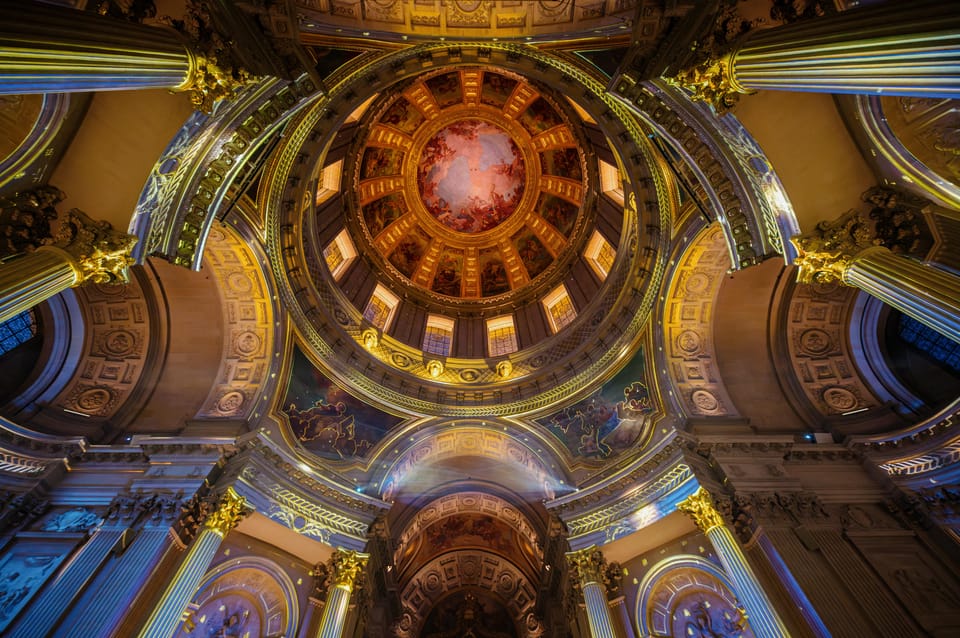
One of the most distinctive aspects is that the show brings you into the six chapels of the site at nighttime. Guided by light, you’re encouraged to explore what changes when the space is lit like a stage.
This also explains a pattern you’ll notice during the show: you might start watching from one spot, then later you’ll have time to shift your position and take in chapel views that aren’t visible from where you first enter. Some shows keep you locked in place. This one gives you enough movement that you can actually see the site’s different “faces.”
Now, one expectation check: this is mostly an audiovisual production rather than a traditional guided tour with a chatty expert leading every step. Some people find that fine; others feel slightly under-informed when they expected a more guided narrative from a person. If you like structure and explanations, you’ll probably get the most satisfaction if you come in with at least a basic curiosity about what you’re seeing.
Seating on staircases, crowd reality, and how to find a good spot
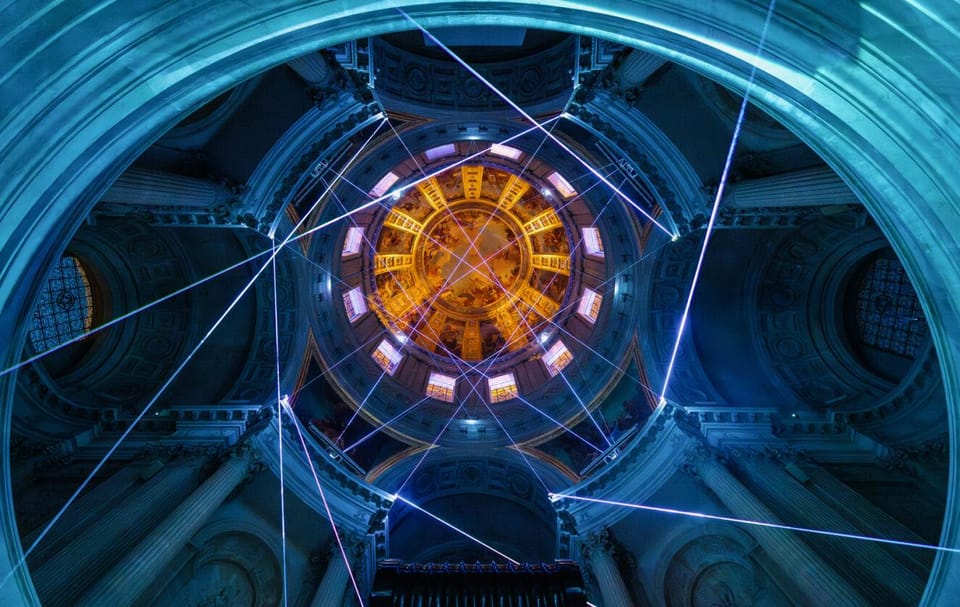
Inside, you’ll have the chance to sit on stair steps during key moments, including seating areas built into the architecture. Just remember the stairs aren’t designed like a concert hall. Some seating spots don’t give you much back support, so be ready to lean forward or sit carefully if you’re sensitive to posture discomfort.
Crowds can build because this is an indoor evening event with a very popular venue. The good news is that the space is large enough that you usually can find a workable view without fighting for it for hours. Still, plan to be flexible. You’ll be switching between watching and moving, and you’ll likely spend some of the show standing while the light cues shift.
A tip that tends to pay off: aim to position yourself so you can see the main visual elements clearly when the show’s most important moments roll in. If you’re the type who likes getting the best view, consider taking a seat on the steps and then adjusting slightly as the production changes angles.

Comfort tips: cold, stairs, sound volume, and no on-site basics
This is one of those Paris experiences where comfort planning matters more than you think.
- Wear warm clothing. The Dôme des Invalides can be quite cold inside.
- Bring ear protection if you’re sound-sensitive. There’s high sound volume, and the flickering lights are part of the effect.
- Expect stairs. The experience includes stairs inside and outside the dome, and the route is ambulatory.
- No strollers or large bags. For safety reasons, you can’t bring baby strollers, luggage, or bulky items.
- No toilets, no changing rooms, no catering. You’re on your own for the basics before you enter.
Food and drinks are not included, and consumption is prohibited throughout the site. Smoking is prohibited too, including electronic cigarettes.
If you’re coming straight after a long day walking Paris, do yourself a favor: stop for water before you arrive, put on comfortable shoes that work on steps, and don’t count on being able to duck out to use facilities once you’re in.
Languages, timing, and the vibe of a multi-language show
Aura Invalides is designed for a broad audience. There are host/greeter options in a long list of languages, including French, English, German, Italian, Spanish, Japanese, Korean, Chinese, and many more.
But here’s the key practical takeaway: even with multiple languages offered, you should still expect a “show-first” format. The experience is driven by lights, music, video, and the building itself. The language support helps you get oriented and settled, but don’t come expecting a traditional guided commentary in the style of a walking tour.
Timing matters too. No latecomers are admitted once the experience begins. Arrive with a margin so you’re not rushing through the final steps.
Price and value: is $33 worth it for a 50-minute night show?
At around $33 per person for a show that runs about 50 minutes, the price works out to you paying for a high-production evening event inside one of Paris’ most iconic monuments. You’re not paying for a guided tour with long narration and multiple stops across the city. You’re paying for access to a premium audiovisual experience in a very special setting.
Here’s how I judge value for this kind of ticket:
- If you love architecture and want to see it reinterpreted through modern tech, you’re likely to feel it’s worth it.
- If you only want history facts, you might feel under-served because the show is mostly light-and-sound storytelling rather than a detailed lesson.
- If you’re looking for an easy, indoor evening plan that works well in winter, this is one of the stronger choices in central Paris.
Also, the ticket includes entry to Aura Invalides itself and nothing else—so treat it as an evening anchor. Plan dinner separately.
Who should book Aura Invalides at Dôme des Invalides
This experience fits best if you:
- Want a memorable night plan in a famous monument.
- Enjoy music + visuals and like being guided to look closely at architecture.
- Are traveling in winter or on a cold-weather evening and prefer indoor activities.
- Are comfortable with stairs and standing/moving during parts of the show.
You should think twice or skip if you:
- Have trouble with loud sound levels or flickering lights.
- Need wheelchair access (the experience is not suitable for wheelchair users).
- Are traveling with very young kids (not recommended for children under 5).
- Need easy bathroom access or on-site food/drink options (there aren’t any).
Should you book this Paris night show?
Book Aura Invalides if you want an emotional, high-tech way to experience Napoleon’s tomb and the dome’s chapels after dark. It’s short enough to fit into a busy itinerary, and the setting gives the show a feeling you can’t replicate in a generic theater.
Skip it if your priority is a serious history lecture, easy comfort, or a fully accessible route. Also, if your body reacts poorly to sound or light effects, protect yourself with earplugs and warm layers—or choose a quieter museum evening instead.
If you’re on the fence, I’d make one simple call: if you like light-and-sound productions and you’re curious about how modern tech can frame classic architecture, this one is a strong bet.
FAQ
How long is the Aura Invalides experience?
The show lasts about 50 minutes. There’s also a timing detail: the experience begins about 20 minutes after the session time shown on your ticket.
Where do I enter the Dôme des Invalides for Aura Invalides?
Enter via Place Vauban on the Dôme des Invalides side, near the Ecole Militaire or St François Xavier metro stations. There is no entry via the Esplanade entrance.
What if I arrive late?
No latecomers are admitted after the beginning of the experience. Plan to be there early enough to get in before the start.
Is food or drinks included?
No. Food and drinks are not included, and eating or drinking is prohibited throughout the site.
Are strollers or large bags allowed?
No. Baby strollers and luggage or large bags are not allowed, and bulky items are also prohibited.
Is it suitable for young children?
It’s not recommended for children under 5 years old.
Is it wheelchair accessible?
No. The experience is not suitable for wheelchair users.