REVIEW · PANTHEON PARIS
Paris: Panthéon Admission Ticket
Book on GetYourGuide →Operated by Distributor: GetYourGuide Tours & Tickets GmbH · Bookable on GetYourGuide
The Panthéon turns French history into architecture. I love the sheer scale of Soufflot’s masterpiece and the way the crypt feels like a who’s-who wall of the country. One small catch: the most guided-feeling experience usually comes from an extra audio guide you have to pay for onsite.
This is a straightforward visit that fits your schedule. Your ticket covers self-guided entry at any time you choose on your chosen day, and you get an information booklet (online or at the entrance) to keep you moving without guessing. Just plan to bring an ID/passport, and leave luggage at home since large bags aren’t allowed.
In This Review
- Key points I’d plan around
- Entering the Panthéon: where you go and what to bring
- Soufflot’s building: why this place feels different inside
- Your self-guided route: what to see and how long to plan
- When you’re short on time
- The crypt: 70+ tombs and the names you’ll recognize
- The dome and the restored upper floors (April to October)
- The pendulum display and the interactive moments
- Audio guide vs. booklet: what’s worth paying for
- Price and value: is ~$15 a good deal
- Timing, closures, and the crowd reality
- Accessibility: getting in and moving around
- Should you book this Panthéon ticket?
- FAQ
- Is this ticket self-guided?
- Does the ticket include an audio guide?
- Where is the Panthéon entrance?
- What should I bring with me?
- Can I use the ticket any day and at any time?
- When is the last entry?
- Are there days when the Panthéon is free?
Key points I’d plan around
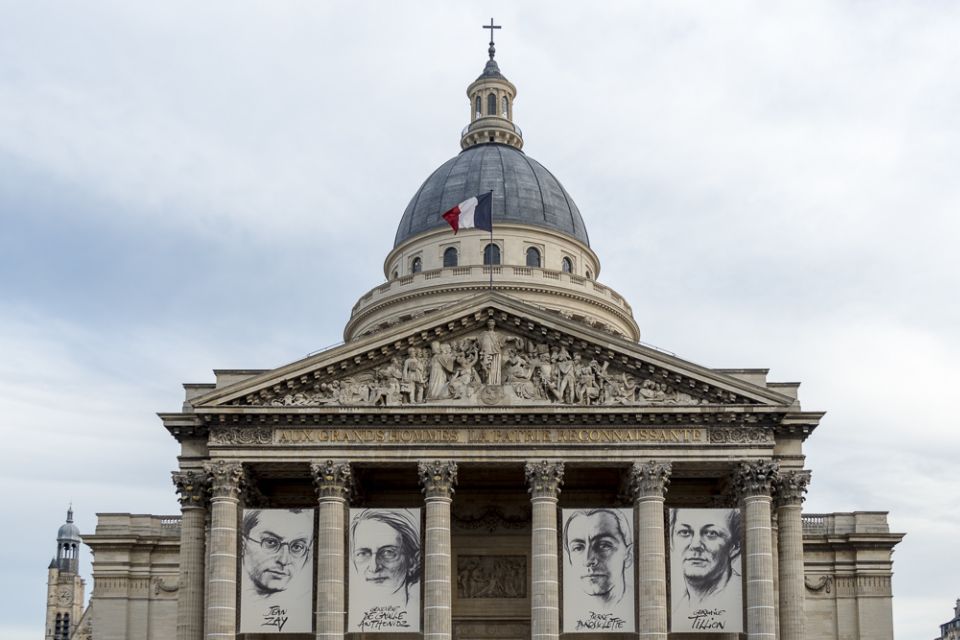
- Self-guided pace means you can linger with the art and stop when the building starts to make sense.
- Soufflot’s story is built into the visit, from Sainte-Geneviève to the Panthéon after 1791.
- Crypt tombs of 70+ figures include names like Voltaire, Jean-Jacques Rousseau, Émile Zola, Alexandre Dumas, and Marie Curie.
- Pendulum moment: you’ll spot the Foucault pendulum display and can compare what you see when you arrive vs. when you leave.
- Top-floor views are available from April to October, if the restored upper floors are open during your dates.
- Audio guide is optional but it’s often the difference between reading facts and following the building’s narrative.
Entering the Panthéon: where you go and what to bring
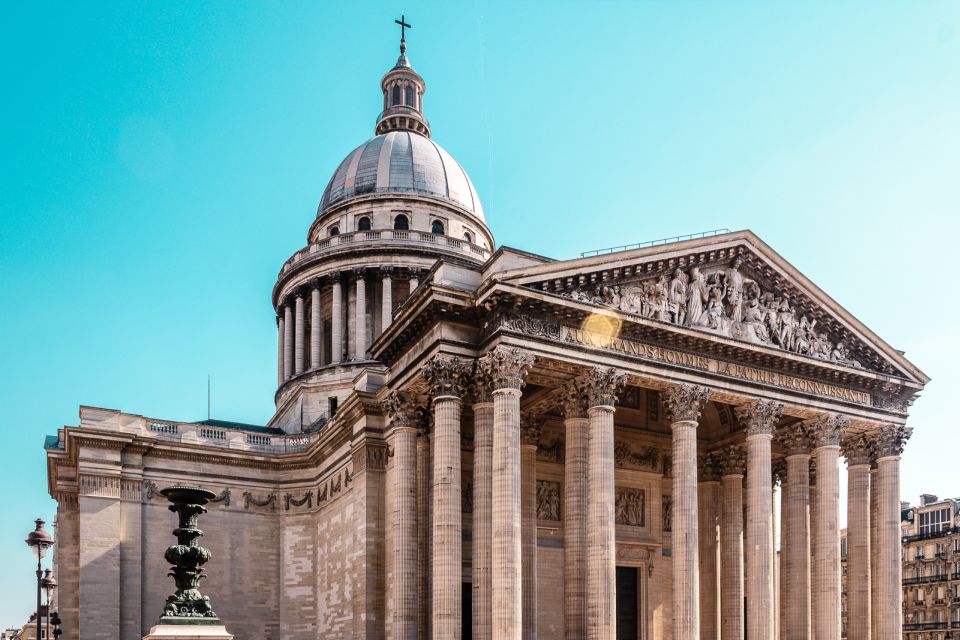
Start at the Panthéon entrance on Place du Panthéon (75005 Paris). This is one of those spots where having your ticket ready really matters—less waiting, more time in the monument.
Bring your passport or ID card. If you’re using free entry rules (for example, EU citizens under 26, or visitors under 18), you’ll need a photo ID shown first at the ticketing station before you go into the monument. Also, leave luggage and large bags behind; the site restricts them.
One timing detail worth not ignoring: the last admission is 45 minutes before closing, so don’t roll in at the last second and hope for the best.
Soufflot’s building: why this place feels different inside
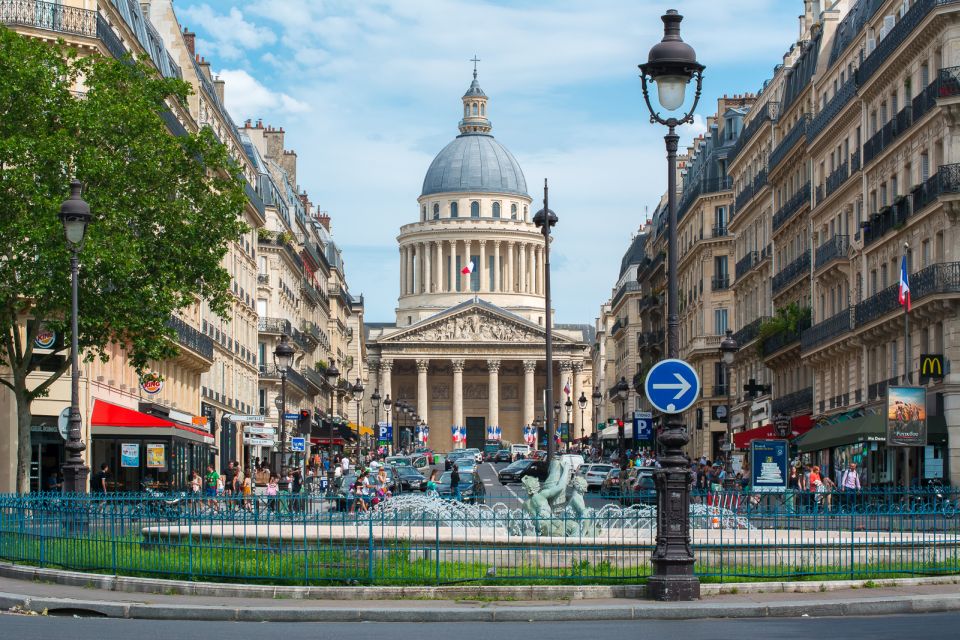
The Panthéon is not just a pretty big dome. It’s a former church that reflects France’s shifting identity. The architect Germain Soufflot (1713–1780) created a monumental plan—created as the royal church of Sainte-Geneviève, tied to Louis XV’s desire to glorify the monarchy in church form.
Then history did what it does: in 1791 the building was deconsecrated during the French Revolution and renamed the Panthéon. The 19th century kept changing its meaning, toggling between a religious monument and a patriotic one. If you pay attention to the symbolism and the statuary, you’ll feel that tension in the experience. It’s not a “set-and-forget” museum. It’s a building that has been repurposed, and that matters.
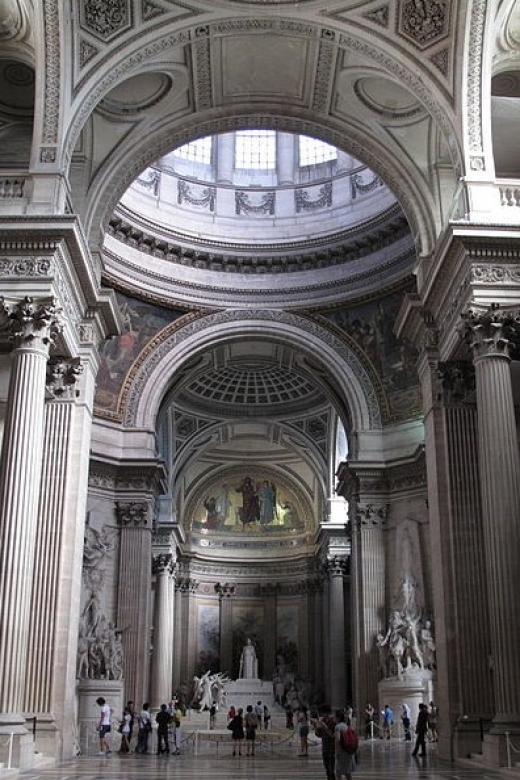
Inside, you’ll move through spaces designed for awe—high ceilings, grand scale, and artwork that repeats motifs in different rooms. Some visitors find the crypt the most moving part, while others feel the crypt is less spectacular than they expected. Either way, the building’s design and size will do most of the work for you.
Your self-guided route: what to see and how long to plan
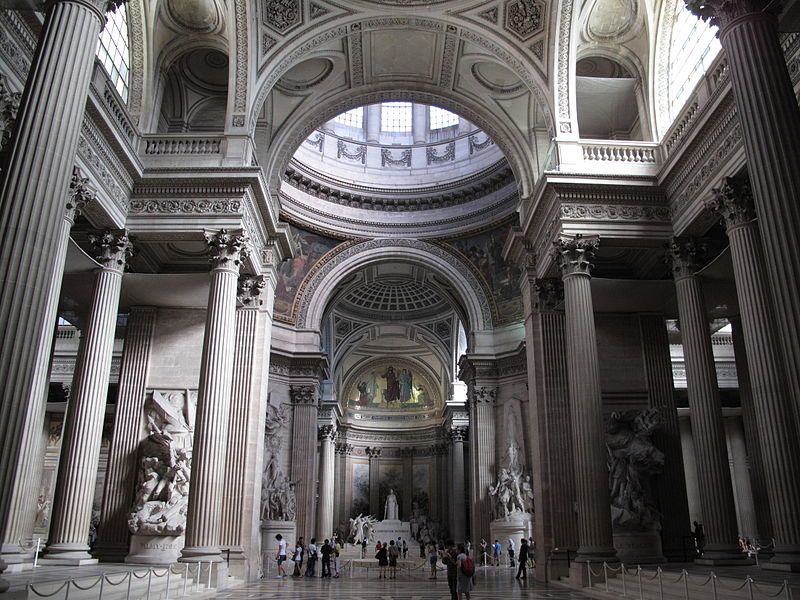
This ticket is built for a self-guided visit. You’ll get an information booklet (either online or at the entrance), and you can follow it at your pace. There’s also a guided tour option offered every afternoon (subject to availability), but it’s not part of the ticket you’re buying here.
A practical way to plan it:
- Start with the main monument areas first, then head downstairs for the crypt.
- If the upper floors are open during your dates, save them for the end so you can finish with views.
How long? Reviews often land around about an hour for a full pass, but you can easily stretch it longer if you stop to read and linger in the tomb areas. If you’re the type who likes to walk slowly and take in details (architecture, plaques, and sculptures), plan more time.
When you’re short on time
If you only have a limited window, focus on:
1) the main interior,
2) the crypt tombs,
3) anything interactive you spot like the pendulum display.
You can always come back for second viewing, but you can’t beat a good first circuit when you’re there.
The crypt: 70+ tombs and the names you’ll recognize
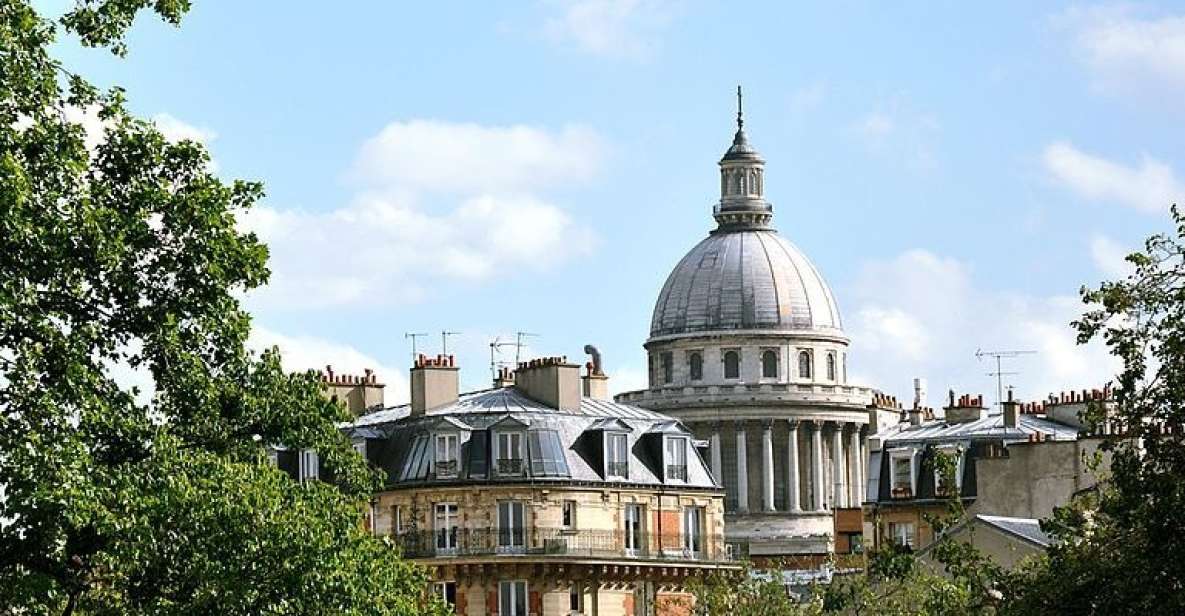
The crypt is the heart for most people. It houses tombs of 70+ illustrious figures of French history—so many that you’ll probably recognize at least a handful immediately.
Key names you can look for:
- Voltaire
- Jean-Jacques Rousseau
- Émile Zola
- Alexandre Dumas
- Pierre and Marie Curie
- Victor Hugo (noted as the reason the Panthéon became a resting place for major figures after his death in 1885)
Even if you’re not a French-history superfan, the crypt helps you connect people to the country’s ideas—writers, scientists, generals, clergy, and politicians in one concentrated space.
A balanced note: the crypt is small compared to the main monument above, so if you’re expecting it to be the biggest thing visually, you might feel it’s quieter than the main dome experience. Still, it’s packed with meaning, and it’s where the Panthéon stops being “architecture” and starts being a human record.
The dome and the restored upper floors (April to October)
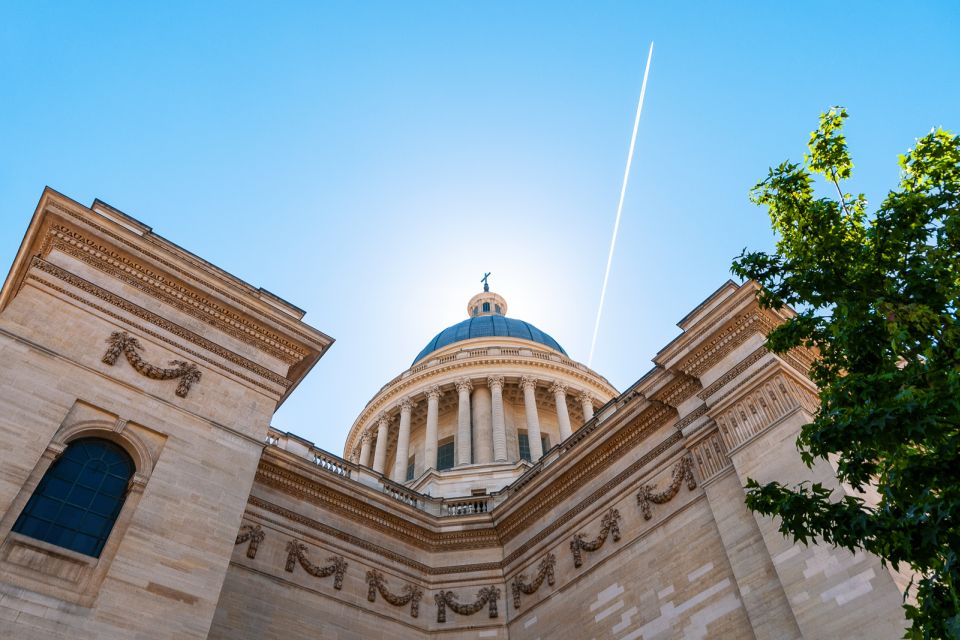
From April to October, you can enjoy superb views across Paris from the recently restored upper floors. This is the part that turns your visit from “interesting” into “I want a photo right now,” because you get a sense of where you are in the city.
Add this to your plan early, not late. If you wait too long, you risk running into closing time or missing your last admission window. And if you’re visiting in colder months, you’ll still have plenty to enjoy—just know the top-floor views aren’t a year-round feature based on the info provided.
The pendulum display and the interactive moments
The Panthéon has more going on than tomb plaques. One standout interactive element is the pendulum display. It’s easy to miss if you just rush, but if you slow down, it’s a nice break from reading.
Here’s a smart way to use it: check the reading on the pendulum when you arrive, then recheck it when you leave. That little A-to-B comparison makes the experience feel more real, not just like a static object.
You may also see small displays and devices that explain things visually, including audio/video-style prompts. There’s even a small model of the Panthéon that can help you understand the building’s shape. Some visitors find the repeated artwork and statues a bit repetitive if you’ve just come from other major monuments, but the interactions and the tomb stories keep the attention from drifting.
Audio guide vs. booklet: what’s worth paying for
The ticket includes a self-guided tour plus an information booklet (online or at the entrance). That’s enough to enjoy the monument if you like reading and moving at your own pace.
But the onsite audio guide is where the visit can feel more guided. It’s not included; you pay separately at the monument. Some people find it very smooth and helpful, even saying the audio experience is well done and easy to follow. Others note the devices can be a little tricky at first—so if that happens, don’t panic. Give yourself a minute to get it working, and keep going. The payoff is that you’ll understand what you’re looking at as you walk.
If you’re the kind of traveler who likes to “read the room” and learn while you move, I’d lean toward the audio guide. If you’re traveling with limited funds and you’re okay with self-directed reading, the booklet can carry you.
Price and value: is ~$15 a good deal
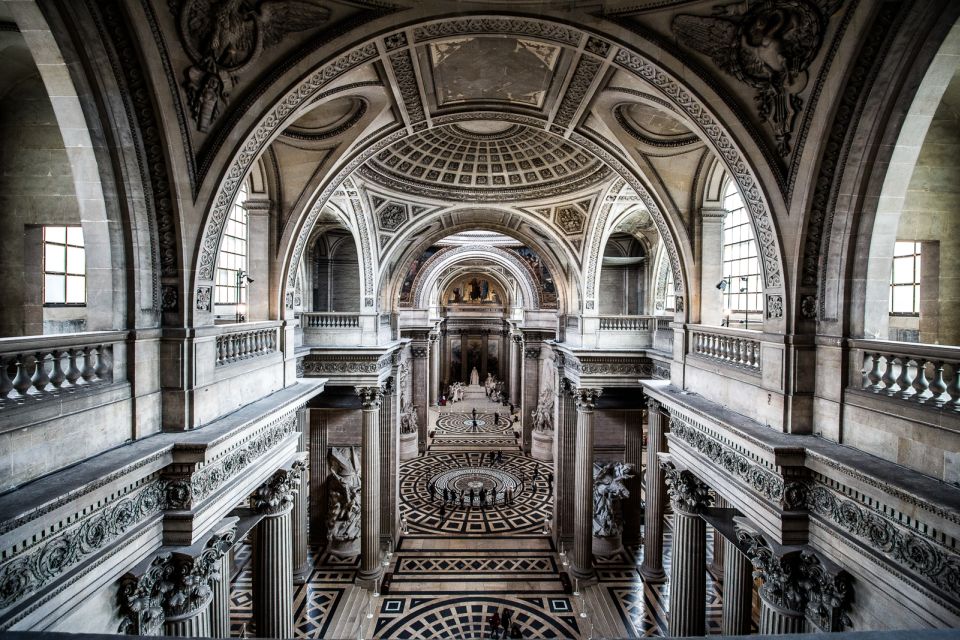
At about $15 per person, the Panthéon ticket can feel like a bargain—especially compared with big-name museums that charge much more and keep you out longer. This is partly because the monument is doing a lot of value work for you:
- You get a world-famous interior and dome experience.
- You get access to the crypt with 70+ significant burials.
- You get optional add-ons (like the audio guide and upper-floor views when open).
From the reviews, people repeatedly call out the “smooth entry” feeling and the fact that advance ticketing helps you avoid the hassle of standing around. Even when someone says the crypt is less spectacular than expected, they still describe the monument as worth the money.
My take: if you care about history, architecture, or names you’ve heard in school, this is strong value. If you’re only chasing views and you skip the tomb stories, you might finish faster than you expected—so decide based on what you want from Paris.
Timing, closures, and the crowd reality
The Panthéon isn’t open exactly like a café. It has closure dates you should check before you plan your day:
- January 1st, May 1st, and December 25 are closed.
- June 5 opens at 12:00 PM.
- On December 24 and December 31, it closes at 4:00 PM.
- Last admission is 45 minutes before closing.
For crowds, the good news is the building is large. Reviews often note it can feel less crowded than other major sights, especially on weekdays. But if you show up when it’s busy, you’ll spend more time threading through other people rather than taking in the architecture at your pace. Since this is self-guided, you can still enjoy it—you just may need to accept a slower flow.
Accessibility: getting in and moving around
The Panthéon is wheelchair accessible. There’s an exterior ramp access route that gives access to part of the nave. If accessibility is central to your trip, it’s smart to plan extra time so you’re not rushing between areas.
Also remember: luggage and large bags aren’t allowed, which can matter if you’re traveling with bulky day packs or suitcases. A smaller bag keeps the whole experience easier.
Should you book this Panthéon ticket?
Book it if you want a high-impact Paris stop that’s flexible and easy to fit into your day. The ticket price is reasonable for what you get: Soufflot’s landmark interior plus the crypt with 70+ major figures—all at your own pace.
Skip it only if you’re not interested in the tomb stories or you strongly prefer fully guided group experiences where the guide handles all the context. A self-guided ticket works best when you’re willing to read, listen, or at least follow the included booklet while you walk.
If you’re in Paris for multiple days, this is one of those monuments that rewards coming once—then making a second pass later when the names start connecting in your head.
FAQ
Is this ticket self-guided?
Yes. The ticket is for a self-guided tour, and you can visit the Panthéon at your own pace.
Does the ticket include an audio guide?
No. An audio guide is available for an extra payment at the monument, and a live guide is not included.
Where is the Panthéon entrance?
You enter at Place du Panthéon, 75005 Paris.
What should I bring with me?
Bring your passport or ID card, especially if you’re using free-entry rules.
Can I use the ticket any day and at any time?
Yes. The admission ticket can be used on any date and at any time within your selected 1-day validity.
When is the last entry?
The last admission is 45 minutes before closing time.
Are there days when the Panthéon is free?
Yes. Free entrance applies on the first Sunday of January, February, March, November, and December, and during European Heritage Days (3rd weekend of September).