REVIEW · ILE DE FRANCE
Paris: City Center Group Tour in German
Book on GetYourGuide →Operated by HelpTourists · Bookable on GetYourGuide
Paris has a talent for turning a stroll into a story. This German-language walking tour guides you through the city’s historic core, moving from classic landmarks to the Île de la Cité with lots of context along the way. You’ll walk the axis of Paris you’ve probably seen in photos, but you’ll hear the why behind it, from Napoleon-era echoes to French Revolution drama.
I especially like the way the route is built for orientation: you get a clear sense of how the Opéra–Place Vendôme–Tuileries–Louvre stretch fits together. And the live guide factor really matters here. Guides such as Marilena and Lasse are known for handling questions clearly and keeping the pace friendly for the group.
One consideration: this is a straightforward 2-hour walk with photo stops, so it can feel like a lot if you’re hoping for a slow, stop-and-sit kind of day. Also, it’s a walking tour—entry tickets aren’t included, so you’ll still need to plan museum or cathedral access if you want inside time.
In This Review
- Key highlights worth knowing
- 2 Hours on Foot, Built for First-Time Orientation
- Meeting at 7 Rue Meyerbeer and Finding Your Guide
- Palais Garnier: A Photo Stop With Real Show-Biz Stories
- Place Vendôme: Elegance, Power, and a Short Photo Moment
- Place de la Concorde: Where the French Revolution Got Dramatic
- Tuileries Garden: A Gentle Walk With Big Views
- Louvre Area: The Pyramid Controversy and Why It Still Matters
- Pont Neuf and the Seine: Oldest Bridge, New Perspectives
- Île de la Cité and Notre-Dame After the 2024 Reopening
- The German Guide Factor: How Stories Get Answered
- Price and Value: Is $35 Worth a 2-Hour Walk?
- Who This Tour Suits Best
- Should You Book This German-Language Central Paris Tour?
- FAQ
- Where does the tour start?
- What language is the tour guide?
- How long is the tour?
- What’s included in the price?
- What are the main stops?
- Are museum or cathedral tickets included?
- Where do I finish the tour?
- Is it refundable if my plans change?
Key highlights worth knowing
- Photo-stop route through Paris’ historic heart without long detours
- Napoleon and French Revolution stories tied directly to what you’re seeing
- Tuileries Garden views toward the Champs-Élysées area
- Pont Neuf fact check: why it’s the oldest bridge in Paris
- Notre-Dame after its 2024 reopening, seen from the outside as part of the walk
- Insider recommendations for museums, restaurants, and local spots from your guide
2 Hours on Foot, Built for First-Time Orientation
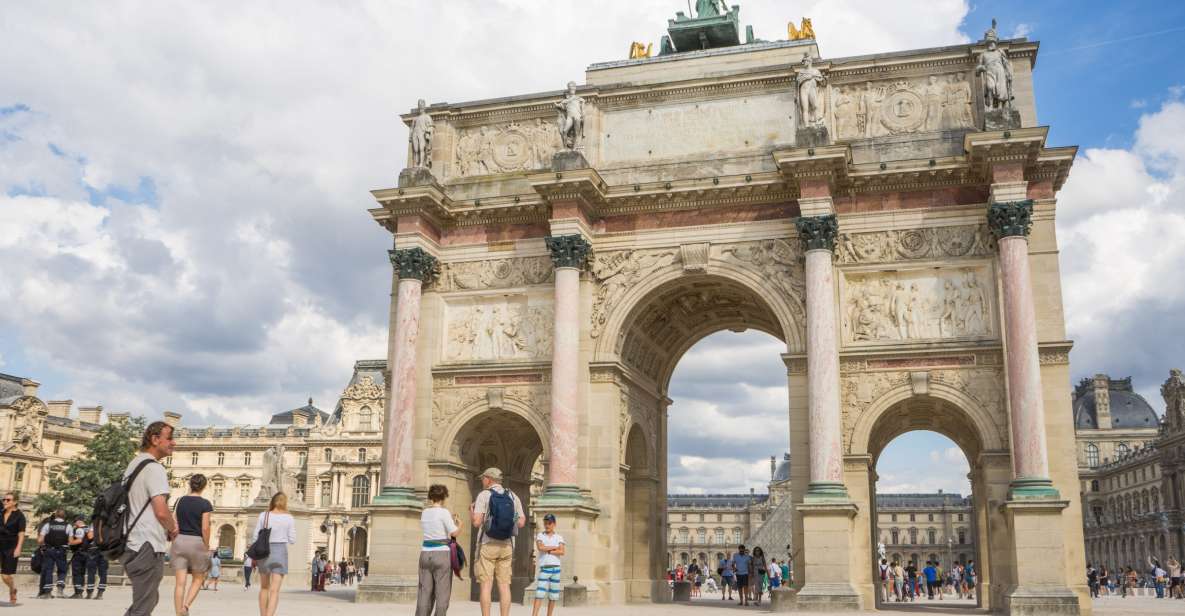
This tour is designed for people who want a fast but meaningful mental map of central Paris. In about two hours, you cover the kinds of places you’ll hear about on every Paris itinerary: the grand sweep around the Opéra area, the formal squares, the Tuileries stretch, the Louvre neighborhood, and then the river approach to Île de la Cité.
What makes it useful is the “context per step” approach. You’re not just getting names and dates. You’re getting the behind-the-scenes stories that explain why these spots look the way they do and why they mattered. That’s the difference between collecting photos and actually understanding where you are.
And because it’s on foot, the experience is naturally flexible. You’ll have small pauses at the right moments for photos, and you can ask questions in real time as you pass from one era to another.
Meeting at 7 Rue Meyerbeer and Finding Your Guide
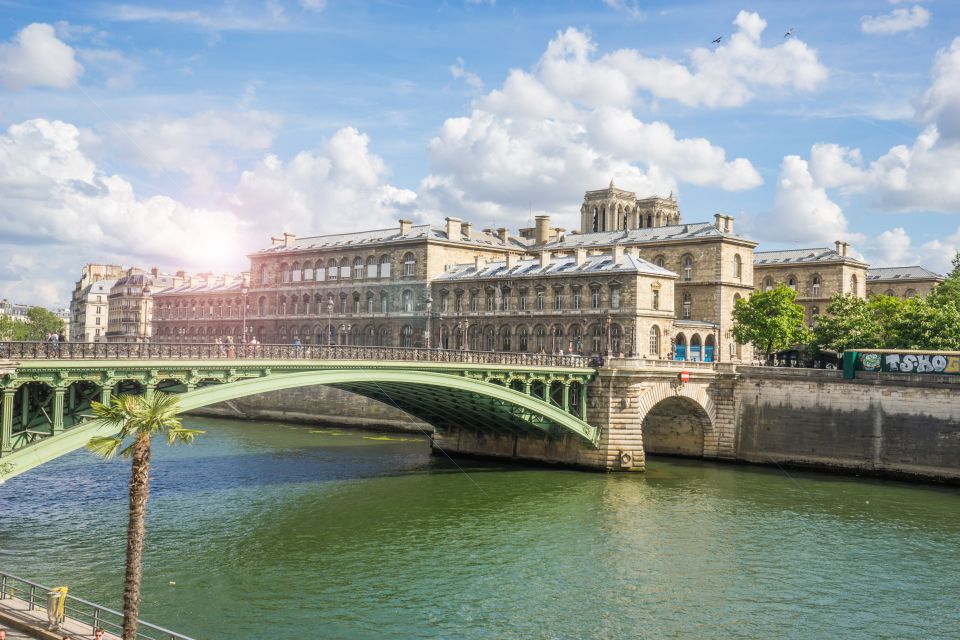
The start is practical and easy to locate if you come prepared. Meet your guide in front of the Cadillac store at 7 Rue Meyerbeer, 75009 Paris. Look for a guide carrying a HelpTourists bag and wearing a pink baseball cap.
For a smooth start, I’d plan to arrive a few minutes early. Central Paris foot traffic can shift quickly, and you don’t want to be rushing at the exact meeting moment. Wear comfortable shoes too—this is a walking tour, and the stops are timed to keep the flow.
Also note the language: the live tour guide is German. If you’re a German speaker (or learning), this is a strong way to practice while still getting real history and street-level guidance.
Palais Garnier: A Photo Stop With Real Show-Biz Stories
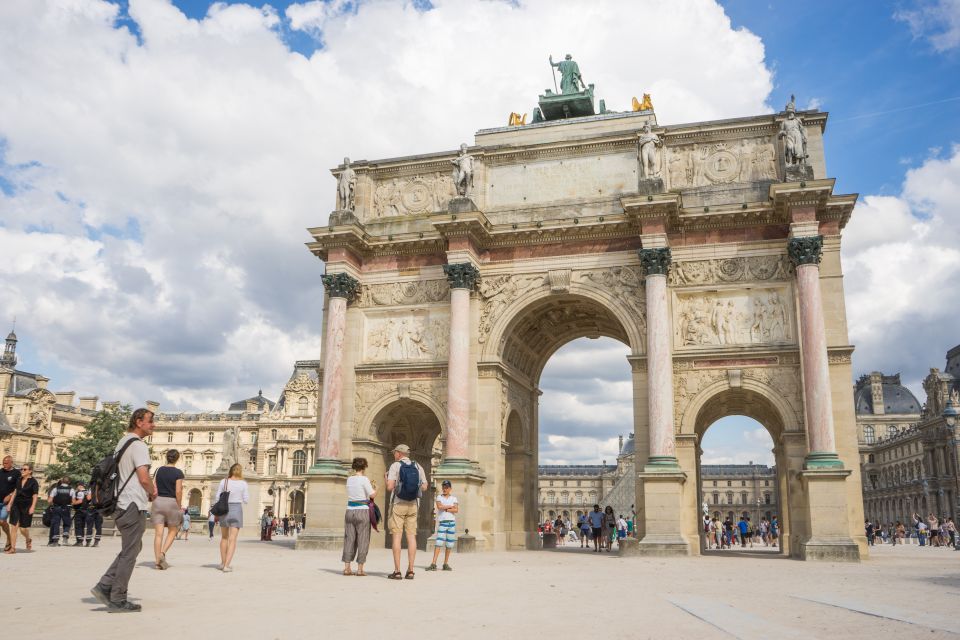
Your first major landmark stop is Palais Garnier (Opéra Garnier). It’s a great early target because it instantly signals you’re in the “big Paris” zone—ornate architecture, dramatic setting, and the kind of place that makes even a quick look feel cinematic.
During the walk, you’ll hear a story tied to the opera world, including why women were once not allowed to sit in certain opera seats. That kind of detail changes how you view the building. Instead of seeing it as just pretty, you start noticing how social rules shaped the space.
This is also where you can reset your expectations for the tour. It’s not only about monuments; it’s about how people lived, watched, and controlled access to power—whether that power was political, cultural, or both.
Place Vendôme: Elegance, Power, and a Short Photo Moment
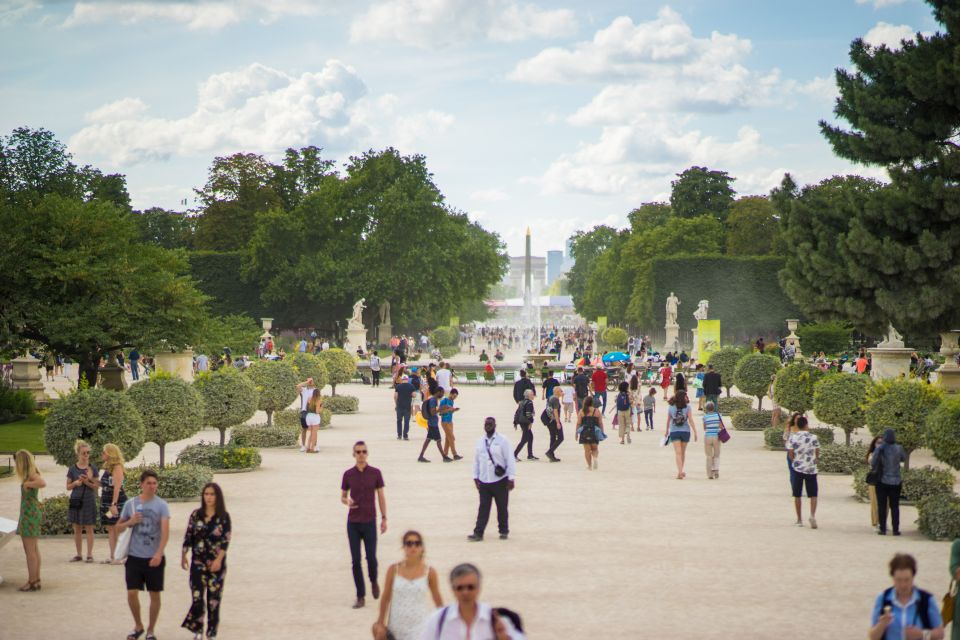
Next comes Place Vendôme, another iconic square, but in a slightly different mood. This stop is typically a photo moment plus guided storytelling—enough time to frame the architecture and absorb the vibe without turning it into a long detour.
Place Vendôme matters because it’s one of those addresses where history loves to repeat itself: the same kind of grandeur you see today has often been used to signal status. Your guide’s job here is to connect that atmosphere to the people and events behind it, so you understand why this square looks like a symbol rather than just a landmark.
If you’re the type who hates feeling rushed through squares, this part can actually feel like a nice balance—brief, focused, and then you move on to the next shift in the city’s story.
Place de la Concorde: Where the French Revolution Got Dramatic
Then you reach Place de la Concorde, and this is where the emotional temperature of Paris history rises. Your guide will explain how the square became one of the most dramatic locations of the French Revolution.
What I like about hearing Revolution stories in the actual place is simple: the setting starts to make sense. You stop viewing it as an abstract historical chapter and start seeing it as a stage—something built for public attention, public power, and public spectacle.
In practice, the stop is still brief. It’s a photo stop and sightseeing segment, but it’s the kind of brief you’ll remember, because you’re learning the logic behind the famous name. Even if you don’t plan to spend hours in this area later, you’ll carry the story with you as you walk.
Tuileries Garden: A Gentle Walk With Big Views
From the squares, the pace becomes more pleasant as you enter the Tuileries Garden. This is the part of the tour that feels like a palate cleanser—green space right in the center, with enough quiet to slow your steps for a moment.
You’ll get beautiful views toward the Champs-Élysées area, and your guide will use the setting to connect the city’s “show places” together. In Paris, many landmarks don’t work alone. They work as a system: palace and garden, formal axis and political centers, museum district and the river.
Tuileries is also a good moment to take stock. If you’re new to Paris, this is where you start realizing the walk is building a straight line through the city’s most photographed geometry. If you’re returning, it’s a chance to re-interpret familiar scenery with fresh context.
Louvre Area: The Pyramid Controversy and Why It Still Matters
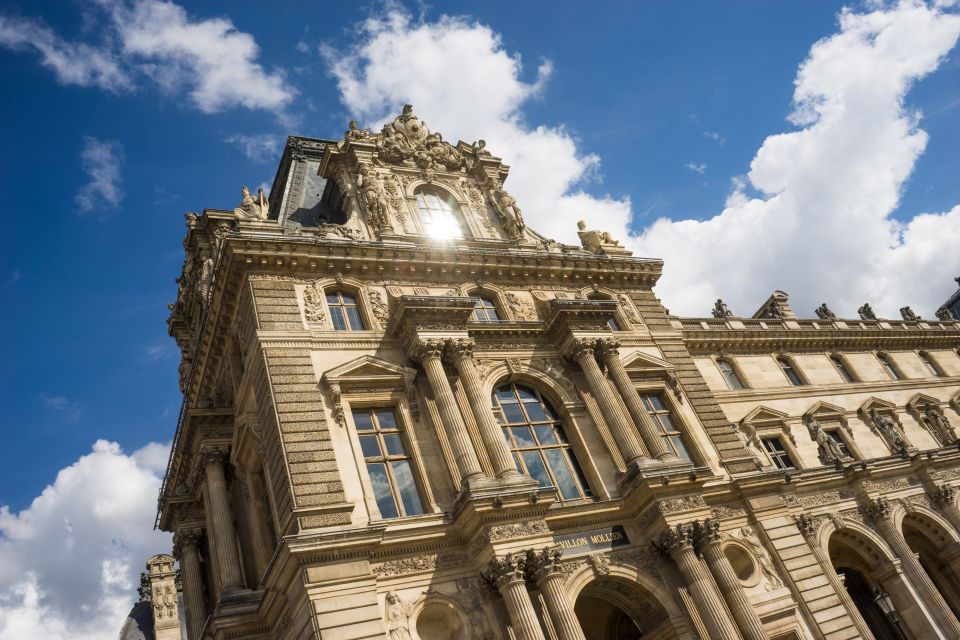
Next you’ll reach the Louvre Museum area for a photo stop and sightseeing walk. Even if you’re not going inside, the Louvre stop is worth it because the city itself is part of the lesson.
A story you’ll hear involves the Louvre Pyramid and why it caused controversy when it was first built. That’s a reminder that Paris isn’t only ancient and traditional. It keeps negotiating between old prestige and modern design—often noisily at the start.
When you hear this kind of detail on-site, the pyramid stops being just a famous shape. It becomes an example of how public space and public taste get contested. For me, that’s the kind of historical context that makes a quick stop feel like more than a snapshot.
Pont Neuf and the Seine: Oldest Bridge, New Perspectives
As you move toward the river, the tour spotlights Pont Neuf. Here you’ll get a great fact correction: Pont Neuf (New Bridge) is actually the oldest bridge in Paris. The name sounds like a clue from the future, but it’s the kind of Paris irony that shows how labels and eras don’t always match.
This is also where the walking starts to feel more cinematic. The Seine’s presence changes the way the city reads. You’re not just surrounded by buildings—you’re looking at a corridor that has shaped travel, commerce, and daily life for centuries.
Your guide also helps you understand how the Seine riverbanks fit into the bigger historic picture. Even if you don’t stop for a long river moment, you’ll end the tour with a stronger sense of how the city’s heart works.
Île de la Cité and Notre-Dame After the 2024 Reopening
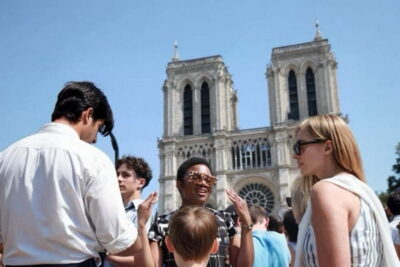
The tour finishes at Île de la Cité, with Notre-Dame as a major highlight along the way. You’ll admire Notre-Dame after its 2024 reopening from the surrounding area, as part of this central walk.
This ending location is perfect for context. Île de la Cité is one of those places where Paris history isn’t hidden in museums—it’s sitting in your line of sight. Notre-Dame is the final emotional anchor of the route, tying together the themes you’ve heard earlier: power, faith, public life, and dramatic turning points.
This ending also sets you up well for a follow-on visit. If Notre-Dame or the nearby island streets spark your curiosity, you’re already positioned in the right zone to continue at your own pace.
The German Guide Factor: How Stories Get Answered
A big part of why this tour feels good is the guide interaction. In the past, the experience has included guides like Marilena and Lasse, both praised for being friendly, competent, and quick to answer questions.
Here’s why that matters: in a 2-hour tour, you don’t have time to chase details later. If you want to know which museums are actually worth your limited time, or where to eat without wasting effort, you need someone who can point you toward real options.
Your guide also provides insider recommendations for restaurants, museums, and local spots. I treat this like a starter pack: take note of two or three ideas, then decide later based on your energy and where you are when hunger hits.
Price and Value: Is $35 Worth a 2-Hour Walk?
At $35 per person for a 2-hour guided walking experience, the value comes down to what you want from Paris.
If you’re a first-timer, $35 can be a smart investment because you get orientation plus context in a short window. Instead of spending your first days trying to figure out what’s where and why it matters, you can build a framework right away.
If you’re a returning visitor, it’s still worth considering because guided storytelling can change how you look at familiar landmarks. Hearing why the Louvre pyramid sparked controversy, or why a bridge’s name doesn’t match its age, can flip the experience from “I’ve seen this” into “I get it now.”
Keep one limitation in mind: entry fees and tips are not included. So if your goal is museum interiors and major indoor time, treat this tour as the history-and-orientation layer, not the full sightseeing day.
Who This Tour Suits Best
This tour is a strong match if you:
- Prefer walking and want to understand central Paris by moving through it
- Speak German and want a guided experience without language friction
- Want a first-time orientation route with a clear storyline
- Enjoy history when it’s connected to the street, not only to a screen
It also works well if you’re traveling with limited time. Two hours is short enough to fit into a busy schedule, yet long enough that your guide can explain multiple eras and themes rather than only listing landmarks.
Should You Book This German-Language Central Paris Tour?
Book it if you want a focused, high-context walk through central Paris landmarks—especially if you like getting the stories behind the architecture. The combination of a clear route, photo stops, and practical insider recommendations is exactly what helps you plan the rest of your trip without guesswork.
Skip it only if you want a heavily indoor experience, long lingering time at museums, or a fully flexible pacing style. This tour is designed to move, tell you why things matter, and get you to a strong ending point at Île de la Cité.
If your ideal Paris day is part sightseeing, part understanding, with a friendly German guide who can answer questions, this one is an easy yes.
FAQ
Where does the tour start?
Meet your guide in front of the Cadillac store at 7 Rue Meyerbeer, 75009 Paris.
What language is the tour guide?
The live tour guide speaks German.
How long is the tour?
The tour lasts 2 hours.
What’s included in the price?
You get a 2-hour walking tour. Entry fees and tips are not included.
What are the main stops?
You’ll see Palais Garnier, Place Vendôme, Place de la Concorde, the Tuileries Garden, the Louvre Museum area, Pont Neuf, and finish at Île de la Cité.
Are museum or cathedral tickets included?
No. Entry fees are not included, so you would need tickets separately if you want to go inside.
Where do I finish the tour?
The tour finishes at Île de la Cité.
Is it refundable if my plans change?
Yes. Free cancellation is available up to 24 hours in advance for a full refund.